Thanksgiving Turkey
There’s something truly magical about gathering around the table on Thanksgiving, and at the heart of that magic is the Thanksgiving Turkey. I remember the first time I attempted to cook a turkey; the aroma of the herbs and butter filled the kitchen, creating a cozy atmosphere that welcomed everyone in. My family and I would share stories and laughter while the turkey roasted to perfection. It’s a tradition that brings us closer together, and the anticipation of that golden-brown bird is something I look forward to every year. The Thanksgiving Turkey isn’t just a dish; it’s a symbol of gratitude, love, and togetherness. Whether you’re a seasoned pro or a first-timer, this recipe will guide you to create a moist, flavorful turkey that will impress your guests and warm your hearts.
Recipe Snapshot
4 hr 30 mins
30 mins
240 mins
Hard
250 kcal
30 g
Keto, Gluten-Free
15 g
Oven, Peeler, Baking Sheet, Mixing Bowl, Chef’s Knife, Frying Pan
Why You Need This Thanksgiving Turkey
It’s a Family Tradition
Every family has its own way of preparing the Thanksgiving Turkey, often passed down through generations. My grandmother had her unique twist, and I’ve tried to capture that essence while adding my flair. Making this turkey isn’t just about the food; it’s about honoring those who came before us while creating new memories with loved ones.
Perfectly Crispy Skin
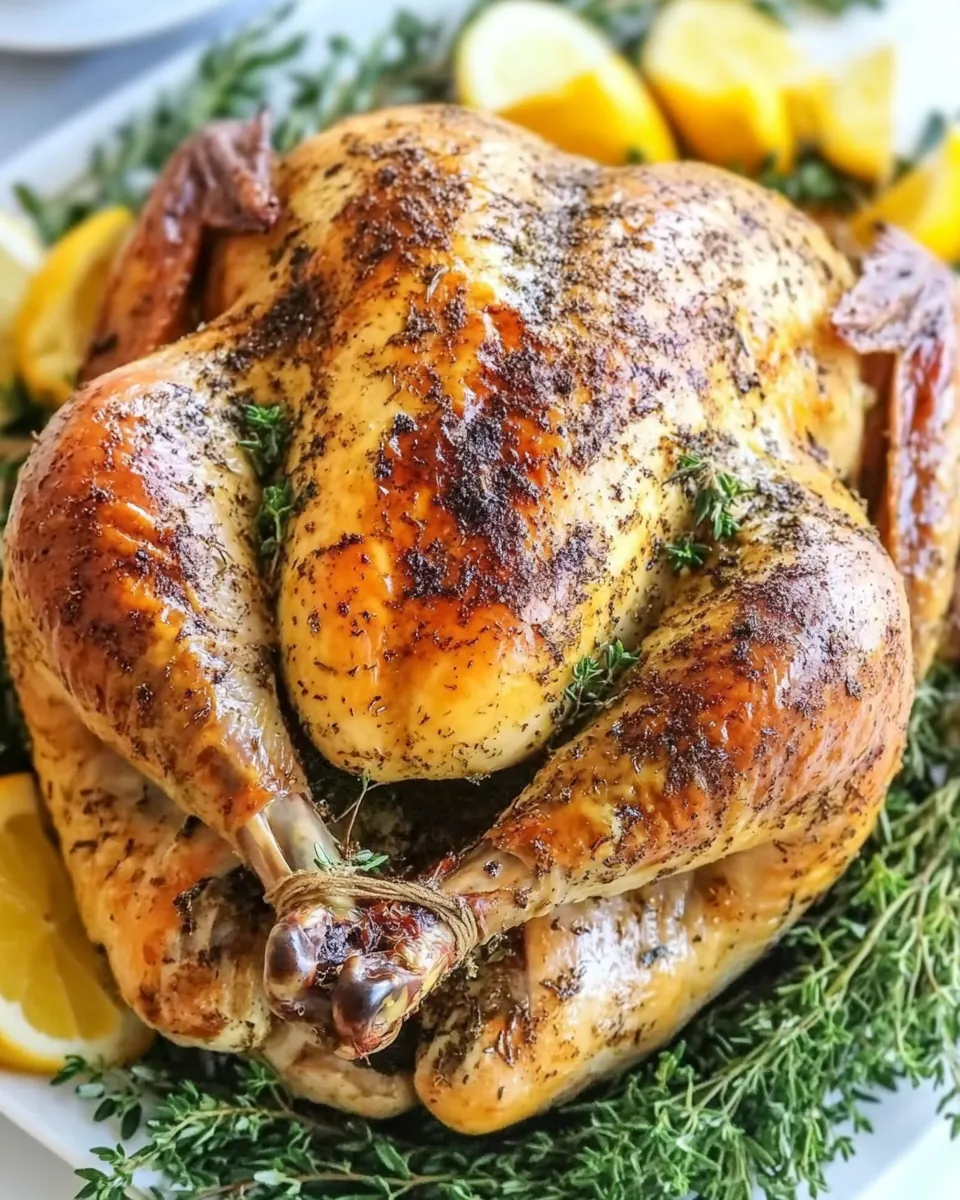
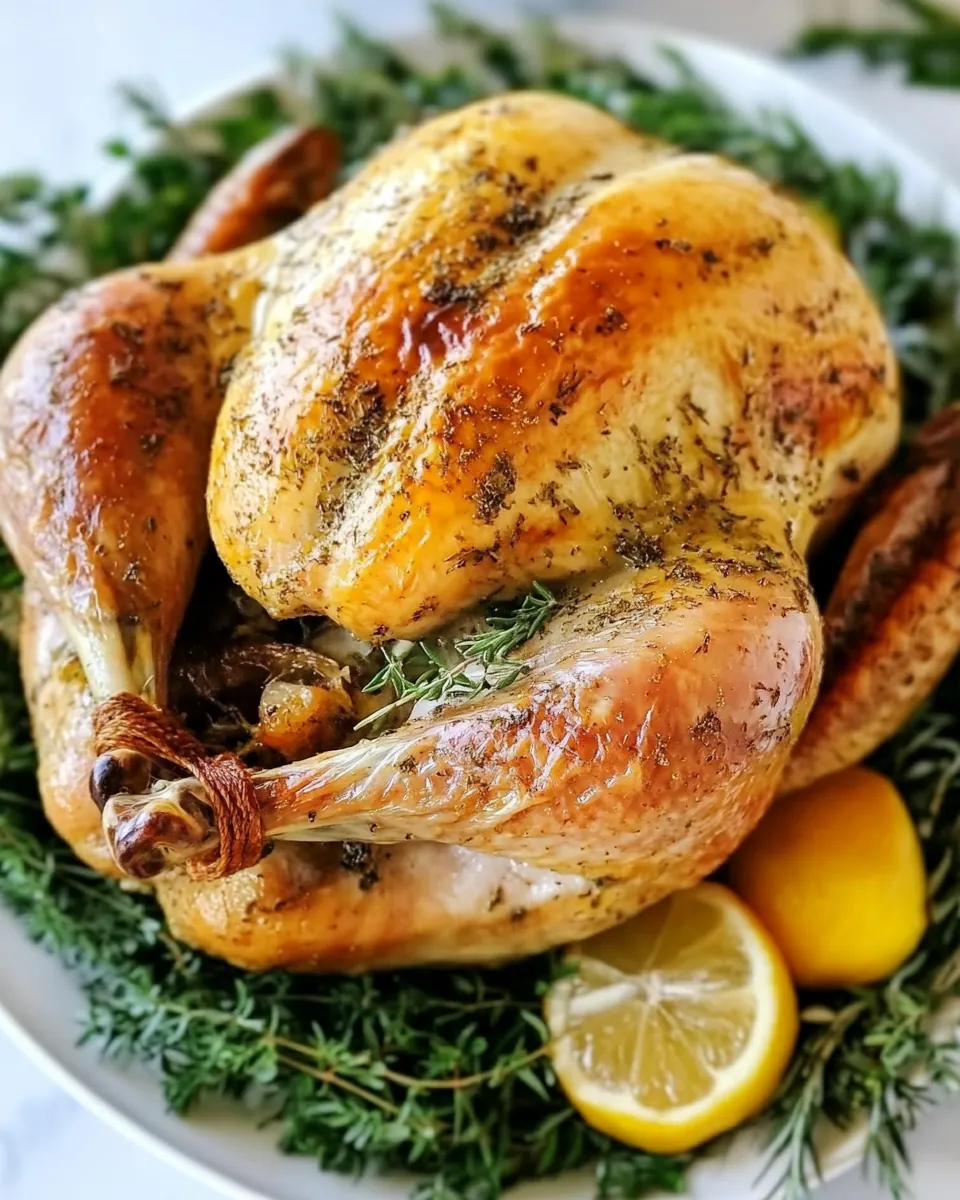
Who doesn’t love that crispy, golden skin? The secret lies in the herb butter rub. By applying it under the skin and on top, you achieve that delicious texture that everyone craves. It’s the first bite that truly sets the tone for the meal.
Flavorful Herb Butter
The combination of fresh herbs like parsley, sage, rosemary, and thyme not only elevates the flavor but also fills your kitchen with an irresistible aroma. Making your own herb butter is simple and brings out the natural flavors of the turkey, making it a standout dish.
Generous Portions
With a turkey weighing between 12 to 20 lbs, there’s more than enough to go around. There’s something satisfying about the leftovers too. From sandwiches to soups, a turkey can provide meals long after the holiday is over.
Cooking with Love
Cooking a turkey requires patience and care, and I believe that the effort you put in translates to the flavor. Allowing the turkey to sit at room temperature before cooking helps in even cooking, ensuring everyone gets juicy, tender meat.
A Centerpiece for Gatherings
The Thanksgiving Turkey serves as a focal point for the Thanksgiving table, sparking conversations and creating joyful memories. It’s more than just a meal; it’s a celebration of gratitude. Every slice is filled with stories, laughter, and love shared among family and friends.
Essential Ingredients for Thanksgiving Turkey
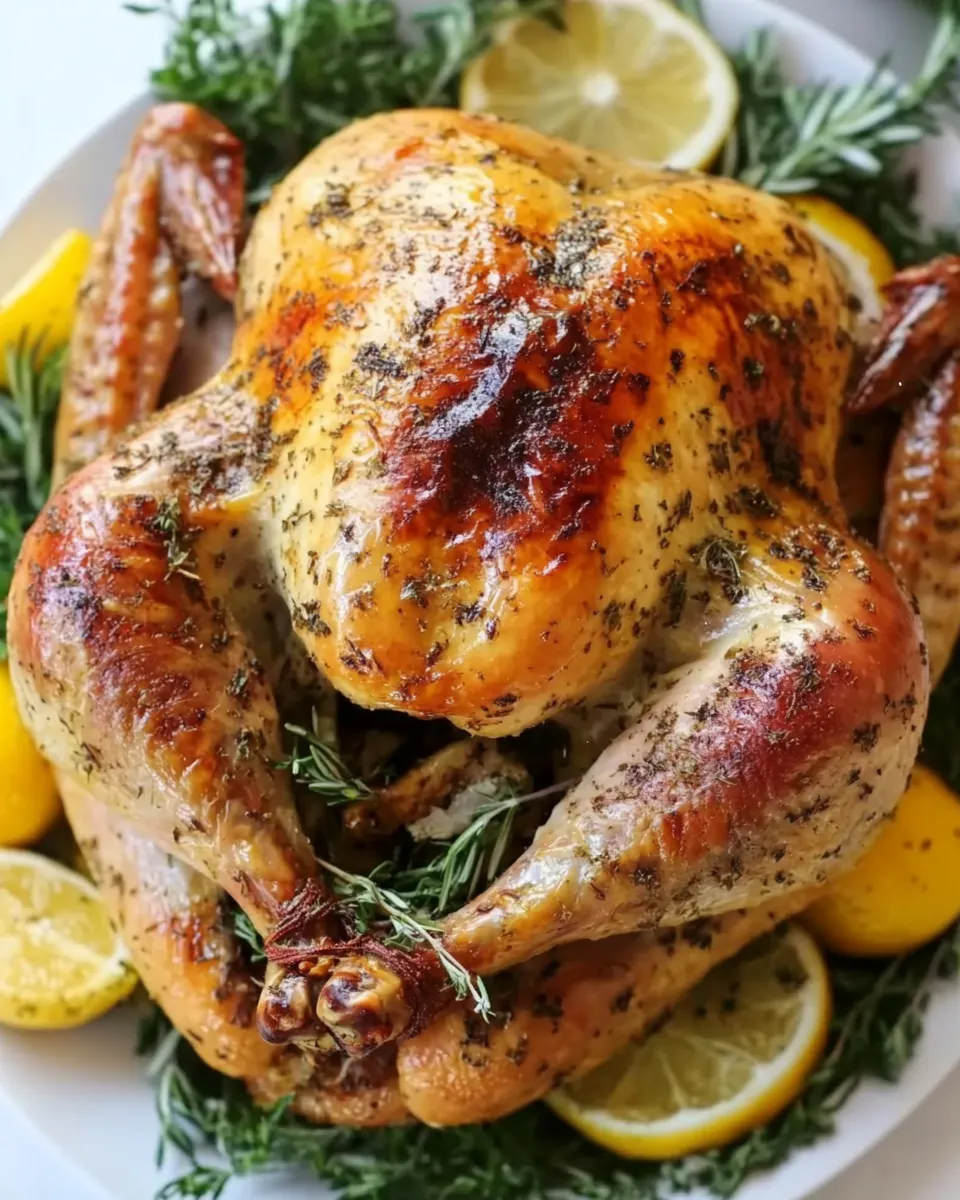
When it comes to the Thanksgiving Turkey, the ingredients you choose are essential. Each one plays a role in creating a delicious meal that everyone will love. The key players include the turkey itself, of course, but also a rich herb butter that infuses moisture and flavor. Fresh herbs add brightness and depth, while aromatics like garlic and onion enhance the overall taste. Together, these ingredients create a symphony of flavors that will impress your guests.
- 1 (12-20) lb turkey (if smaller you can use half the herb butter recipe)
- ½ cup unsalted butter, room temperature
- 2 tablespoons olive oil
- 2 tablespoons lemon juice
- ¼ cup finely chopped fresh herbs (1 tablespoon each of parsley, sage, rosemary, and thyme)
- 6 cloves garlic, minced
- 1 teaspoon salt
- ½ teaspoon ground pepper
- 1 lemon, quartered
- 1 yellow onion, peeled and quartered
- 4 cloves garlic, halved
- leftover herbs (parsley, sage, rosemary, thyme)
The Process for Making Thanksgiving Turkey
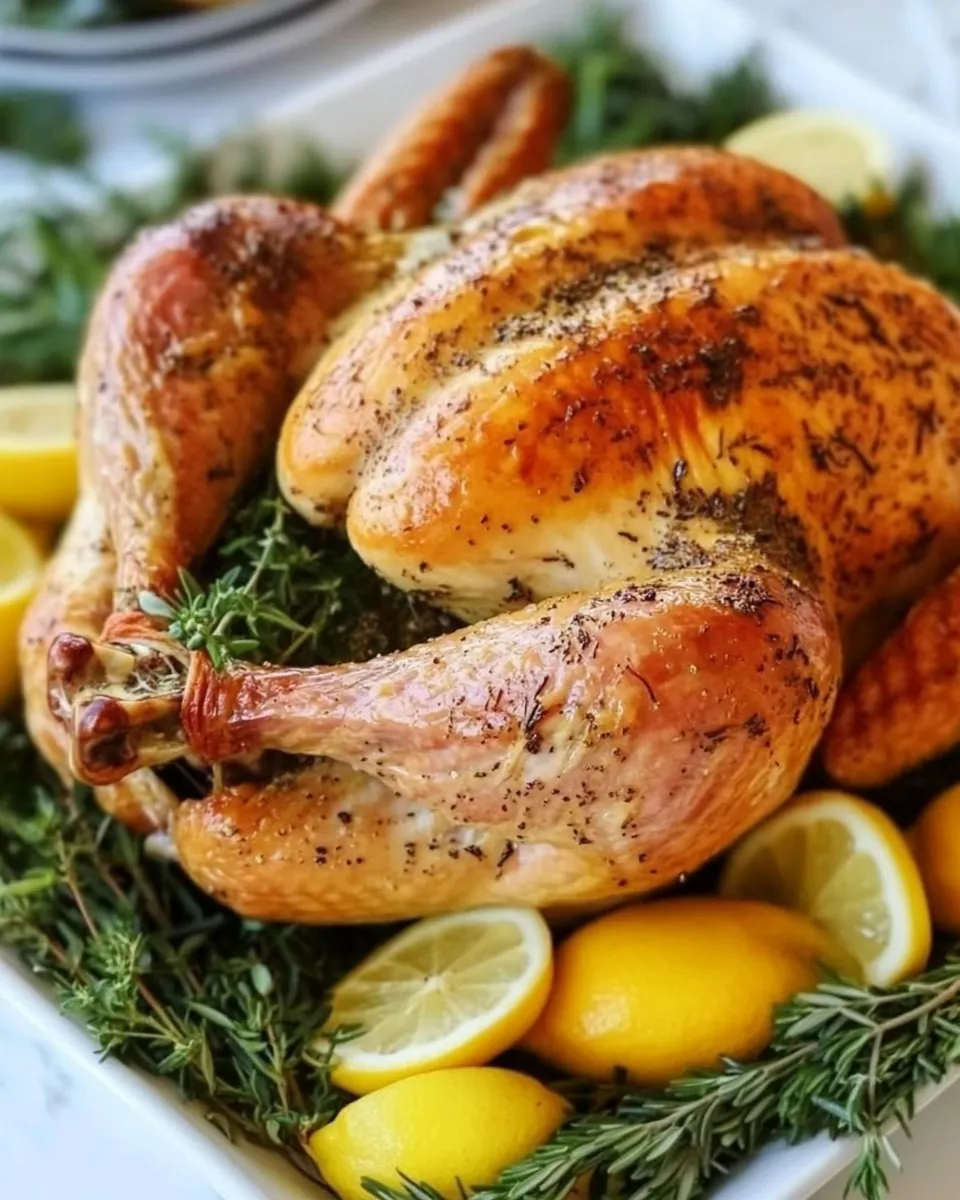
Cooking a turkey can seem daunting, but with a little guidance, it’s a rewarding experience. Follow these steps to achieve a beautiful, perfectly roasted Thanksgiving Turkey. From thawing to the final basting, each step is crucial in ensuring your turkey is tender and flavorful. Let’s get started!
- Start by thawing your turkey. For every 5 lbs of turkey, allow one day of thawing in the fridge. Make sure to place it on a pan with sides to catch any liquid that may escape. This is an important step to ensure your turkey is safely thawed.
- Once thawed, remove the giblets and neck from both cavities of the turkey. Drain any liquid and give the turkey a good rinse under cold water. Pat it dry thoroughly with paper towels; this helps achieve that crispy skin later.
- Next, place the rack of your roasting pan in place. If you’re using a disposable pan, you might want to stack some vegetables like celery or onion at the bottom for added flavor and to keep the turkey elevated.
- Generously sprinkle salt and pepper on the outside and inside of the turkey. This simple seasoning is key to enhancing the natural flavors.
- Now, let’s make the herb butter. In a mixing bowl, combine the unsalted butter, olive oil, lemon juice, and the finely chopped herbs (parsley, sage, rosemary, thyme), along with minced garlic, salt, and pepper. Stir until well combined.
- Carefully separate the skin from the breast area of the turkey and rub about 1/4 of the herb butter under the skin, making sure to reach as far as possible into the pocket. Then, rub the remaining butter all over the surface of the turkey, including the legs and wings. Tucking the wings under will help them from burning.
- Next, stuff the turkey with the yellow onion, lemon, halved garlic, and any leftover herbs. Use kitchen twine to tie the legs together securely.
- If you’re prepping the turkey a day ahead, place it in the fridge at this point. If you’ve got the time, allow the turkey to sit at room temperature for about an hour before cooking. This helps in achieving even cooking.
- Preheat your oven to 425°F (220°C). Make sure to adjust the oven rack so that the turkey can sit in the center. This is crucial for even cooking.
- Start by roasting the turkey at 425°F for 30 minutes to achieve a beautifully crispy skin. If you want it browner, feel free to add some extra time.
- Reduce the oven temperature to 350°F (175°C) and cover the turkey with a foil tent. This tent will help avoid over-browning. Roast for about 13 minutes per pound until the thickest part of the thigh reads 165°F (74°C) with a meat thermometer, basting periodically with the pan juices. This is essential to keep the meat moist.
- Once cooked, remove the turkey from the oven and let it rest, covered loosely with foil, for about an hour. This resting period allows the juices to redistribute, resulting in a more flavorful and juicy turkey when sliced.
Things Worth Knowing
- Thawing Time: Ensure the turkey is completely thawed before cooking. This usually takes about one day of thawing for every 5 lbs in the fridge.
- Resting Time: Let the turkey rest after cooking for at least one hour. This will keep it juicy and flavorful.
- Using a Meat Thermometer: Invest in a good meat thermometer to check the internal temperature, ensuring the turkey is fully cooked without being overdone.
- Foil Tent: A foil tent helps prevent the turkey from browning too much while it cooks. Remove it in the last half hour if you want the skin crispier.
Customization Ideas
There are countless ways to customize your Thanksgiving Turkey to make it uniquely yours. Here are some ideas to enhance your turkey experience.
- Storage: After your meal, carve the leftover turkey and store it in an airtight container in the fridge for up to four days.
- Freezing: You can freeze leftover turkey for up to three months. Just be sure to package it well to prevent freezer burn.
- Variations: Experiment with different herbs and spices in your herb butter. Rosemary and sage create a festive flavor.
- Side Dishes: Pair your turkey with a classic stuffing, mashed potatoes, or a fresh green bean casserole to complete the meal.
- Serving: Use the carved turkey as a centerpiece and serve it with a variety of sauces, like cranberry or gravy, to add different flavors.
What Complements This Thanksgiving Turkey
- Classic Stuffing: A traditional stuffing made with bread, celery, and herbs pairs perfectly with turkey.
- Cranberry Sauce: Fresh cranberry sauce adds a sweet and tart contrast to the savory turkey.
- Mashed Potatoes: Creamy mashed potatoes are a favorite side that compliments the turkey beautifully.
- Green Bean Casserole: This dish adds a lovely crunch and freshness to your Thanksgiving spread.
- Autumn Salad: A light salad with seasonal ingredients like apples, walnuts, and goat cheese balances the meal.
- Sweet Potatoes: Roasted or mashed sweet potatoes provide a sweet flavor that pairs nicely with the savory turkey.
- Gravy: No turkey meal is complete without a rich, savory gravy poured over the meat and potatoes.
FAQ
Conclusion
The Thanksgiving Turkey is more than just a dish; it’s a celebration of family, gratitude, and love. Its crispy skin and juicy meat create a centerpiece that sparks joy and conversation around the table. I encourage you to try this recipe and make your own memories this holiday season. Gather your loved ones, savor each bite, and embrace the warmth of Thanksgiving together.
Thanksgiving Turkey
Ingredients
Equipment
Method
- 1. Start by thawing your turkey. For every 5 lbs of turkey, allow one day of thawing in the fridge. Make sure to place it on a pan with sides to catch any liquid that may escape. This is an important step to ensure your turkey is safely thawed.
- 2. Once thawed, remove the giblets and neck from both cavities of the turkey. Drain any liquid and give the turkey a good rinse under cold water. Pat it dry thoroughly with paper towels; this helps achieve that crispy skin later.
- 3. Next, place the rack of your roasting pan in place. If you're using a disposable pan, you might want to stack some vegetables like celery or onion at the bottom for added flavor and to keep the turkey elevated.
- 4. Generously sprinkle salt and pepper on the outside and inside of the turkey. This simple seasoning is key to enhancing the natural flavors.
- 5. Now, let's make the herb butter. In a mixing bowl, combine the unsalted butter, olive oil, lemon juice, and the finely chopped herbs (parsley, sage, rosemary, thyme), along with minced garlic, salt, and pepper. Stir until well combined.
- 6. Carefully separate the skin from the breast area of the turkey and rub about 1/4 of the herb butter under the skin, making sure to reach as far as possible into the pocket. Then, rub the remaining butter all over the surface of the turkey, including the legs and wings. Tucking the wings under will help them from burning.
- 7. Next, stuff the turkey with the yellow onion, lemon, halved garlic, and any leftover herbs. Use kitchen twine to tie the legs together securely.
- 8. If you’re prepping the turkey a day ahead, place it in the fridge at this point. If you’ve got the time, allow the turkey to sit at room temperature for about an hour before cooking. This helps in achieving even cooking.
- 9. Preheat your oven to 425°F (220°C). Make sure to adjust the oven rack so that the turkey can sit in the center. This is crucial for even cooking.
- 10. Start by roasting the turkey at 425°F for 30 minutes to achieve a beautifully crispy skin. If you want it browner, feel free to add some extra time.
- 11. Reduce the oven temperature to 350°F (175°C) and cover the turkey with a foil tent. This tent will help avoid over-browning. Roast for about 13 minutes per pound until the thickest part of the thigh reads 165°F (74°C) with a meat thermometer, basting periodically with the pan juices. This is essential to keep the meat moist.
- 12. Once cooked, remove the turkey from the oven and let it rest, covered loosely with foil, for about an hour. This resting period allows the juices to redistribute, resulting in a more flavorful and juicy turkey when sliced.
Notes
- Storage: After your meal, carve the leftover turkey and store it in an airtight container in the fridge for up to four days.
- Freezing: You can freeze leftover turkey for up to three months. Just be sure to package it well to prevent freezer burn.
- Variations: Experiment with different herbs and spices in your herb butter. Rosemary and sage create a festive flavor.
- Side Dishes: Pair your turkey with a classic stuffing, mashed potatoes, or a fresh green bean casserole to complete the meal.
- Serving: Use the carved turkey as a centerpiece and serve it with a variety of sauces, like cranberry or gravy, to add different flavors.