Mushroom Tofu Potstickers
When I think of comfort food, Mushroom Tofu Potstickers immediately comes to mind. I remember the first time I made these delightful little dumplings in my cozy kitchen. The smell of sautéed mushrooms and fresh ginger filled the air, wrapping around me like a warm hug. Each potsticker was filled with a savory mixture of cabbage, tofu, and shiitake mushrooms, each bite bursting with so many flavors. It was more than just a meal; it was an experience of creating something delicious from scratch. Now, I often prepare these for gatherings or a comforting weeknight dinner; they never fail to impress! Whether I’m sharing them with friends or enjoying them solo, each bite brings back that first joyful memory of cooking.
Recipe Snapshot
60 mins
45 mins
15 mins
Medium
320 kcal
12 g
Keto, Paleo, Whole30
12 g
Whisk, Grater, Skillet, Mixing Bowl, Chef’s Knife, Frying Pan
Why Try This Mushroom Tofu Potstickers
Flavorful and Fun
The first thing that stands out about Mushroom Tofu Potstickers is their remarkable flavor profile. The combination of fresh ginger, garlic, and soy sauce creates a symphony of tastes that dance in your mouth. These dumplings are not just a treat for the stomach but also for the senses.
Perfect for Any Occasion
I’ve found that these potstickers are incredibly versatile. They can be served as an elegant appetizer at a dinner party or as a comforting snack on a chilly evening. No matter the occasion, they are always a hit!
Vegetarian Delight
For those who follow a vegetarian or plant-based diet, Mushroom Tofu Potstickers are a dream come true. Packed with wholesome ingredients like tofu and cabbage, they are not only nutritious but also satisfying. Even meat-lovers can appreciate their deliciousness!
Fun to Make
Making potstickers is a fun activity to do with family or friends. I love rolling out the dumpling wrappers and filling them with the delectable mixture. It’s a bonding experience that comes with laughter and shared memories.
Freezable Goodness
One of the best parts about Mushroom Tofu Potstickers is that they freeze beautifully. You can make a large batch ahead of time and keep them on hand for a quick meal. Just pull them out from the freezer, and they’re ready to cook whenever cravings strike!
Main Ingredients for Mushroom Tofu Potstickers
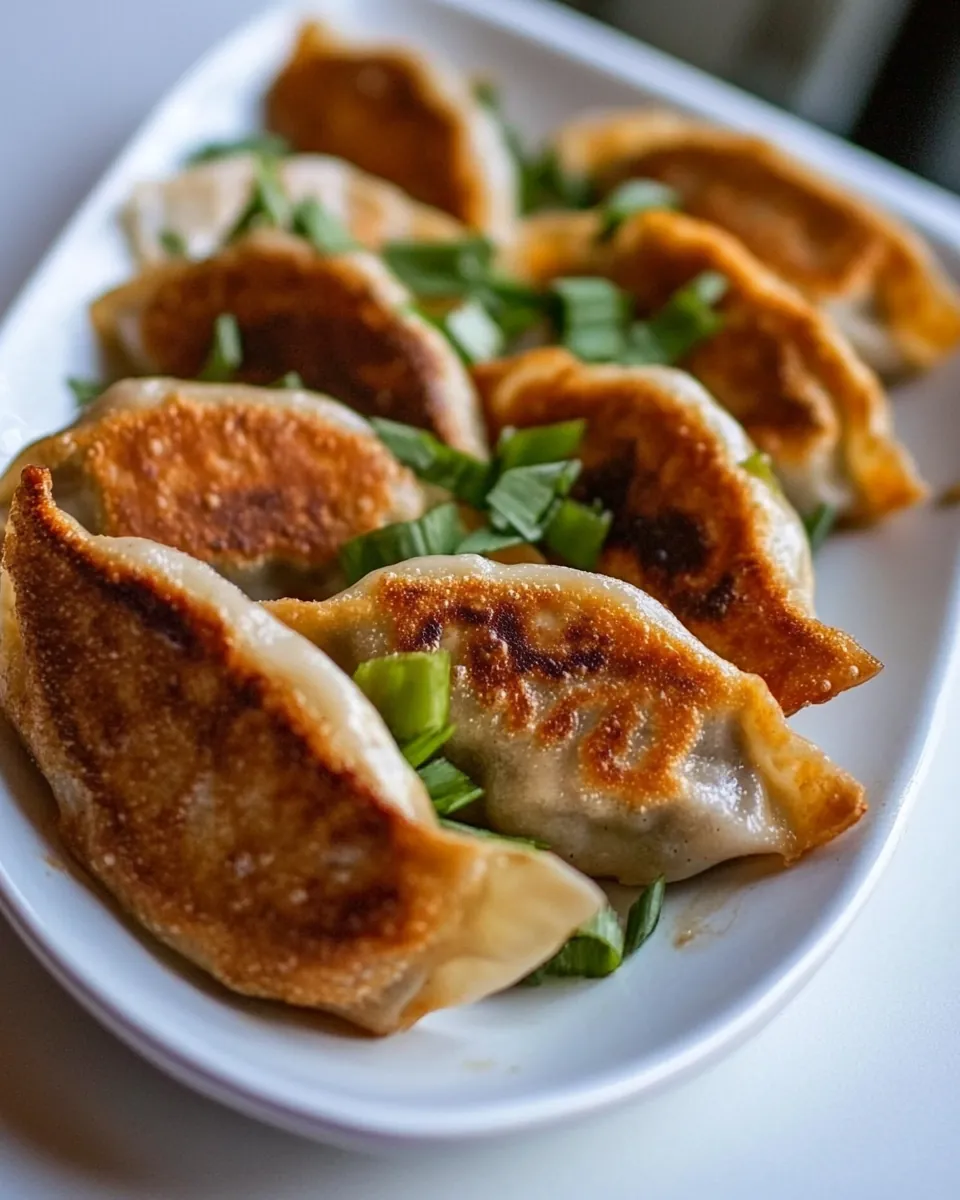
The ingredients for Mushroom Tofu Potstickers come together to create a delightful harmony of textures and flavors. Each ingredient plays its own important role in achieving the perfect bite. The shiitake mushrooms provide earthiness, while the tofu adds a creamy texture. Together with the cabbage and herbs, they create a filling that is simply irresistible.
- Cabbage: 3 cups, shredded on large holes of box grater. Adds crunch and moisture to the filling.
- Tofu: 8 ounces (any firmness), crumbled. Provides protein and a creamy texture that pairs well with other ingredients.
- Fresh shiitake mushrooms: 4 ounces, stems removed, chopped. Introduces a deep, umami flavor.
- Garlic: 2 cloves, finely minced. Adds aromatic richness that enhances overall flavor.
- Fresh ginger: 2 teaspoons, grated. Imparts a warm spiciness that elevates the dish.
- Fresh basil: 1 tablespoon, finely chopped. Contributes a fresh, herbal note.
- Soy sauce: 2 tablespoons. A key ingredient that brings all the flavors together.
- Dumpling wrappers: 1 package of 50. Essential for wrapping the filling.
- Cornstarch: 1 teaspoon + 1/4 cup cool water. Used to make a slurry that helps seal the dumplings.
- Cooking oil: 3 tablespoons, or more if needed. Used for frying and adds crispiness.
How to Assemble Mushroom Tofu Potstickers
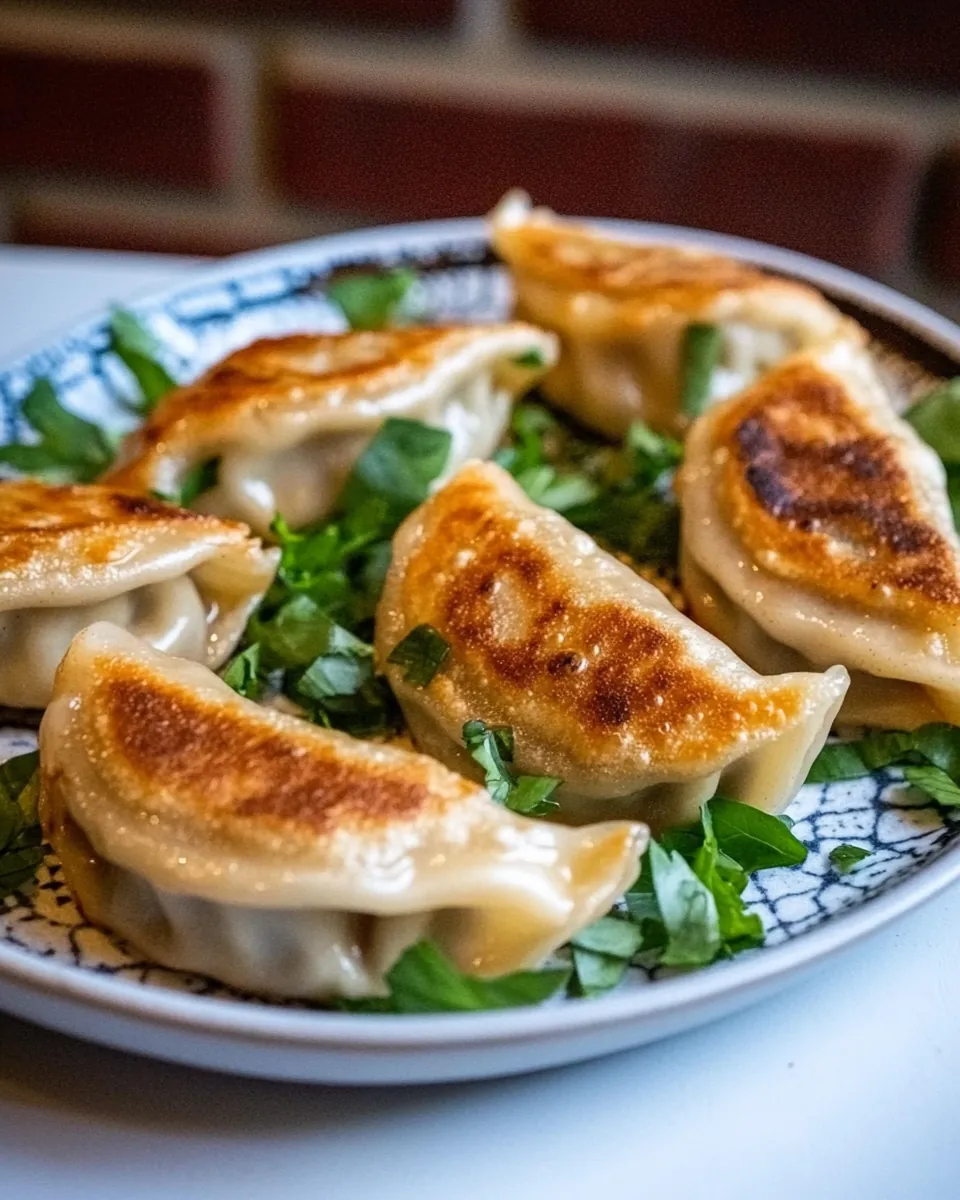
Assembling Mushroom Tofu Potstickers can be a delightful and engaging process. With the right steps, you’ll create beautiful dumplings that are sure to impress. Here’s how to make them:
- In a large mixing bowl, combine cabbage, tofu, shiitake mushrooms, garlic, ginger, basil, and soy sauce. Mix well until everything is evenly distributed. The filling should be colorful and aromatic.
- Prepare the cornstarch slurry: in a small bowl, whisk together cornstarch and water. This will be used to seal the dumplings, so make sure it’s well combined and smooth.
- To wrap the potstickers, take a dumpling wrapper and place it flat in your hand. Scoop 1 heaping teaspoon of the filling mixture into the center of the wrapper.
- With a finger, dip into the cornstarch slurry and paint it along the edge of the wrapper. This will act as glue to keep the filling secure.
- Fold the wrapper over to form a half-moon shape. Pinch the edges firmly to seal the dumpling completely, ensuring no filling escapes.
- Repeat the process until all the filling is used up. Lay the filled potstickers in a single layer on a baking sheet and cover with plastic wrap to prevent drying.
- When you’re ready to cook, heat 1 tablespoon of oil in a non-stick skillet over medium-high heat. Once hot, add the potstickers in a single layer. Cook until they are browned on the bottom, about 2 minutes.
- Flip the potstickers and brown the other side evenly. This step is important for achieving that golden, crispy exterior.
- To steam the potstickers, add 2 tablespoons of water to the pan and cover immediately. The steam will help cook the filling through, about 3 to 4 minutes.
- Uncover the skillet after the steaming process. You should see most of the water has evaporated. Remove the potstickers and wipe the pan dry before repeating with the remaining batches.
Things Worth Knowing
- Ingredient Quality: Using fresh ingredients like shiitake mushrooms and ginger will significantly enhance the flavor of your potstickers.
- Wrappers: If you’re short on time, store-bought dumpling wrappers save you from the hassle of making them from scratch.
- Pan Temperature: Ensure the skillet is hot enough before adding the potstickers to achieve that perfect golden crust.
- Batch Cooking: Fry in batches if necessary to prevent overcrowding the pan, which can cause steaming instead of crisping.
Helpful Hints
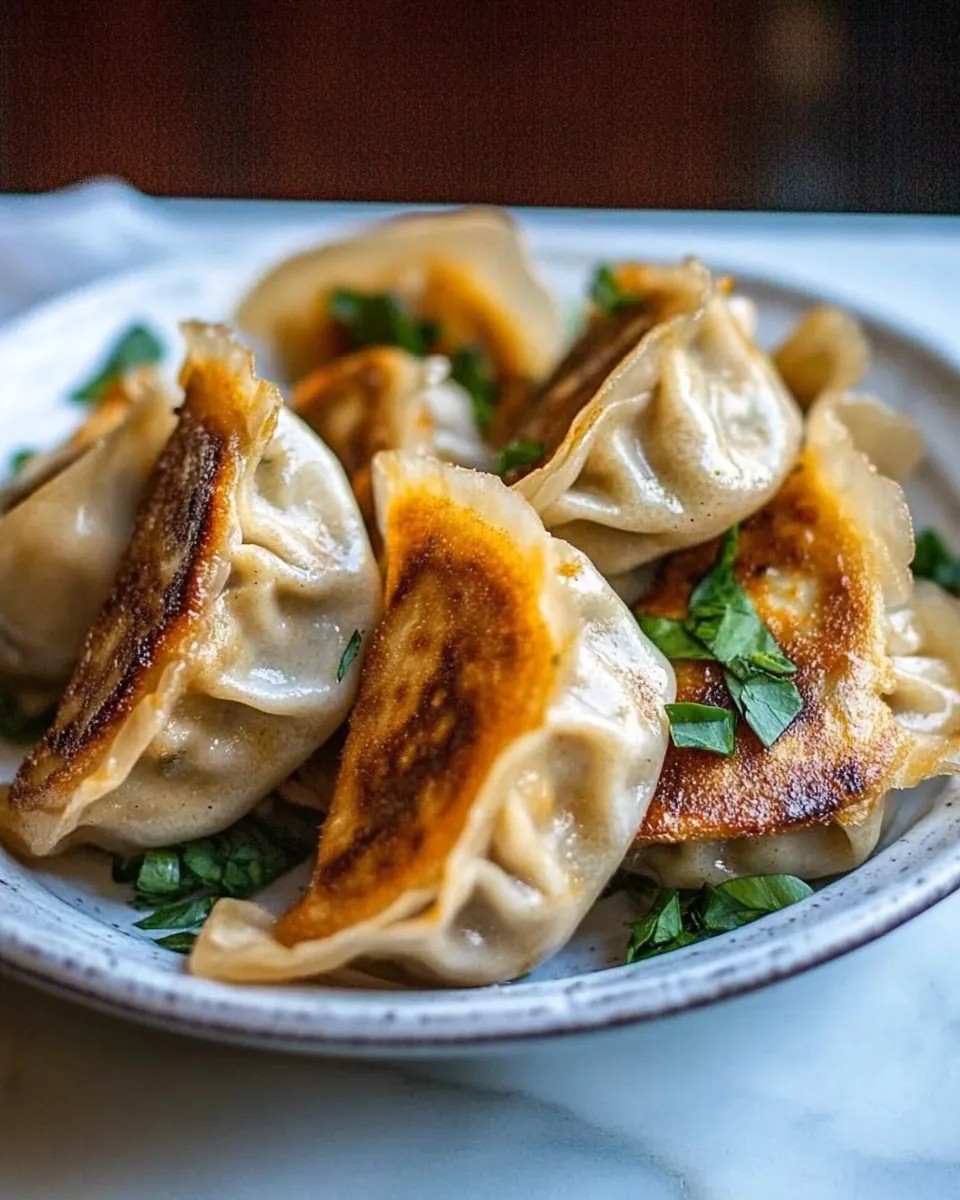
Cooking Mushroom Tofu Potstickers can be an enjoyable experience, but having a few handy tips makes it even easier. Here are some to keep in mind:
- Storage: Store leftover potstickers in an airtight container in the refrigerator for up to three days.
- Freezing: You can freeze uncooked potstickers. Arrange them on a baking sheet in a single layer until firm, then transfer to a zip-top bag for up to three months.
- Pairing: Serve potstickers with a dipping sauce made from soy sauce and a touch of sesame oil for added flavor.
- Batch Cooking: Make extra potstickers to have on hand for quick snacks or meals. They reheat well in a skillet.
- Cooking Techniques: Experiment with different cooking methods like steaming or air frying for varied textures.
Accompaniments for Mushroom Tofu Potstickers
When it comes to serving Mushroom Tofu Potstickers, there are endless possibilities to elevate your meal. Here are some great accompaniments:
- Side Salad: Pair your potstickers with a refreshing cucumber salad dressed in rice vinegar for a light and crisp contrast.
- Soup: A warm miso soup can complement the flavors of the potstickers beautifully, creating a satisfying dining experience.
- Steamed Vegetables: Consider serving with a side of steamed broccoli or snap peas, drizzled with a bit of soy sauce for extra flavor.
- Dipping Sauces: Create a dipping station with various sauces like sweet chili sauce or homemade soy-sesame blend for a fun twist.
- Rice: Serve with a small bowl of jasmine rice or fried rice to round out the meal.
- Occasions: These potstickers are perfect for casual gatherings, festive dinners, or even for meal-prepping for the week.
FAQ
Conclusion
In conclusion, Mushroom Tofu Potstickers offer a delightful blend of flavors and textures that are sure to satisfy any craving. They are not only fun to make but also versatile enough for any occasion. I encourage you to try making these potstickers; whether you’re feeding a crowd or enjoying a quiet evening, they never disappoint. Happy cooking!
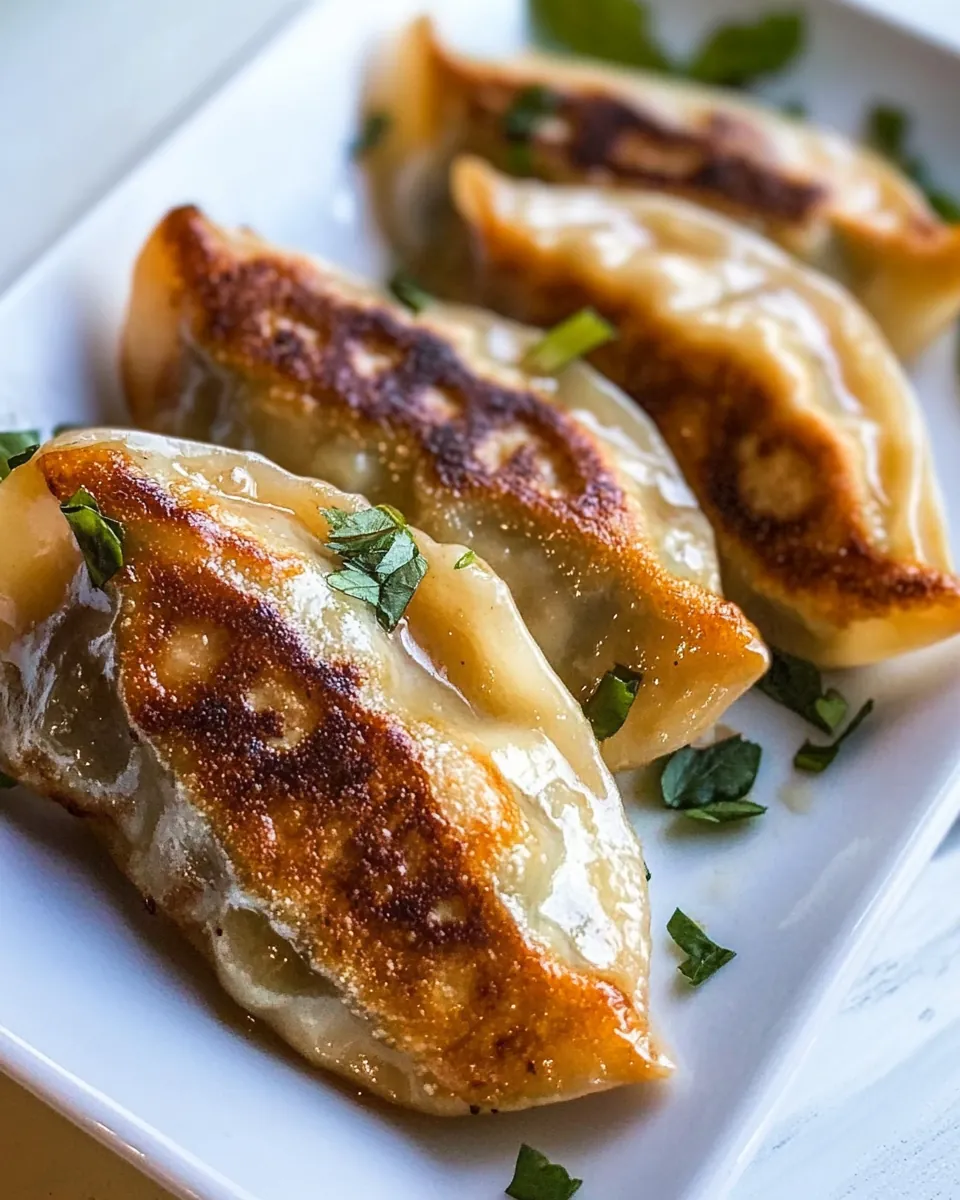
Mushroom Tofu Potstickers
Ingredients
Equipment
Method
- In a large mixing bowl, combine Cabbage, Tofu, Fresh shiitake mushrooms, Garlic, Fresh ginger, Fresh basil, and Soy sauce. Mix well until everything is evenly distributed. The filling should be colorful and aromatic.
- Prepare the cornstarch slurry: in a small bowl, whisk together Cornstarch and water. This will be used to seal the dumplings, so make sure it's well combined and smooth.
- To wrap the potstickers, take a Dumpling wrapper and place it flat in your hand. Scoop 1 heaping teaspoon of the filling mixture into the center of the wrapper.
- With a finger, dip into the cornstarch slurry and paint it along the edge of the wrapper. This will act as glue to keep the filling secure.
- Fold the wrapper over to form a half-moon shape. Pinch the edges firmly to seal the dumpling completely, ensuring no filling escapes.
- Repeat the process until all the filling is used up. Lay the filled potstickers in a single layer on a baking sheet and cover with plastic wrap to prevent drying.
- When you’re ready to cook, heat 1 tablespoon of Cooking oil in a non-stick skillet over medium-high heat. Once hot, add the potstickers in a single layer. Cook until they are browned on the bottom, about 2 minutes.
- Flip the potstickers and brown the other side evenly. This step is important for achieving that golden, crispy exterior.
- To steam the potstickers, add 2 tablespoons of water to the pan and cover immediately. The steam will help cook the filling through, about 3 to 4 minutes.
- Uncover the skillet after the steaming process. You should see most of the water has evaporated. Remove the potstickers and wipe the pan dry before repeating with the remaining batches.
Notes
- Storage: Store leftover potstickers in an airtight container in the refrigerator for up to three days.
- Freezing: You can freeze uncooked potstickers. Arrange them on a baking sheet in a single layer until firm, then transfer to a zip-top bag for up to three months.
- Pairing: Serve potstickers with a dipping sauce made from soy sauce and a touch of sesame oil for added flavor.
- Batch Cooking: Make extra potstickers to have on hand for quick snacks or meals. They reheat well in a skillet.
- Cooking Techniques: Experiment with different cooking methods like steaming or air frying for varied textures.