
Pasta Primavera
There’s something incredibly nostalgic about the vibrant colors and fresh flavors of Pasta Primavera. I remember the first time I tried it at a small Italian restaurant tucked away in a cozy corner of the city. The moment the dish was placed in front of me, it felt like spring had arrived on my plate. Bright green asparagus, sun-kissed tomatoes, and tender pasta all mingled together, each bite bursting with the taste of fresh vegetables and herbs. It was love at first bite, and I knew I had to recreate it at home!
This recipe for Pasta Primavera holds a special place in my heart because it’s not only delicious but also incredibly versatile. You can customize it based on your favorite seasonal vegetables or whatever you have on hand. Whether it’s a weeknight dinner or a gathering with friends, this dish always impresses. I often find myself making it during the spring when fresh produce is at its peak, but it’s delightful any time of year. The creamy sauce, combined with the fresh vegetables, makes for a satisfying meal that feels indulgent yet light.
Join me as we prepare this lovely dish that celebrates the best of pasta and vegetables. It’s time to gather our ingredients and enjoy the simple yet exquisite taste of Pasta Primavera!
Recipe Snapshot
40 mins
20 mins
20 mins
Medium
450 kcal
12 g
Gluten-Free
20 g
Large Pot, Skillet, Medium Bowl
What Sets This Pasta Primavera Apart
Vibrant Colors
One of the standout features of Pasta Primavera is its stunning presentation. The mix of colors from the vegetables creates a beautiful dish that is visually appealing. Each ingredient brings its own hue, from the bright orange of carrots to the deep green of broccoli. When we eat with our eyes first, this dish definitely catches attention!
Fresh Ingredients
This recipe encourages the use of fresh, seasonal produce. Using ingredients like asparagus, bell peppers, and cherry tomatoes not only enhances the flavor but also brings a nutritious boost to the meal. I love going to the farmer’s market and picking out my favorite veggies, knowing they’ll add an extra layer of flavor to my Pasta Primavera.
Easy to Customize
If you’re like me and enjoy a little creativity in the kitchen, Pasta Primavera is perfect. You can swap in different vegetables depending on what’s in season or what you have in your fridge. Want to add some spinach? Go for it! Prefer zucchini over squash? Absolutely! The possibilities are endless.
Quick and Simple
When it comes to weeknight meals, Pasta Primavera shines for its simplicity. It’s a straightforward recipe that doesn’t require hours of preparation or cooking. Within no time, you can have a delicious and hearty meal on the table that feels like a gourmet experience.
Perfect for Sharing
This dish is not just a meal; it’s a way to bring people together. Whether it’s a family dinner or a gathering with friends, Pasta Primavera is a great choice for sharing. The large servings make it easy to feed a crowd, and everyone can enjoy a hearty helping of vegetables and pasta.
Comforting Yet Light
Finally, there’s something inherently comforting about a big bowl of pasta. With the creamy sauce enveloping the fresh veggies, Pasta Primavera manages to strike the perfect balance between being satisfying and not overly heavy. It’s a meal that nourishes the body and soul.
Ingredients Required for Pasta Primavera
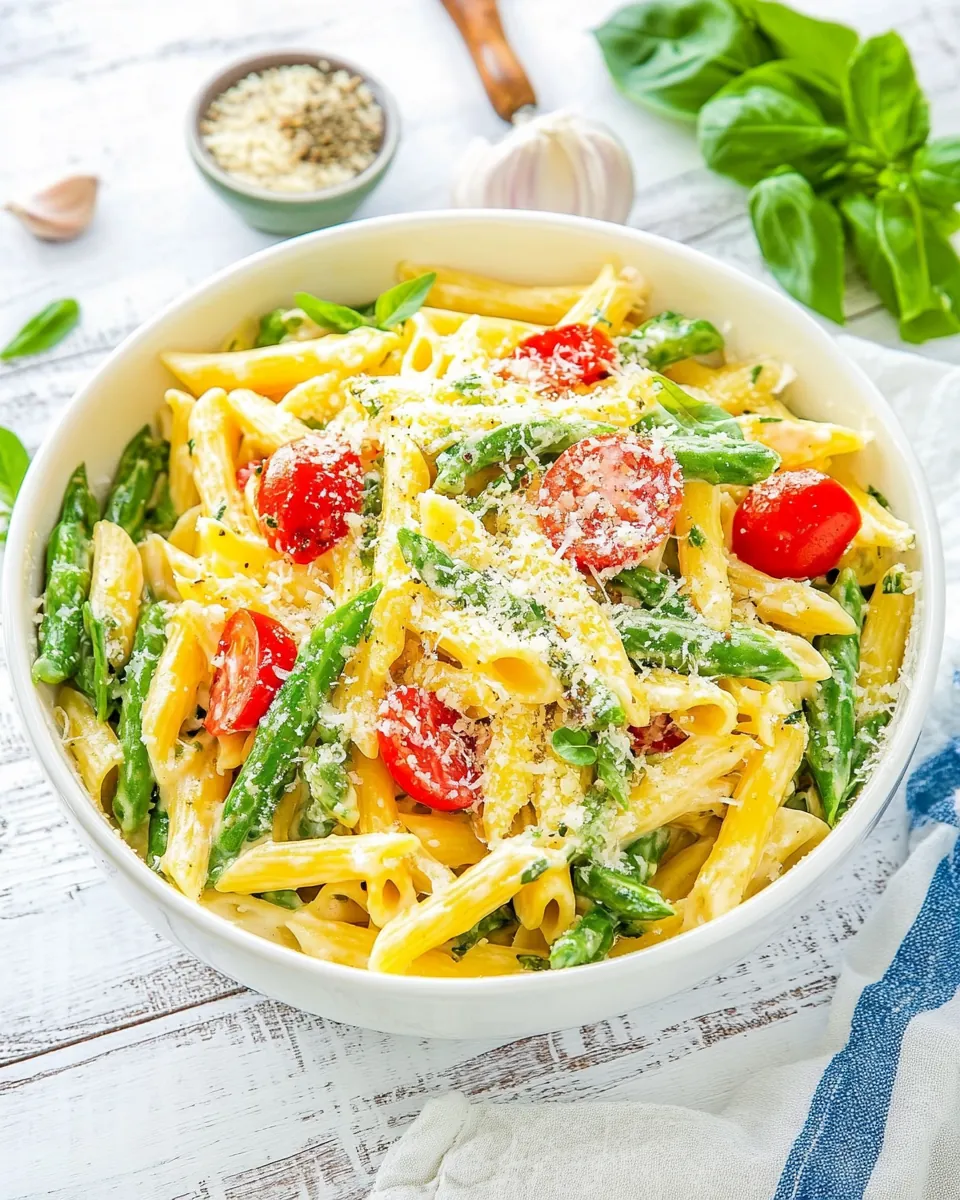
The beauty of Pasta Primavera lies in its fresh ingredients that work harmoniously together. Each component brings its unique flavor and texture to the dish, creating a delightful medley of tastes. From the tender pasta to the vibrant vegetables, these ingredients are the stars of the show.
- 12 ounces penne pasta, or another favorite pasta – The backbone of our dish, penne holds onto the sauce beautifully, ensuring each bite is flavorful.
- 2 tablespoons olive oil – For sautéing the vegetables, this oil adds a rich, fruity flavor that enhances the overall taste.
- 2 tablespoons unsalted butter – This adds creaminess and depth to the sauce, balancing the flavors of the vegetables.
- 1 medium red onion, diced small or sliced into thin strips – The onion gives a sweet and savory base flavor as it cooks down.
- ½ cup carrots, diced into matchstick-sized pieces – Adding crunch and a touch of sweetness, carrots are a delightful addition.
- 3 to 5 cloves garlic, finely minced – Garlic infuses the dish with aroma and flavor, making it all the more irresistible.
- 1 pound fresh asparagus, trimmed and diced into 1-inch long pieces – Asparagus provides a fresh, slightly nutty flavor that shines in this recipe.
- 1 medium bell pepper, seeded and diced into long thin strips – Bell peppers add a crunch and sweetness that complements the other vegetables.
- 2 cups broccoli florets – Broccoli not only adds vibrant color but also a hearty texture to the dish.
- 1 yellow squash, or zucchini, sliced into thin slices or half round slices – This gives the dish a tender, buttery bite.
- 1 cup frozen peas, thawed – Peas add a pop of sweetness and a lovely green color.
- 2 cups cherry or grape tomatoes, halved – Tomatoes bring juiciness and a burst of flavor with every bite.
- 2 tablespoons fresh parsley, finely minced – Parsley offers a fresh, herbal touch that brightens the dish.
- 2 tablespoons fresh basil, finely minced – The aromatic quality of basil adds an Italian flair to the pasta.
- ½ cup heavy whipping cream – This creates a luxurious sauce that binds the ingredients together.
- ½ cup freshly grated Parmesan cheese, plus more for garnishing – Parmesan adds a salty, nutty finish, enriching the overall flavor.
- 1 medium lemon, zested – Lemon zest brightens the dish and enhances the fresh flavors.
- Juice from 1 medium lemon – The acidity of lemon juice balances the richness of the cream.
- 2 to 3 teaspoons Italian seasoning, or to taste – This blend of herbs offers a familiar flavor profile typical in Italian cuisine.
- 1 to 2 teaspoons salt, or to taste – Enhances the flavors of all the ingredients.
- 1 teaspoon freshly ground black pepper, or to taste – Adds warmth and depth to the final dish.
Cooking Method for Pasta Primavera
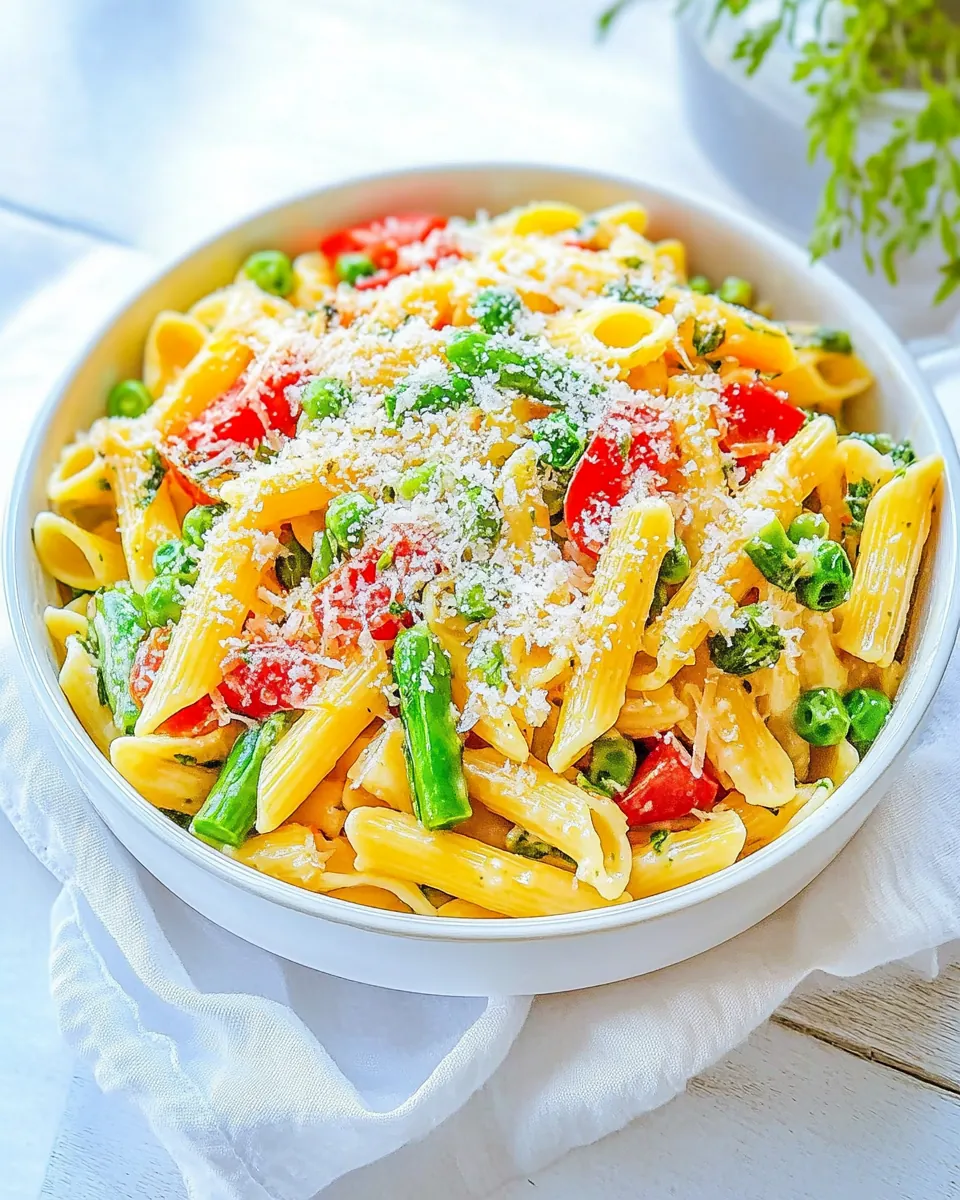
Cooking Pasta Primavera is a delightful experience that brings the kitchen to life with wonderful aromas and vibrant colors. This dish comes together effortlessly, making it perfect for any occasion. Let’s dive into the steps that will lead you to a delicious plate of pasta!
To start, fill a large pot with water and bring it to a boil. Don’t forget to salt the water generously—this is your chance to season the pasta as it cooks! When the water is boiling, add the penne pasta and cook according to the package directions, usually about 10 to 12 minutes for al dente. Once cooked, drain the pasta in a colander and rinse it under cold water to stop the cooking process; set the pasta aside in a very large bowl.
While the pasta is cooking, it’s time to prepare the vegetables. In a large skillet, heat olive oil and unsalted butter over medium-high heat. Once the butter has melted and starts to foam, toss in the diced red onion and carrots. Sauté these for about 4 to 5 minutes, stirring frequently, until the onion becomes translucent and the carrots are tender.
Now it’s time to add the garlic. Stir it into the skillet and sauté for about 1 minute while stirring constantly. You’ll want to watch for the garlic to become fragrant but not burnt, as burnt garlic can impart a bitter taste.
Next, add in the diced asparagus, bell peppers, and broccoli florets to the skillet. Sauté these colorful vegetables for about 3 to 4 minutes, stirring frequently. They should be tender yet still crisp. This is where you can check the texture; if you prefer softer veggies, feel free to cook them a little longer.
In this step, add the yellow squash and frozen peas to the mix and continue sautéing for another 2 to 3 minutes. Again, keep an eye on the texture. The goal is to have a variety of textures from crisp to tender, making each bite exciting.
Once the vegetables are perfectly cooked, transfer them to the bowl with the pasta. Add the halved cherry tomatoes and give everything a gentle stir to combine. Set this mixture aside momentarily while you prepare the sauce.
In a medium bowl, whisk together the heavy cream, Parmesan cheese, lemon zest, lemon juice, and Italian seasoning. This creamy sauce is the heart of the Pasta Primavera, and you want it well combined and smooth.
Drizzle the sauce evenly over the pasta and vegetable mixture. Using a large spoon or spatula, stir very well to combine everything, ensuring that the sauce coats all the pasta and vegetables. This step is crucial for flavor!
Now comes the important part: taste the dish! Check for seasoning and adjust with salt and black pepper to your liking. Remember, this is a substantial dish, so don’t hesitate to add enough seasoning to make the flavors pop. Feel free to add a pinch of chili flakes here if you like a little heat.
Finally, fold in the minced parsley and basil. These fresh herbs will not only enhance the flavor but will also add a beautiful aroma. Serve the Pasta Primavera immediately, garnishing with extra Parmesan cheese on top for a rich finishing touch.
Things Worth Knowing
- Don’t skip salting the pasta water: This is your best chance to infuse flavor into the pasta itself.
- Check the vegetables frequently: Proper sautéing means keeping a close eye on texture; aim for a mix of crisp and tender.
- Adjust the creaminess: If you prefer a lighter dish, you can reduce the amount of heavy cream in the sauce.
- Serve immediately: Pasta Primavera is best enjoyed fresh; if left too long, the pasta can absorb the sauce.
Expert Tips about Pasta Primavera
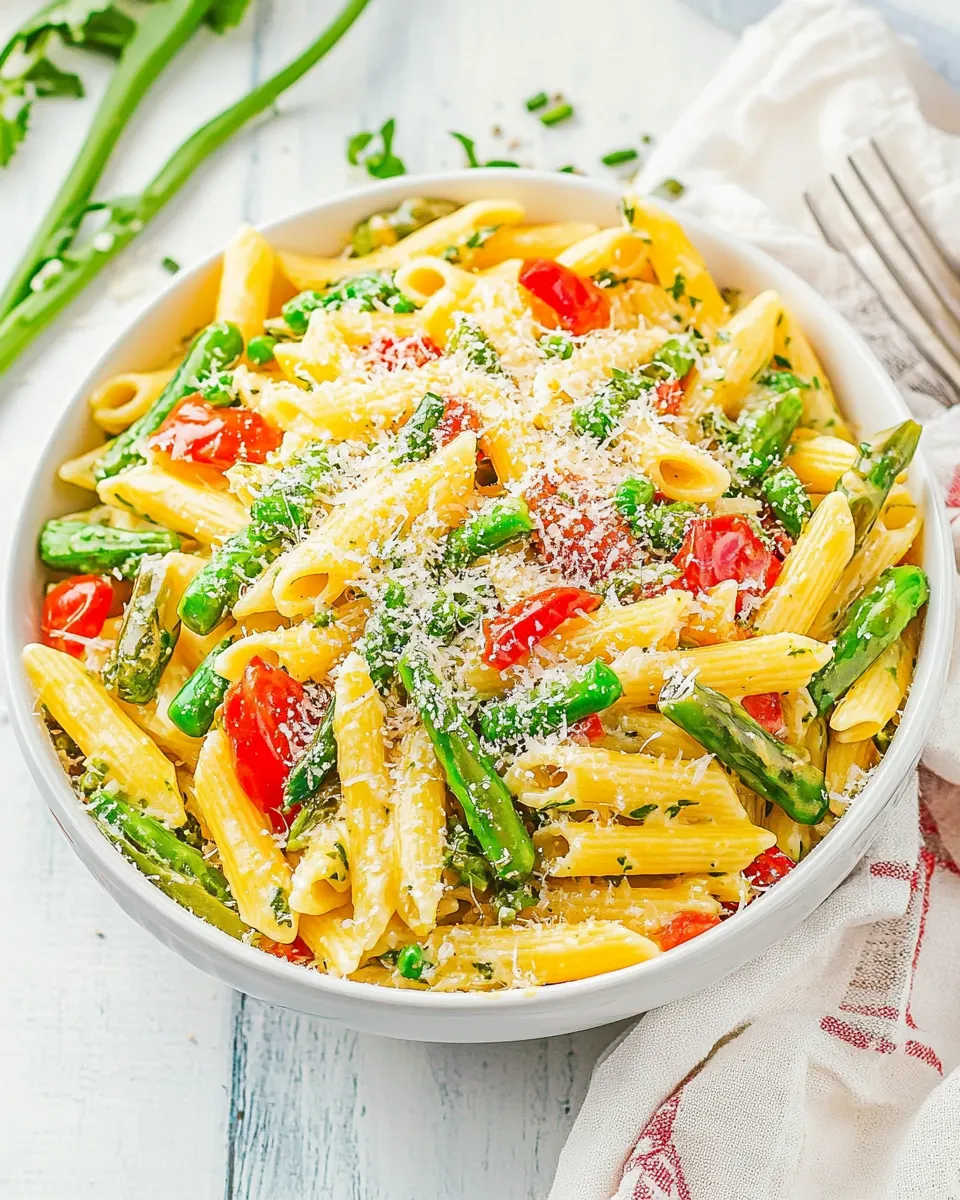
Enhance your cooking experience and the flavor of your Pasta Primavera with these expert tips. They’re designed to help you get the most out of your dish.
- Storage: After enjoying your Pasta Primavera, store any leftovers in an airtight container in the fridge for up to 5 days. This dish can also be frozen for up to 4 months. Just remember the texture of the vegetables will change slightly upon reheating.
- Freezing: If you choose to freeze your Pasta Primavera, allow it to cool completely before transferring it to a freezer-safe container. Reheat gently in the microwave for the best results.
- Variations: Don’t hesitate to experiment! Swap out vegetables based on your preferences or what’s in season. Try adding spinach, peas, or even artichokes for new flavors.
- Pairing: This dish pairs beautifully with a simple side salad or garlic bread for a complete meal.
- Garnishing: For an added flair, consider garnishing with toasted pine nuts or a drizzle of balsamic reduction before serving.
Perfect Pairings for Pasta Primavera
When it comes to serving Pasta Primavera, the options are as colorful as the dish itself! Here’s how to make it a memorable meal:
- Side Salads: A fresh garden salad with a light vinaigrette complements the richness of Pasta Primavera. The crispness of the greens provides a refreshing contrast.
- Garlic Bread: The buttery, garlicky flavor of garlic bread makes for a classic pairing. It’s perfect for soaking up any leftover sauce on your plate.
- Wine Pairing: A light white wine such as Pinot Grigio can elevate the flavors of the dish without overpowering them.
- Seasonal Occasions: Whether it’s a spring gathering or a summer BBQ, Pasta Primavera fits right in, making it a versatile choice for entertaining.
- Leftovers: If you have leftovers, consider transforming them into a pasta bake by adding some cheese on top and baking until bubbly.
FAQ
Conclusion
Pasta Primavera is a delightful dish that captures the essence of fresh, seasonal cooking. The combination of vibrant vegetables and creamy sauce makes it a truly special meal that everyone will love. I encourage you to try making it at home; it’s easier than you might think and the results are simply delicious. You’ll find that this recipe quickly becomes a favorite in your household, perfect for any occasion!
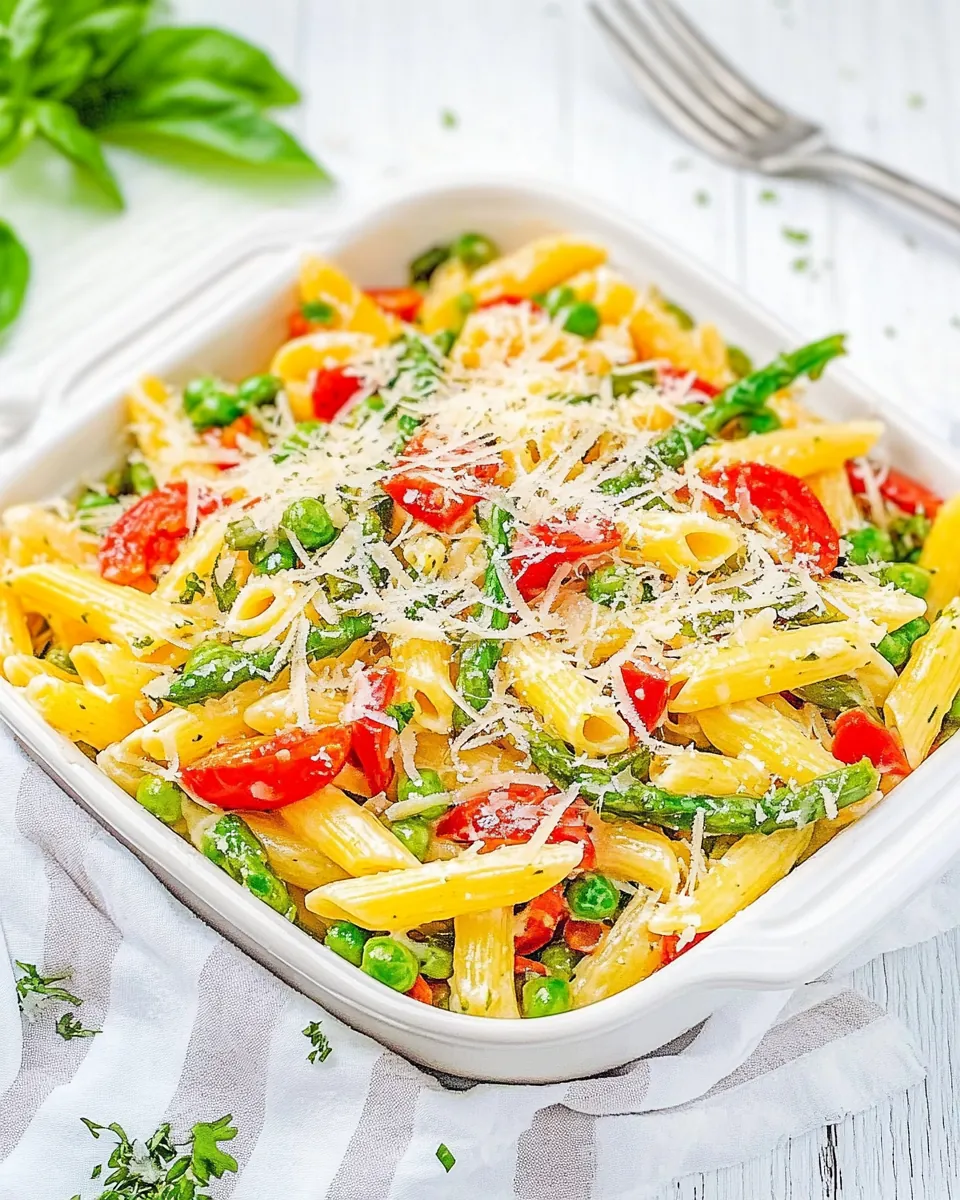
Pasta Primavera
Ingredients
Equipment
Method
- To start, fill a large pot with water and bring it to a boil. Don’t forget to salt the water generously—this is your chance to season the pasta as it cooks! When the water is boiling, add the penne pasta and cook according to the package directions, usually about 10 to 12 minutes for al dente. Once cooked, drain the pasta in a colander and rinse it under cold water to stop the cooking process; set the pasta aside in a very large bowl.
- While the pasta is cooking, it’s time to prepare the vegetables. In a large skillet, heat olive oil and unsalted butter over medium-high heat. Once the butter has melted and starts to foam, toss in the diced red onion and carrots. Sauté these for about 4 to 5 minutes, stirring frequently, until the onion becomes translucent and the carrots are tender.
- Now it’s time to add the garlic. Stir it into the skillet and sauté for about 1 minute while stirring constantly. You’ll want to watch for the garlic to become fragrant but not burnt, as burnt garlic can impart a bitter taste.
- Next, add in the diced asparagus, bell peppers, and broccoli florets to the skillet. Sauté these colorful vegetables for about 3 to 4 minutes, stirring frequently. They should be tender yet still crisp. This is where you can check the texture; if you prefer softer veggies, feel free to cook them a little longer.
- In this step, add the yellow squash and frozen peas to the mix and continue sautéing for another 2 to 3 minutes. Again, keep an eye on the texture. The goal is to have a variety of textures from crisp to tender, making each bite exciting.
- Once the vegetables are perfectly cooked, transfer them to the bowl with the pasta. Add the halved cherry tomatoes and give everything a gentle stir to combine. Set this mixture aside momentarily while you prepare the sauce.
- In a medium bowl, whisk together the heavy cream, Parmesan cheese, lemon zest, lemon juice, and Italian seasoning. This creamy sauce is the heart of the Pasta Primavera, and you want it well combined and smooth.
- Drizzle the sauce evenly over the pasta and vegetable mixture. Using a large spoon or spatula, stir very well to combine everything, ensuring that the sauce coats all the pasta and vegetables. This step is crucial for flavor!
- Now comes the important part: taste the dish! Check for seasoning and adjust with salt and black pepper to your liking. Remember, this is a substantial dish, so don’t hesitate to add enough seasoning to make the flavors pop. Feel free to add a pinch of chili flakes here if you like a little heat.
- Finally, fold in the minced parsley and basil. These fresh herbs will not only enhance the flavor but will also add a beautiful aroma. Serve the Pasta Primavera immediately, garnishing with extra Parmesan cheese on top for a rich finishing touch.
Notes
- Storage: After enjoying your Pasta Primavera, store any leftovers in an airtight container in the fridge for up to 5 days. This dish can also be frozen for up to 4 months. Just remember the texture of the vegetables will change slightly upon reheating.
- Freezing: If you choose to freeze your Pasta Primavera, allow it to cool completely before transferring it to a freezer-safe container. Reheat gently in the microwave for the best results.
- Variations: Don’t hesitate to experiment! Swap out vegetables based on your preferences or what’s in season. Try adding spinach, peas, or even artichokes for new flavors.
- Pairing: This dish pairs beautifully with a simple side salad or garlic bread for a complete meal.
- Garnishing: For an added flair, consider garnishing with toasted pine nuts or a drizzle of balsamic reduction before serving.