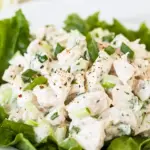
Chicken Baby Food
Making Chicken Baby Food is one of those moments that takes me back to my early days of parenting. I remember my little one just starting on solids, looking up at me with those big, curious eyes, eager to try new flavors. It’s such a joy to create something wholesome and nourishing for them, and this recipe is one of my favorites. Simple and straightforward, Chicken Baby Food is perfect for introducing protein into your baby’s diet. The tenderness of poached chicken blended into a smooth puree transforms into a delightful meal that is not only healthy but also incredibly satisfying to prepare. I love knowing exactly what goes into it—just pure, simple ingredients that I can trust. Plus, it’s so easy to make! As I began experimenting with different flavors and textures, I discovered that this dish can be a wonderful base for many variations, allowing me to add herbs or vegetables as my baby’s palate develops.
Recipe Snapshot
60 mins
0 mins
0 mins
Medium
160 kcal
30 g
Keto, Paleo, Whole30
4 g
Blender, Food Processor, Large Pot, Frying Pan, Chef’s Knife, Saucepan
Why You Need This Chicken Baby Food
It’s Nutritious
One of the best things about Chicken Baby Food is its nutritional value. Chicken is packed with high-quality protein and essential nutrients like iron and zinc, crucial for your baby’s growth and development. This dish offers an easy way to ensure your little one is getting the best start in life.
It’s Homemade
Making baby food at home allows you to control every ingredient. You can choose organic chicken and avoid any additives or preservatives commonly found in store-bought options. There’s something special about knowing that you made your baby’s food with love and care.
It’s Versatile
You can easily customize Chicken Baby Food to suit your child’s taste preferences. Whether you want to add pureed vegetables like sweet potatoes or carrots or introduce mild herbs for flavor, the possibilities are endless. It grows with your child!
It’s Simple to Prepare
This recipe is straightforward and requires minimal effort. You don’t need any fancy equipment—just a pot and a blender. Cooking chicken this way retains moisture, making it tender and easy to blend.
It’s Economical
Making baby food at home is often more cost-effective than buying jars of pre-packaged baby food. You can purchase chicken in bulk, and a little goes a long way in creating multiple servings. Plus, it’s a great way to minimize food waste!
Shopping List for Chicken Baby Food
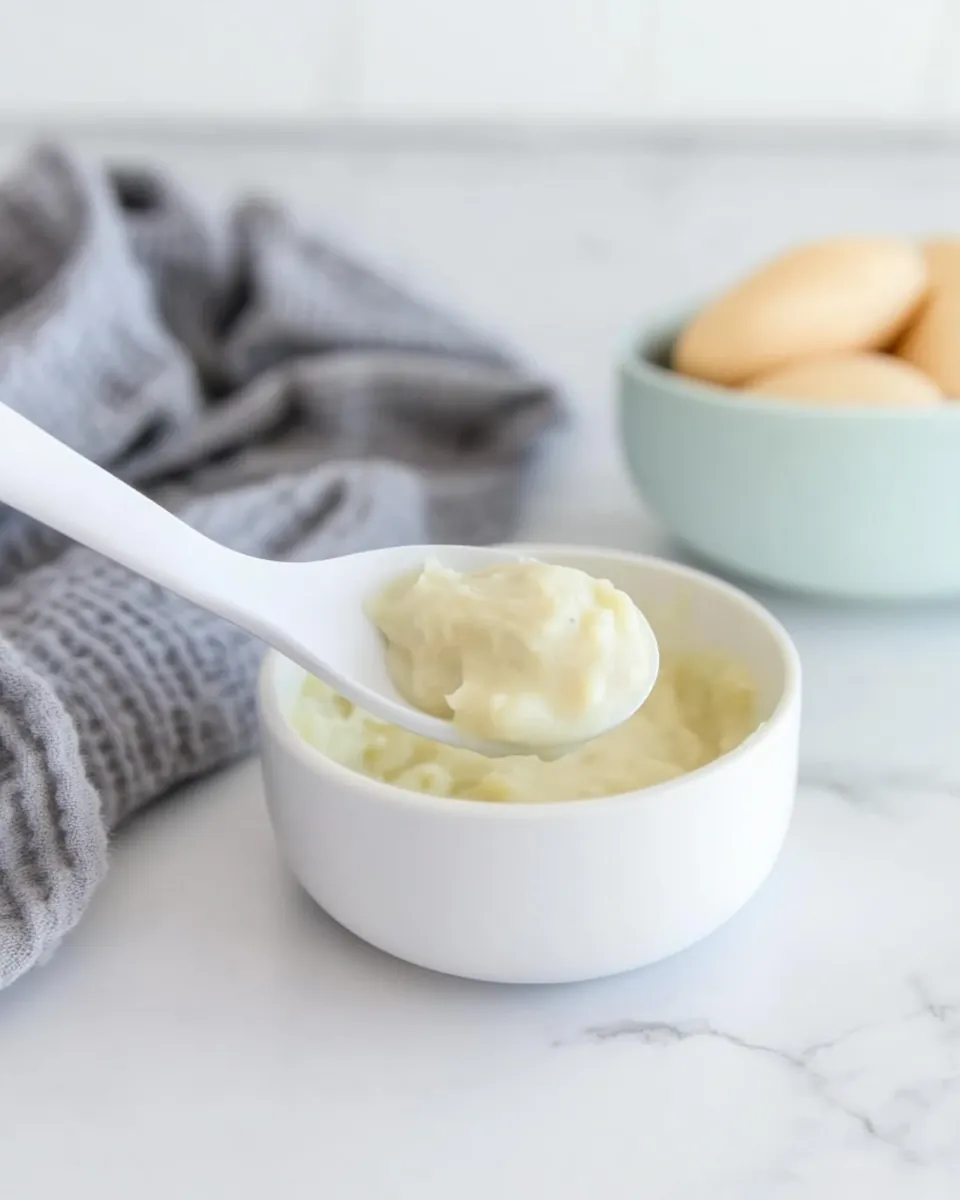
When it comes to Chicken Baby Food, the ingredients are simple yet essential. Using quality ingredients ensures that your baby gets the best nutrients possible. The main players here are tender chicken and water, which work together to create a pure, nourishing meal.
- Chicken breast: Approximately 250 grams of this lean meat provides the protein needed for your baby’s growth. Its mild flavor makes it an ideal starting point for introducing meat into your child’s diet.
- Water: Just enough to poach the chicken. This helps in keeping the chicken moist and makes it easier to blend into a smooth puree.
How to Make Chicken Baby Food
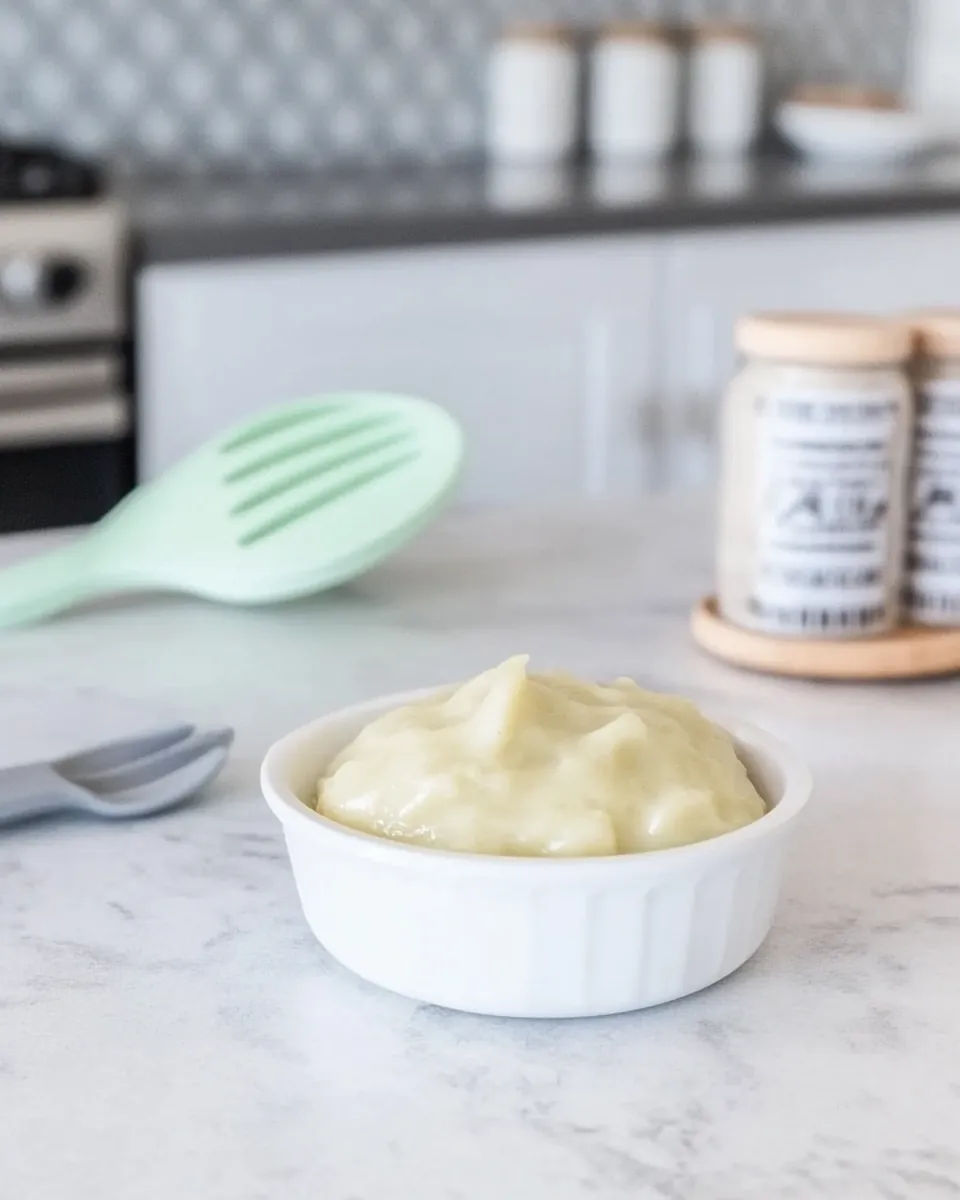
Creating Chicken Baby Food is an easy and rewarding process. Follow these simple steps to prepare a nutritious meal for your little one. Let’s get started!
- Begin by selecting a pot that’s large enough to accommodate your chicken breast. You want to ensure there’s plenty of room for the chicken and water to cook properly.
- Fill the pot with enough water so that when you add the chicken breast, it’ll be covered by at least two inches of water. This is crucial to keep the chicken moist while cooking.
- Place the pot on the stove and bring the water to a boil. This step is important as it ensures that the chicken cooks evenly and retains its flavors.
- Once boiling, gently add the chicken breast to the pot. Quickly pop the lid back on to lock in the steam and heat.
- Remove the pot from heat and let the chicken poach in the hot water without lifting the lid for about thirty minutes. It’s tempting to peek, but keeping the lid on helps the chicken cook through thoroughly.
- After thirty minutes, check to see if the chicken is cooked. You can use a meat thermometer—it’s safe to eat if the temperature reads at least 76 degrees Celsius.
- If the chicken isn’t quite ready, return the pot to low heat and simmer until fully cooked. You want the meat to be tender and easy to shred.
- Once cooked, carefully remove the chicken from the pot, reserving the poaching liquid. This liquid can be used to adjust the consistency of your puree later.
- Roughly chop the poached chicken into smaller pieces. This helps when blending, ensuring a smooth texture.
- Transfer the chopped chicken to a blender or food processor. Gradually add in about three-quarters of a cup of the reserved liquid, adding more as needed until you achieve a smooth puree.
Things Worth Knowing
Things Worth Knowing
- Always check the internal temperature of the chicken to ensure it’s safe for your baby to eat.
- Let the chicken cool down before blending to avoid any splatter and burns.
- Storing the puree in ice cube trays can help you serve small portions easily.
- Introduce new flavors slowly to monitor for any allergic reactions.
Ways to Customize
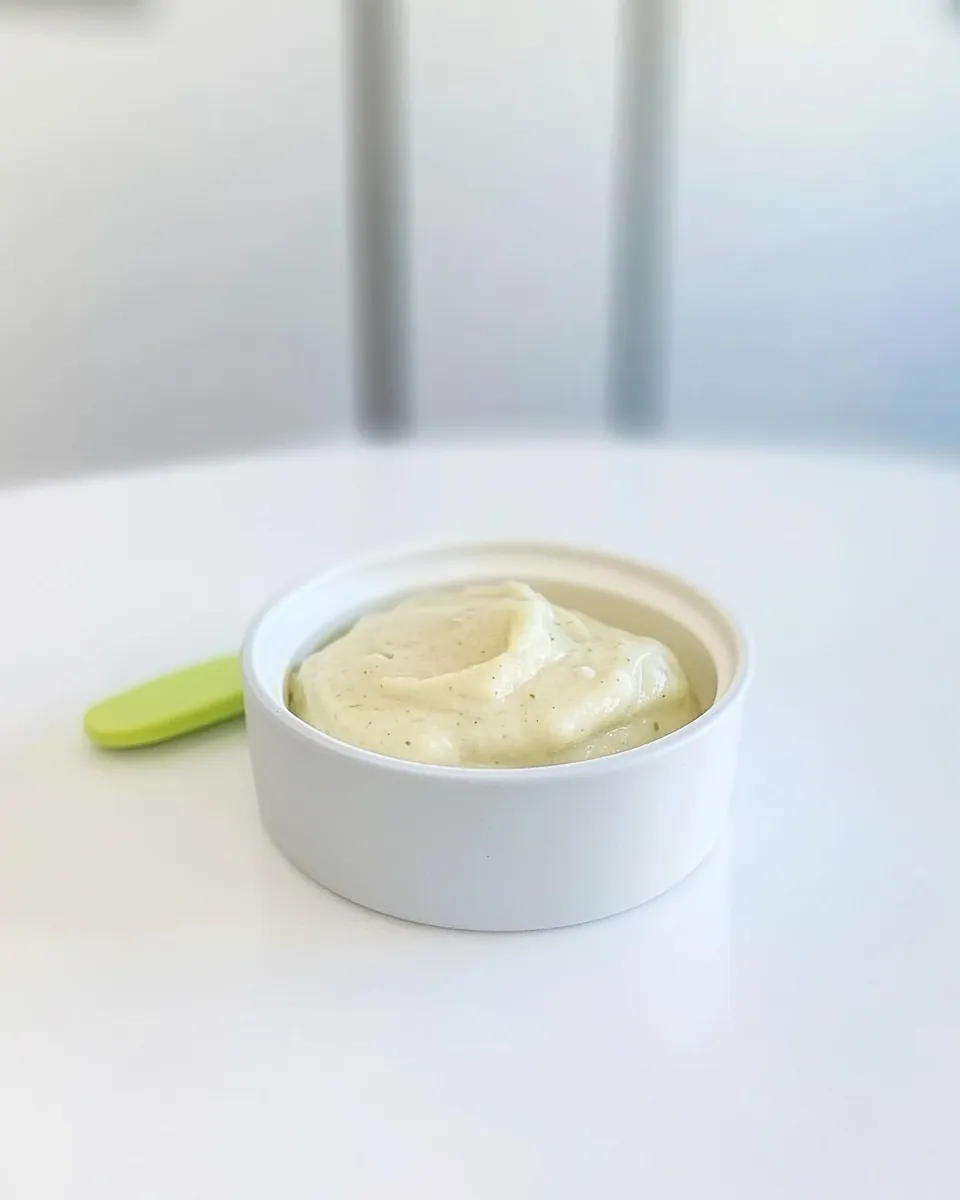
There are many ways to customize Chicken Baby Food to suit your baby’s developing taste buds. Simple additions can make a big difference!
- Storage: Store any leftover puree in airtight containers in the refrigerator for up to three days.
- Freezing: Freeze portions in ice cube trays for easy meal prep. They can last up to three months in the freezer.
- Pairing: Serve this puree with mashed vegetables like sweet potatoes or carrots for added flavor and nutrition.
- Flavoring: You can infuse the poaching liquid with herbs like thyme or bay leaves for a subtle flavor.
- Texture: As your baby grows, you can gradually make the puree chunkier by adding less water and blending for shorter periods.
Best Served With
When it comes to serving Chicken Baby Food, the possibilities continue to expand as your little one grows. Here are some suggestions:
- Mashed Vegetables: Pair the chicken puree with mashed peas or carrots for a well-rounded meal.
- Rice or Quinoa: As your baby adapts to different textures, you can mix the puree with soft rice or quinoa.
- Fruit Purees: Serve alongside fruit purees like apple or pear to introduce a sweet contrast to the savory chicken.
- Pasta: Once your baby is ready for more solid foods, consider mixing the chicken puree with small pasta shapes.
- Occasions: This dish is perfect for lunch or dinner, especially when introducing new flavors.
FAQ
Conclusion
In summary, Chicken Baby Food is not only nutritious but also incredibly easy to prepare at home. By making this dish, you’re providing your baby with the essential protein they need for healthy growth, all while enjoying the satisfaction of homemade food. I encourage you to give it a try and watch your little one enjoy this wholesome meal. It’s a wonderful way to bond over food and introduce them to new flavors as they grow!
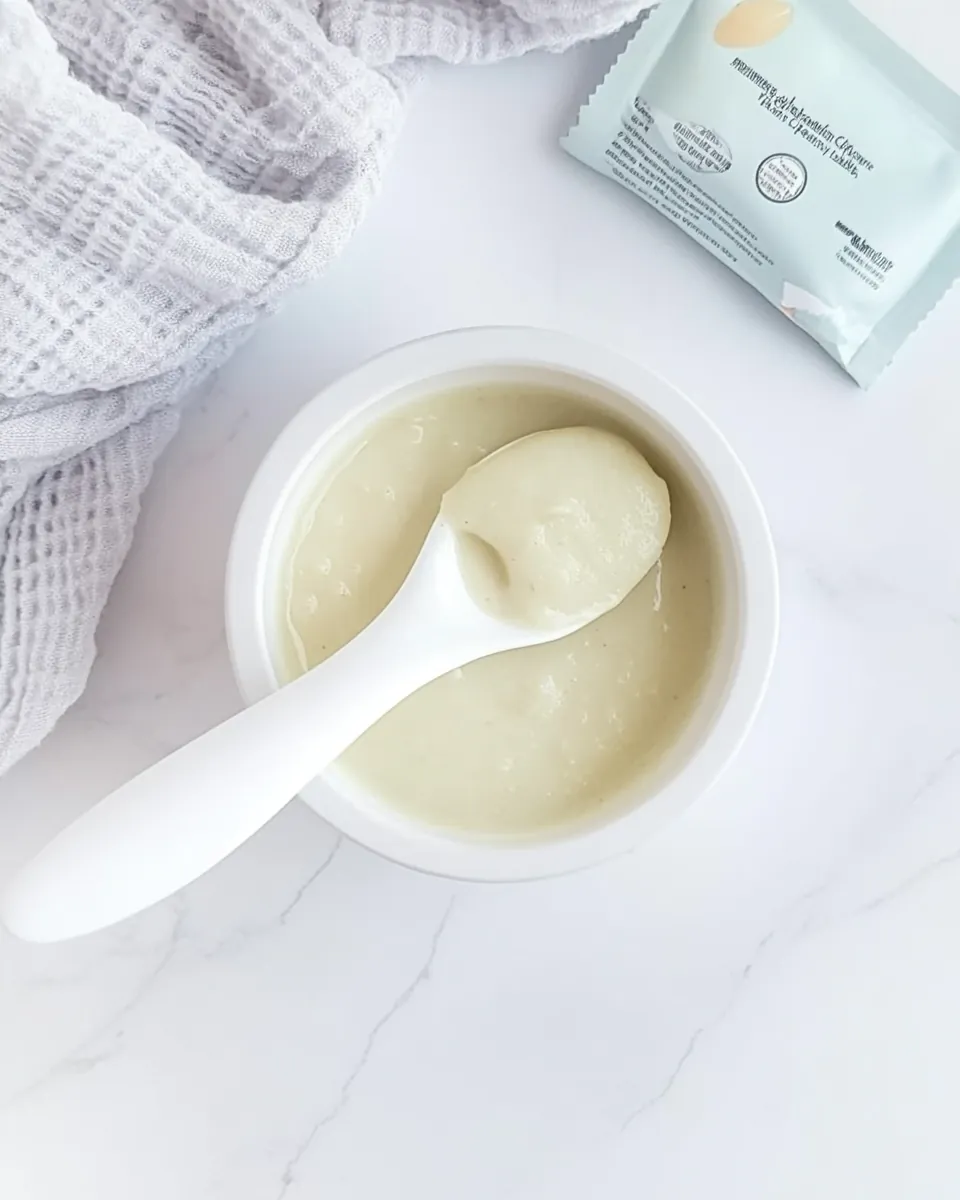
Chicken Baby Food
Ingredients
Equipment
Method
- Begin by selecting a pot that’s large enough to accommodate your chicken breast. You want to ensure there’s plenty of room for the chicken and water to cook properly.
- Fill the pot with enough water so that when you add the chicken breast, it’ll be covered by at least two inches of water. This is crucial to keep the chicken moist while cooking.
- Place the pot on the stove and bring the water to a boil. This step is important as it ensures that the chicken cooks evenly and retains its flavors.
- Once boiling, gently add the chicken breast to the pot. Quickly pop the lid back on to lock in the steam and heat.
- Remove the pot from heat and let the chicken poach in the hot water without lifting the lid for about thirty minutes. It’s tempting to peek, but keeping the lid on helps the chicken cook through thoroughly.
- After thirty minutes, check to see if the chicken is cooked. You can use a meat thermometer—it's safe to eat if the temperature reads at least 76 degrees Celsius.
- If the chicken isn't quite ready, return the pot to low heat and simmer until fully cooked. You want the meat to be tender and easy to shred.
- Once cooked, carefully remove the chicken from the pot, reserving the poaching liquid. This liquid can be used to adjust the consistency of your puree later.
- Roughly chop the poached chicken into smaller pieces. This helps when blending, ensuring a smooth texture.
- Transfer the chopped chicken to a blender or food processor. Gradually add in about three-quarters of a cup of the reserved liquid, adding more as needed until you achieve a smooth puree.
Notes
- Tip 1: Yield will be approximately 2 cups of chicken puree.
- Tip 2: Chicken breasts or chicken thighs can be used.
- Tip 3: The poaching liquid can be flavoured with lemon slices, or herbs such as thyme, bay leaves or a bouquet garni.
- Tip 4: Although I have used chicken breast, you can also use boneless skinless chicken thighs in this recipe, brown meat is higher in iron which can make it a good choice for homemade chicken baby food.
- Tip 5: Do not feel tempted to add salt to the water when poaching the chicken; baby food should not be salted.