
Deep Fried Turkey
There’s something magical about preparing a Deep Fried Turkey during the holiday season. I remember the first time I tried this dish; the smell of the sizzling oil wafted through the air, and my family gathered around, intrigued and excited. The turkey emerged beautifully golden, crispy on the outside and juicy on the inside. Every bite was a celebration, and laughter filled the kitchen as we enjoyed our feast together. This dish has become a cherished tradition in my home, bringing everyone together in a delicious way. Whether it’s Thanksgiving or just a cozy family dinner, nothing beats the thrill of serving a perfectly fried turkey. I’ve learned through the years that the key to a great Deep Fried Turkey is in the brining process and the right choice of herbs. Let me share my tips with you so you can create your own unforgettable memories with this recipe.
Recipe Snapshot
1 hr 15 mins
30 mins
45 mins
Medium
350 kcal
50 g
Gluten-Free, AIP, Low FODMAP
15 g
30-Quart Pot with deep frying basket, Baking Sheet, Deep Frying Thermometer
The Magic of This Deep Fried Turkey
1. Crispy Exterior, Juicy Interior
One of the best things about Deep Fried Turkey is that you get that perfect balance of textures. The outside is incredibly crispy, while the inside remains tender and juicy. This contrast is what makes every bite so enjoyable.
2. Flavorful Brine
The brining process is crucial. By soaking the turkey in a mixture of salt, sugar, and herbs, you enhance the flavor significantly. It’s not just about moisture; it’s about infusing the meat with a savory essence that your guests will remember.
3. The Joy of Cooking Together
Preparing a Deep Fried Turkey is a great opportunity to bond with family or friends. I love having my loved ones help out, whether it’s measuring ingredients or keeping an eye on the frying temperature. Cooking together creates lasting memories.
4. Perfect for Celebrations
This dish is a showstopper at any gathering. When you bring out a golden fried turkey, everyone’s eyes light up. It’s not just a meal; it’s an experience that sets the tone for the entire celebration.
5. Versatile Seasoning
You can easily customize the flavors according to your preference. Feel free to experiment with herbs or even add a bit of spice for a kick. The versatility of this dish is one of its many charms.
6. Impress Your Guests
When you serve a Deep Fried Turkey, you’re sure to impress your guests. They’ll be amazed by your cooking skills and likely beg for your secret recipe. Plus, who doesn’t love a good turkey on the table?
Ingredients to Make Deep Fried Turkey

The ingredients for a Deep Fried Turkey are simple, yet they work together to create a mouthwatering dish. The main players include a whole turkey, fresh herbs, and a flavorful brine. Each component plays a vital role in achieving that succulent meat and crispy skin.
- 3 gallons water – This forms the base for your brine, hydrating the turkey and helping it stay moist while it fries.
- 1¼ cups kosher salt – Essential for brining, it draws out moisture and enhances the flavor of the turkey.
- 1 cup brown sugar – Adds a hint of sweetness to balance the saltiness of the brine.
- 1 head garlic, cut in half – Provides a rich, aromatic flavor that infuses the turkey.
- ½ cup fresh thyme, divided – A fragrant herb that adds depth to your brine.
- ½ cup fresh sage leaves, divided – Offers a warm, earthy flavor complementing the turkey.
- ½ cup fresh rosemary leaves, divided – Adds a pine-like aroma that elevates the dish.
- 13-15 pounds whole turkey – The star of the show, providing the meat that we are going to fry.
- 3 gallons vegetable oil – Necessary for frying, ensuring the turkey cooks evenly and crisps beautifully.
How to Cook Deep Fried Turkey
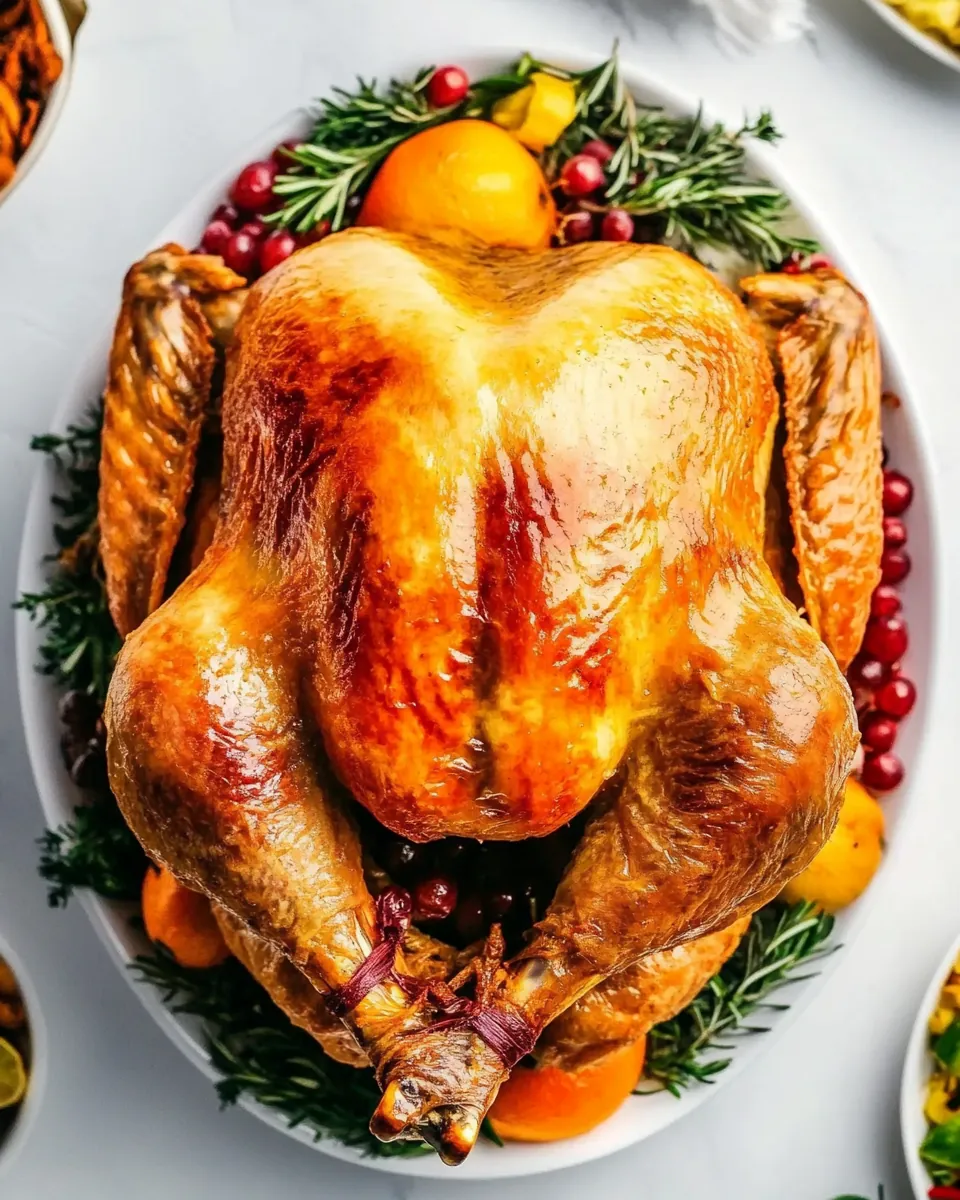
Cooking a Deep Fried Turkey can be an exciting experience, especially with the right preparation. Follow these detailed steps to ensure a successful fry.
- Start by preparing your brine. In a large pot, combine 3 gallons of water, 1¼ cups of kosher salt, and 1 cup of brown sugar. Stir until the salt and sugar are completely dissolved. This brine is crucial for keeping the turkey moist and flavorful.
- Add in the garlic and half of your herbs, specifically ½ cup of fresh thyme, ½ cup of fresh sage, and ½ cup of fresh rosemary. The flavors from these herbs will sink into the turkey, making it exceptionally delicious.
- Next, prepare the turkey. Remove it from its packaging, taking out the neck and giblets. Make sure to check for any plastic pieces that might be attached. Rinse the turkey under cold water and then place it in the pot filled with the brine.
- Ensure that the turkey is completely submerged in the brine. Adding a weight or using a heavy plate can help. Cover the pot and refrigerate it for 12 to 24 hours. This step is essential for proper brining.
- After brining, remove the turkey and place it on a baking sheet lined with paper towels. Pat the turkey dry, inside and out, with additional paper towels. This helps achieve that coveted crispy skin by removing excess moisture.
- Pour out the brine and rinse the pot. Dry it thoroughly before adding 3 gallons of vegetable oil. Heat the oil to 275°F. Use a deep-frying thermometer to monitor the temperature accurately.
- Once the oil reaches 275°F, carefully lower the turkey into the fryer basket, ensuring that you have attached the thermometer to monitor the temperature as needed. This step is crucial for ensuring that the oil maintains the right frying temperature.
- As the oil heats, bring it up to 350°F. Once at this temperature, reduce the heat to keep it stable. Fry the turkey for about 3 minutes per pound, allowing it to cook evenly and develop that beautiful golden color.
- After frying, carefully lift the basket from the oil and let the turkey rest for at least 20 minutes. This resting period allows juices to redistribute within the meat, enhancing flavor and moisture.
- Finally, transfer the turkey to a cutting board for carving. You can serve it with the remaining herbs for an extra touch. Enjoy your perfectly fried turkey!
Things Worth Knowing
- Ensure your turkey is completely thawed before frying to prevent oil overflow and splatter.
- Always use a thermometer to check the internal temperature; it should read 165°F in the thickest part of the turkey.
- Maintain a safe frying environment, especially if frying indoors; make sure there’s adequate ventilation.
- To avoid oil splatters, ensure the turkey is thoroughly patted dry before lowering it into the hot oil.
How to Switch It Up
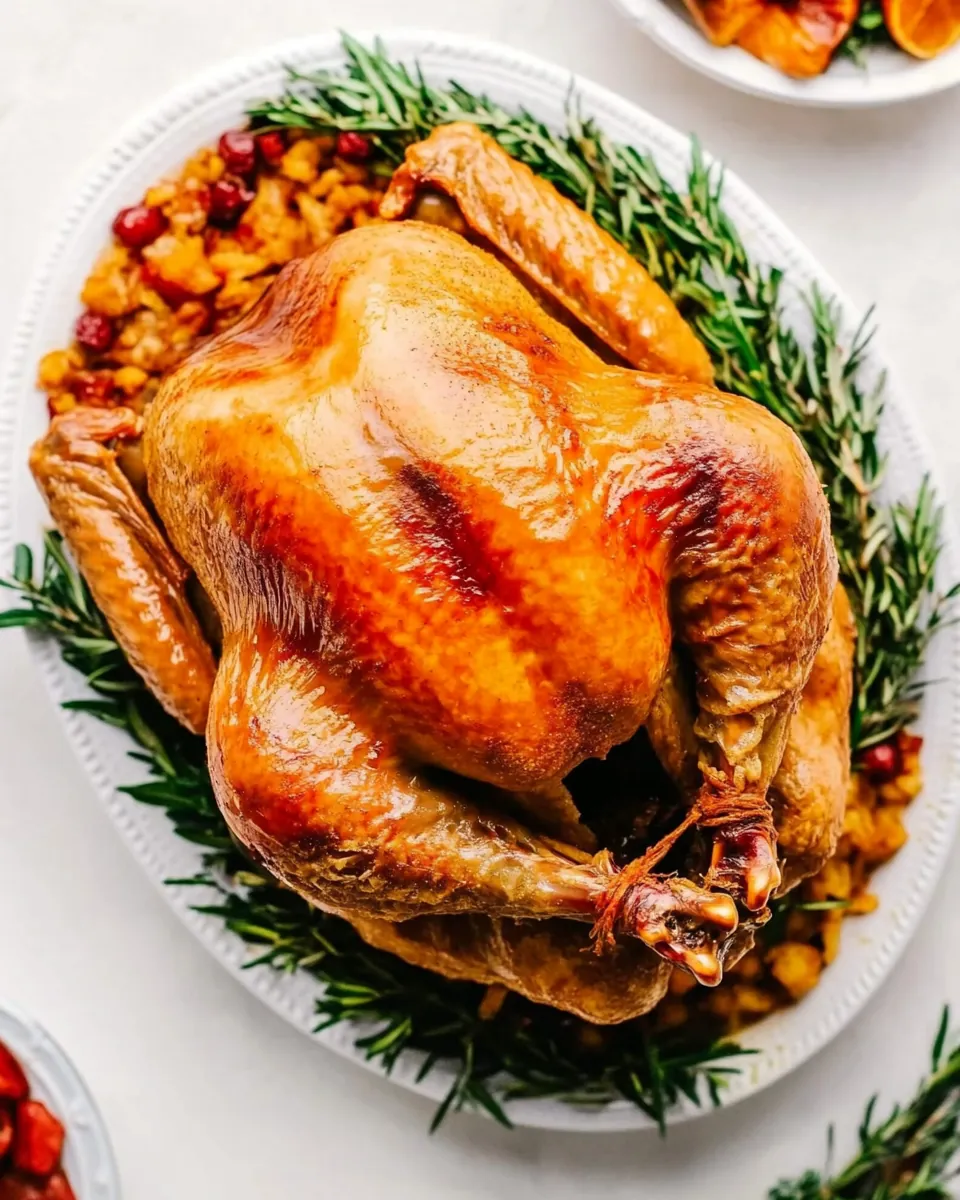
While the classic Deep Fried Turkey is delicious on its own, there are plenty of ways to switch it up! Here are some ideas to inspire your creativity in the kitchen:
- Storage: Store leftover turkey in an airtight container in the refrigerator for up to four days.
- Freezing: Yes, you can freeze the turkey! Wrap it tightly in plastic wrap and then foil before placing it in the freezer. It can last for up to three months.
- Pairing: Serve your Deep Fried Turkey with sides like mashed potatoes, green beans, or stuffing for a complete meal.
- Flavor Variations: Experiment with different rubs or brines, such as citrus or spicy blends, to create unique flavor profiles.
- Slicing & Serving: Let the turkey rest before carving to lock in the juices, and consider serving it with homemade gravy.
- Healthier Options: For a lighter version, try air frying the turkey instead.
What Goes Well With This Deep Fried Turkey
When it comes to serving your Deep Fried Turkey, the options are endless! Here’s how to make the most of it:
- Classic Sides: Pair it with creamy mashed potatoes, roasted vegetables, or stuffing for a traditional meal.
- Festive Occasions: This turkey is perfect for Thanksgiving or Christmas dinners, making it a centerpiece for holiday gatherings.
- Lighten It Up: Serve with a fresh salad or coleslaw to balance the richness of the fried turkey.
- Leftover Magic: Use leftover turkey for sandwiches, salads, or casseroles the following days to minimize waste.
- Outdoor Gatherings: This dish is great for barbecues, tailgates, or any outdoor event where you want to impress your guests.
- Seasonal Pairings: In the fall, serve with apple or pumpkin dishes for a seasonal twist.
FAQ
Conclusion
The Deep Fried Turkey stands out as a centerpiece for any gathering, bringing joy and flavor to the table. I encourage you to try this recipe for your next holiday or family event. It’s an experience that not only fills your belly but also warms your heart. Gather your loved ones, fry that turkey, and make some unforgettable memories!
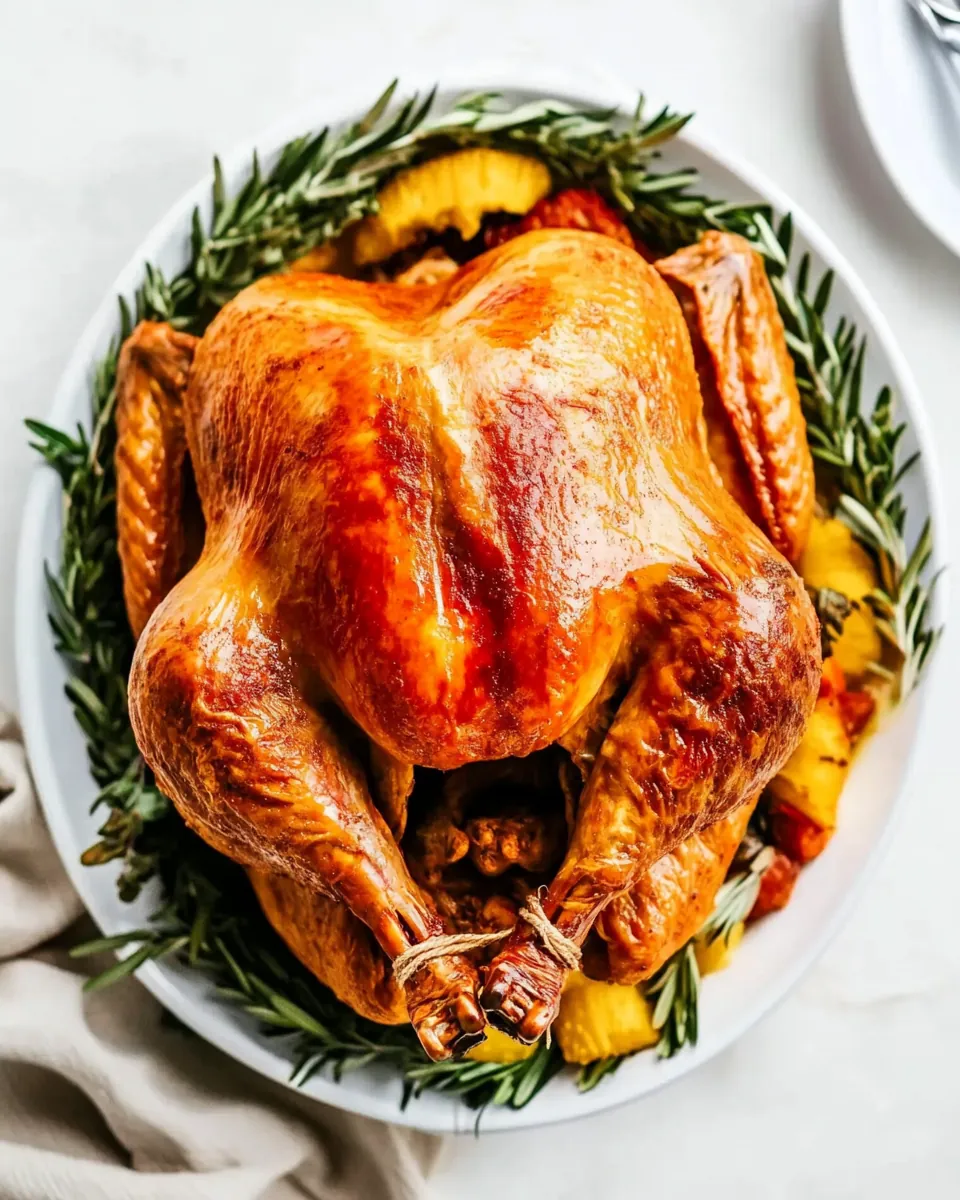
Deep Fried Turkey
Ingredients
Equipment
Method
- Start by preparing your brine. In a large pot, combine 3 gallons of water, 1¼ cups of kosher salt, and 1 cup of brown sugar. Stir until the salt and sugar are completely dissolved.
- Add in the garlic and half of your herbs. Specifically, ½ cup of fresh thyme, ½ cup of fresh sage, and ½ cup of fresh rosemary.
- Next, prepare the turkey. Remove it from its packaging and take out the neck and giblets. Rinse the turkey under cold water and then place it in the pot filled with the brine.
- Ensure that the turkey is completely submerged in the brine. Cover the pot and refrigerate it for 12 to 24 hours.
- After brining, remove the turkey and place it on a baking sheet lined with paper towels. Pat the turkey dry, inside and out, with additional paper towels.
- Pour out the brine and rinse the pot. Pour 3 gallons of vegetable oil into the pot. Heat the oil to 275°F.
- Once the oil reaches 275°F, carefully lower the turkey into the fryer basket.
- As the oil heats, bring it up to 350°F. Once at this temperature, fry the turkey for about 3 minutes per pound.
- After frying, carefully lift the basket from the oil and let the turkey rest for at least 20 minutes.
- Finally, transfer the turkey to a cutting board for carving. Serve it with the remaining herbs.
Notes
- Tip 1: If you’re using a frozen turkey, follow my guide for how to thaw a turkey!
- Tip 2: Instead of brown sugar, try granulated sugar.
- Tip 3: Feel free to change up the herbs to suit your individual tastes. Basil, parsley, and chives are all great.
- Tip 4: For a spicy brine, try adding a bit of cayenne pepper.
- Tip 5: Use kosher salt or coarse sea salt; fine or table salt will make your turkey too salty!