
Homemade Almond Butter
There’s something truly special about making Homemade Almond Butter in your own kitchen. It all started on a rainy Sunday afternoon when I found myself craving a nutty spread for my morning toast. I thought, why not try making it myself? With just a few simple ingredients, I discovered that homemade almond butter is not only easy to prepare but also infinitely more delicious than store-bought versions. The way the almonds transform under the blade of a food processor is mesmerizing, and the aroma that fills your kitchen is absolutely irresistible.
As I blended, I couldn’t help but reminisce about childhood snacks. Almond butter was a staple in our house, but it often came in a jar, packed with added sugars and oils. However, making my own allowed me to customize it to my taste. I could control the consistency and flavor, making it as creamy or crunchy as I wanted. Each time I spread it on my toast or added it to smoothies, I felt a sense of accomplishment, knowing exactly what went into my beloved spread.
Not only is Homemade Almond Butter a fantastic snack, but it’s also great for those with dietary restrictions or anyone looking to avoid processed foods. It’s vegan, gluten-free, and packed with nutrients, making it a guilt-free indulgence. Whether you’re spreading it on your morning oats, using it as a dip for apples, or simply enjoying it by the spoonful, this nut butter is sure to become a new favorite. Trust me, once you make it yourself, you’ll never want to go back to the store-bought kind!
Recipe Snapshot
20 mins
0 mins
20 mins
Medium
98 kcal
4 g
Keto, Paleo, Whole30
9 g
Food Processor, Almonds
Why You’ll Love This Homemade Almond Butter
Healthier Alternative
One of the primary reasons I adore making Homemade Almond Butter is that it allows me to control the ingredients. Store-bought versions often contain added sugars and unhealthy oils. By making it at home, I can ensure it’s pure, wholesome, and tailored to my preferences.
Customization
Another fantastic aspect is the ability to customize your almond butter. Want it sweeter? Add a drizzle of honey or maple syrup. Prefer a touch of salt? Just sprinkle it in! The possibilities are endless, and you can adjust it every time you make it to suit your mood.
Freshness
There’s nothing quite like the taste of fresh almond butter. When you make it at home, you can enjoy it while it’s still warm and incredibly fragrant. The freshness elevates the flavors and makes each bite a delightful experience.
Cost-Effective
Making Homemade Almond Butter is also a budget-friendly option. While it may seem like a premium product, buying raw almonds in bulk can save you money in the long run. A little goes a long way, and you get a more nutritious product for your dollar.
Versatile Ingredient
Almond butter can be used in various recipes, from smoothies to baked goods. I love incorporating it into my protein shakes for an energy boost or using it as a natural sweetener in energy balls. It’s a versatile ingredient that can enhance meals in many ways.
Fun Experience
Lastly, the process of making Homemade Almond Butter is a fun activity. It’s incredibly satisfying to watch the almonds transform from whole nuts into a creamy spread in just a matter of minutes. It’s an engaging experience that can be enjoyed alone or with family and friends.
Homemade Almond Butter Ingredients
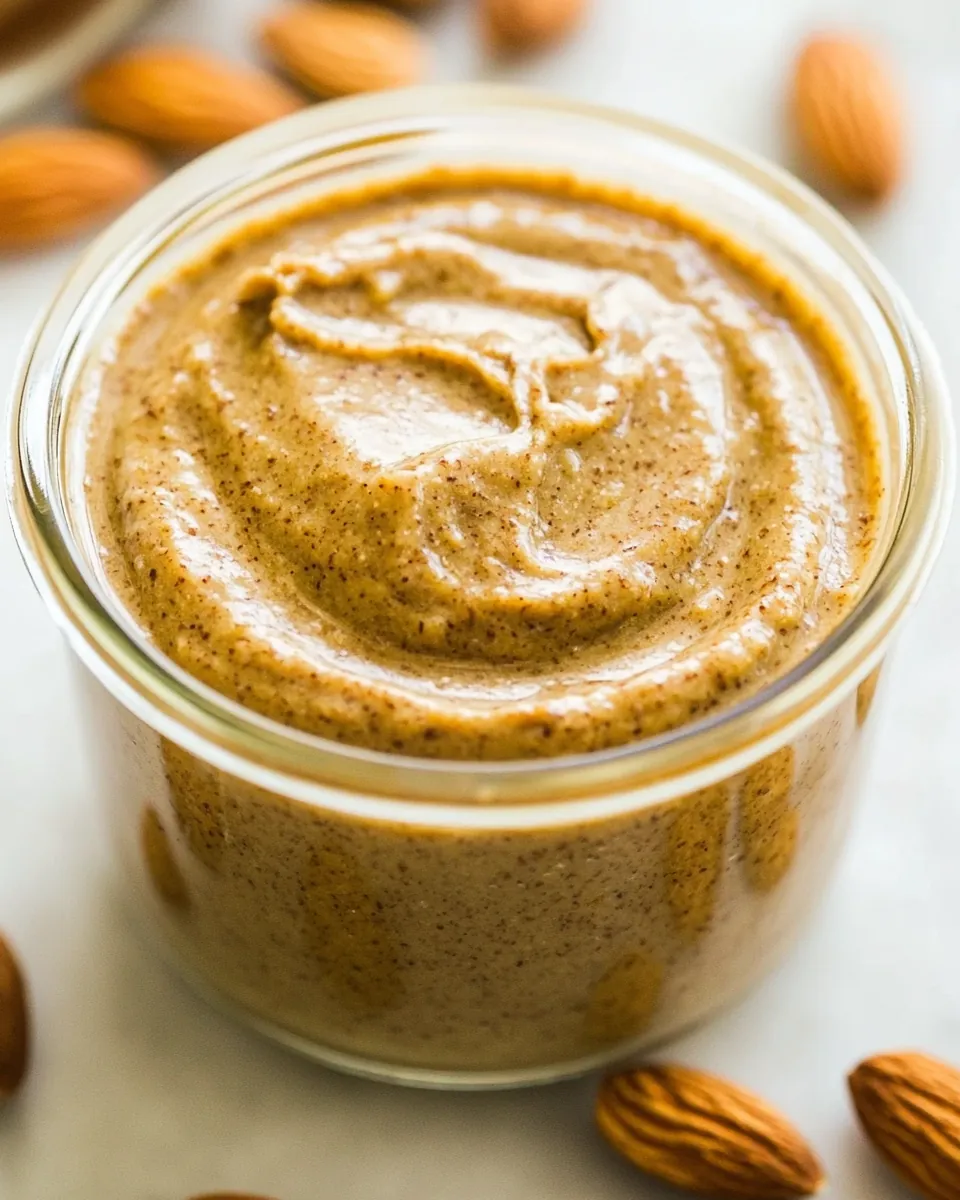
The ingredients for Homemade Almond Butter are beautifully simple. They work in harmony to create a creamy, nutty spread that can serve as a snack or ingredient in various recipes. The star of the show is definitely the almonds, which provide a rich flavor and healthy fats.
- 2 to 3 cups of almonds: Raw almonds are the base of this recipe. They are packed with healthy fats, fiber, and protein, making them a nutritious choice. Depending on your preference, you can use blanched or unblanched almonds.
How to Cook Homemade Almond Butter
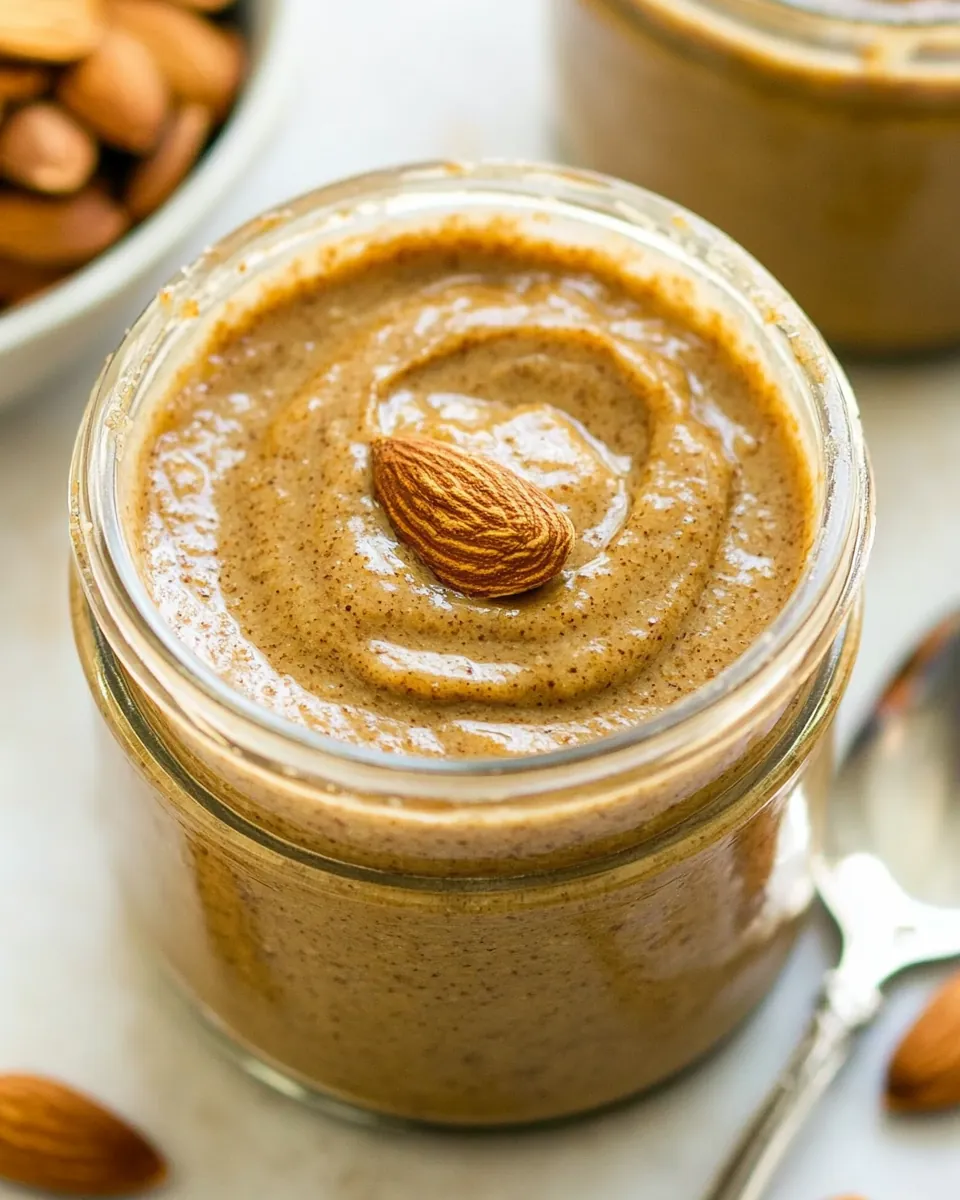
Making Homemade Almond Butter is straightforward and rewarding. Follow these easy steps, and you’ll be enjoying your nutty spread in no time!
- To begin with, preheat your oven to 375°F if you are using unroasted almonds. Spread them evenly on a baking sheet. Roasting the almonds enhances their flavor and helps in releasing oils, which result in a creamier butter.
- Once the oven is heated, place the baking sheet in the oven and roast the almonds for 8 to 10 minutes. Stir halfway through to ensure even roasting. You’ll notice a lovely nutty aroma filling your kitchen.
- After roasting, take the almonds out of the oven and let them cool for at least 5 minutes. This cooling step is crucial to avoid overheating the food processor when you blend them.
- Next, transfer the cooled almonds into a food processor. Secure the lid tightly, and start processing. Initially, the almonds will break down into a crumbly texture.
- Keep processing for about 5 minutes. At this stage, you might think it’s not working. But trust the process, as the heat will start to release the natural oils from the almonds.
- Scrape down the sides of the food processor with a spatula to ensure all almonds are blended evenly. Continue processing for another 3 to 5 minutes.
- As you blend longer, the almonds will transform into a rough butter. Depending on your preference for texture, you can blend for an additional 3 to 5 minutes until it reaches your desired creaminess.
- When you’re happy with the consistency, transfer your almond butter into a mason jar or airtight container. This is where you can admire your handiwork!
- Finally, store your homemade almond butter in the fridge for up to 1 month, or keep it in the pantry if you plan to use it quickly.
Things Worth Knowing
- The Right Tool: A high-quality food processor is essential for making almond butter. Ensure it’s powerful enough to handle the thick consistency.
- Roasting Tips: Roasting enhances flavor but can lead to overcooking. Keep an eye on the almonds and stir to prevent burning.
- Storage: Properly stored, almond butter can last for a month. Use airtight jars to keep it fresh.
- Consistency Control: For a creamier texture, blend longer and be patient. The more you blend, the smoother it becomes.
Recipe Variations about Homemade Almond Butter
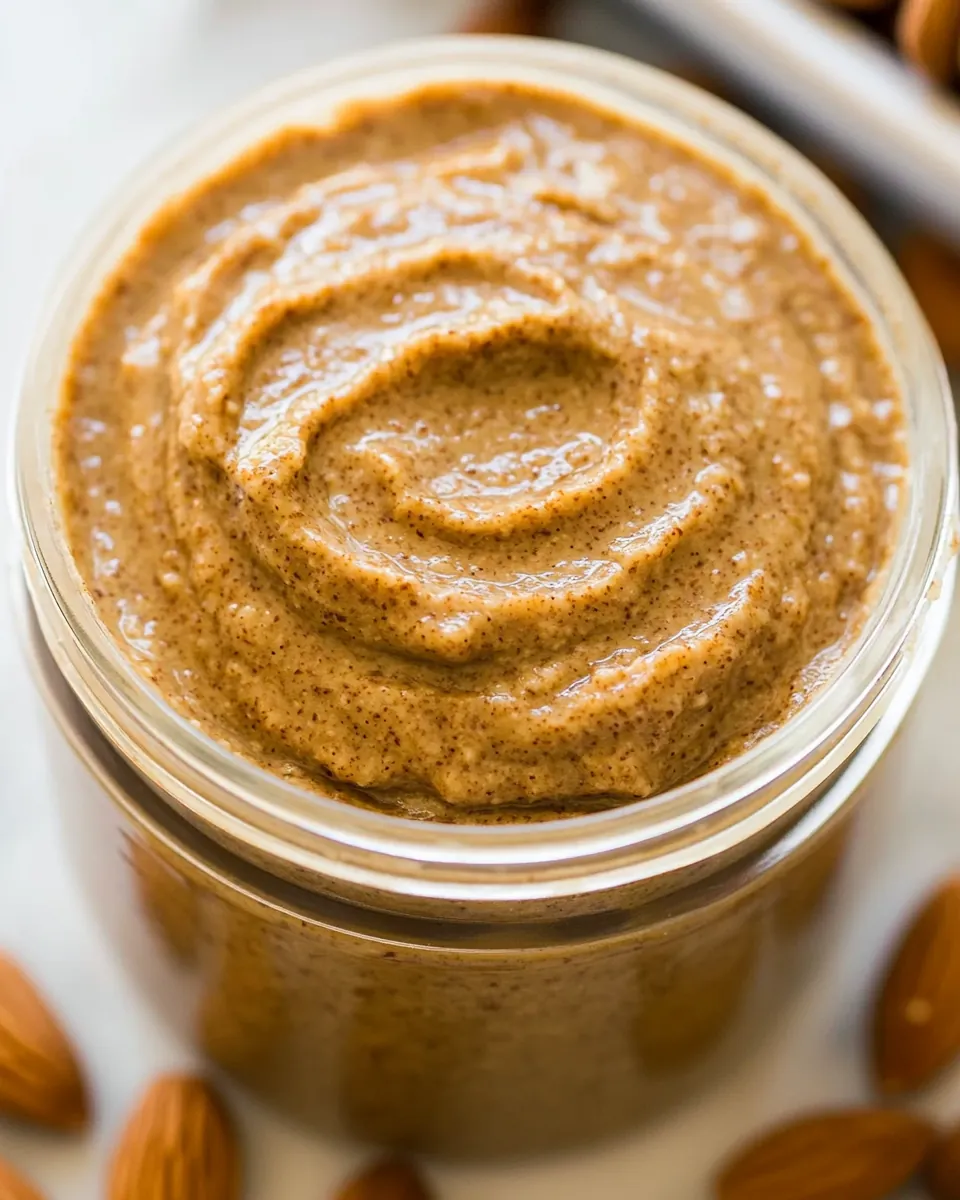
There are so many ways to enjoy Homemade Almond Butter. Here are some fun variations to try!
- Storage: Store your almond butter in an airtight container in the fridge for optimal freshness. It can also be kept in a cool, dark pantry for a short time.
- Freezing: Yes, you can freeze almond butter! Scoop it into ice cube trays or freezer-safe containers for easy portioning later.
- Pairing: Enjoy almond butter with apples, bananas, or spread it on whole-grain toast. It also works beautifully in smoothies or desserts.
- Flavor Twists: Consider adding spices like cinnamon or nutmeg, or mix in some cocoa powder for a delicious chocolate twist.
- Chunky Style: If you prefer a chunky texture, reserve some of the roasted almonds before blending and mix them in afterward.
- Sweetener Options: Feel free to add a touch of honey or maple syrup to sweeten your almond butter naturally.
Perfect Pairings for Homemade Almond Butter
Serving your Homemade Almond Butter opens up a world of delicious possibilities. Here are some perfect pairings to enhance your nutty spread experience:
- Breakfast Boost: Spread almond butter on whole grain toast topped with sliced bananas or fresh berries for a nutritious breakfast.
- Snack Time: Pair it with crunchy celery sticks or apple slices for a healthy mid-afternoon snack that keeps you energized.
- Smoothie Ingredient: Add a spoonful of almond butter to your morning smoothie for a creamy texture and added protein.
- Oatmeal Topping: Stir in almond butter to your oatmeal or overnight oats for a delicious and filling breakfast option.
- Protein Balls: Use almond butter as a base for homemade energy balls, mixing it with oats, honey, and your favorite add-ins.
- Gifting Idea: Consider putting some of your almond butter in small jars as a homemade gift for friends or family.
FAQ
Conclusion
Making Homemade Almond Butter is a rewarding endeavor that not only allows you to enjoy a delicious spread but also empowers you to control the ingredients. By trying this recipe, you’re not just creating a snack; you’re crafting a healthier option that can fit into various meals and occasions. I encourage you to give it a go! You’ll be pleasantly surprised by how easy and satisfying it is to make your own almond butter at home.
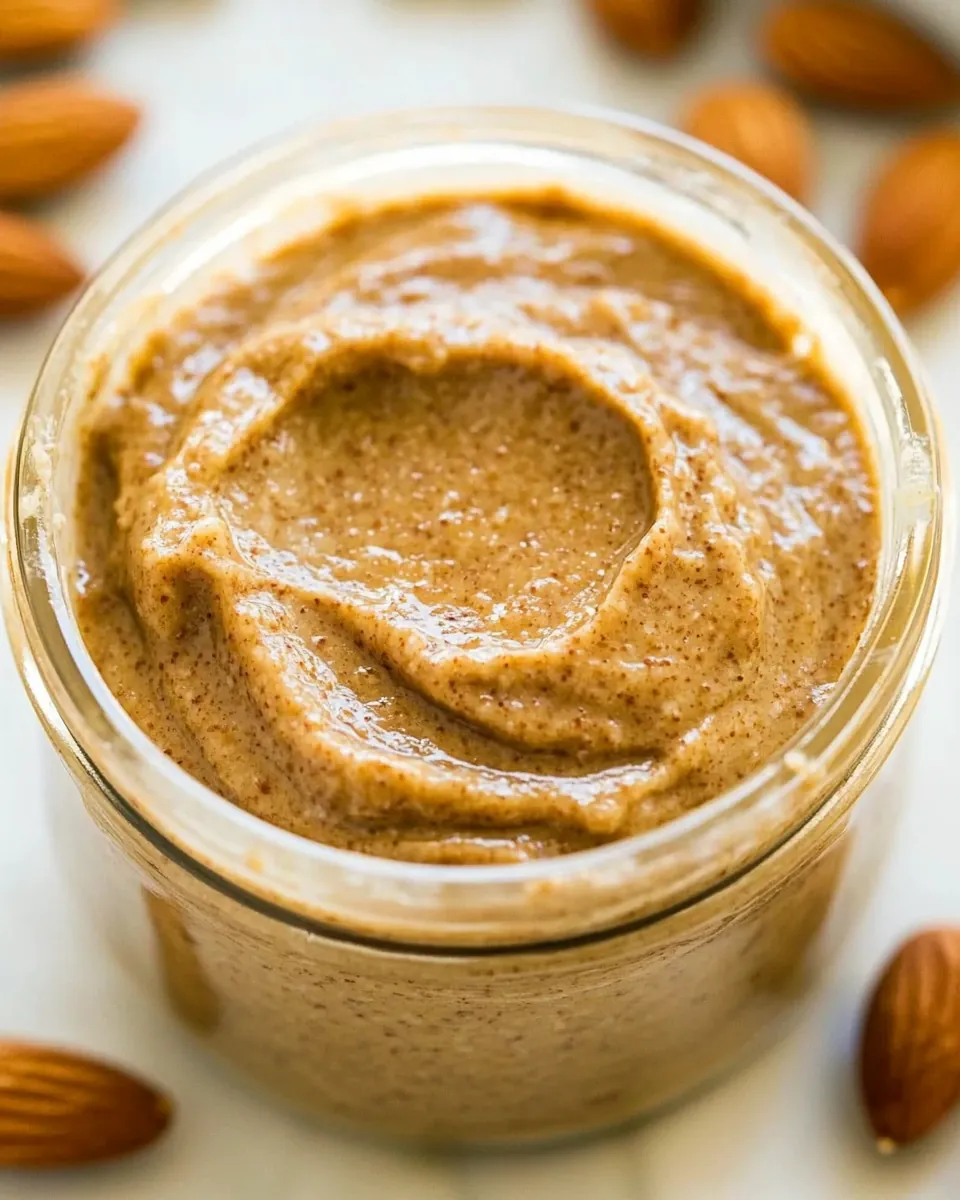
Homemade Almond Butter
Ingredients
Equipment
Method
- To begin with, preheat your oven to 375°F if you are using unroasted almonds. Spread them evenly on a baking sheet. Roasting the almonds enhances their flavor and helps in releasing oils, which result in a creamier butter.
- Once the oven is heated, place the baking sheet in the oven and roast the almonds for 8 to 10 minutes. Stir halfway through to ensure even roasting. You'll notice a lovely nutty aroma filling your kitchen.
- After roasting, take the almonds out of the oven and let them cool for at least 5 minutes. This cooling step is crucial to avoid overheating the food processor when you blend them.
- Next, transfer the cooled almonds into a food processor. Secure the lid tightly, and start processing. Initially, the almonds will break down into a crumbly texture.
- Keep processing for about 5 minutes. At this stage, you might think it’s not working. But trust the process, as the heat will start to release the natural oils from the almonds.
- Scrape down the sides of the food processor with a spatula to ensure all almonds are blended evenly. Continue processing for another 3 to 5 minutes.
- As you blend longer, the almonds will transform into a rough butter. Depending on your preference for texture, you can blend for an additional 3 to 5 minutes until it reaches your desired creaminess.
- When you’re happy with the consistency, transfer your almond butter into a mason jar or airtight container. This is where you can admire your handiwork!
- Finally, store your homemade almond butter in the fridge for up to 1 month, or keep it in the pantry if you plan to use it quickly.
Notes
- Tip 1: Properly stored, almond butter can last for a month. Use airtight jars to keep it fresh.
- Tip 2: Yes, you can freeze almond butter! Scoop it into ice cube trays or freezer-safe containers for easy portioning later.
- Tip 3: Enjoy almond butter with apples, bananas, or spread it on whole-grain toast. It also works beautifully in smoothies or desserts.
- Tip 4: Consider adding spices like cinnamon or nutmeg, or mix in some cocoa powder for a delicious chocolate twist.
- Tip 5: If you prefer a chunky texture, reserve some of the roasted almonds before blending and mix them in afterward.