
Irish Soda Bread
There’s something incredibly comforting about the smell of freshly baked bread wafting through the kitchen, and that feeling becomes even more special when it’s a warm loaf of Irish Soda Bread. Growing up, I remember weekends filled with the delightful routine of my grandmother kneading the dough, her hands dusted with flour, creating this timeless recipe that has been passed down through generations. It was a staple in our home, often enjoyed with a pat of butter or a piece of cheese, and it never failed to bring everyone together around the table. This recipe is not just about the end result; it’s about the memories created while preparing it.
As I grew older, I began to appreciate the beauty of Irish Soda Bread even more. The simplicity of the ingredients allows each component to shine, from the nutty flavor of the flour to the subtle sweetness of the raisins and the distinctive warmth of the caraway seeds. Each bite is a reminder of the traditions that bind us, making it perfect for any occasion, be it a cozy breakfast or a special gathering with friends. So, let’s dive into creating this heartwarming loaf that’s sure to become a cherished part of your own family traditions!
Recipe Snapshot
1 hr 40 mins
25 mins
75 mins
Medium
210 kcal
4 g
Gluten-Free, Low FODMAP
6 g
Oven, Wooden Spoon, Whisk, Blender, Baking Sheet, Skillet, Mixing Bowl
The Charm of This Irish Soda Bread
1. It’s Quick and Easy
One of the best things about Irish Soda Bread is how quickly you can whip it up. Unlike traditional yeast breads that require lengthy rising times, this bread comes together in no time. You’ll be enjoying fresh bread in less than two hours! I love that I can make it on a whim whenever the craving strikes.
2. No Special Equipment Needed
You don’t need fancy equipment or tools to make Irish Soda Bread. A simple bowl, a whisk, and a baking pan are all that’s required. Whether you’re a seasoned baker or just getting started, this recipe is approachable and uncomplicated.
3. Unique Flavor Profile
The combination of raisins and caraway seeds gives this bread a distinctive flavor that’s hard to resist. The sweetness of the raisins complements the earthy tones of the caraway seeds, creating a delightful contrast that keeps you coming back for more. It’s a taste you won’t find in typical white or whole wheat breads!
4. Great for Any Meal
Irish Soda Bread isn’t just for breakfast. It’s a versatile companion for any meal! I often serve it alongside soups and stews, or enjoy it toasted with a bit of jam. The possibilities are endless, making it a staple in my kitchen.
5. Perfect for Sharing
This bread has a rustic charm that makes it perfect for gatherings and celebrations. Whether it’s a holiday dinner or a casual brunch with friends, Irish Soda Bread is sure to impress and bring everyone together. Plus, it’s easy to slice and share!
6. A Taste of Tradition
Baking Irish Soda Bread connects us to the rich culinary traditions of Ireland. It’s a reminder of the past and the simple ingredients that can create something extraordinary. Every loaf tells a story, and being a part of that tradition adds to its charm.
Ingredients for Irish Soda Bread
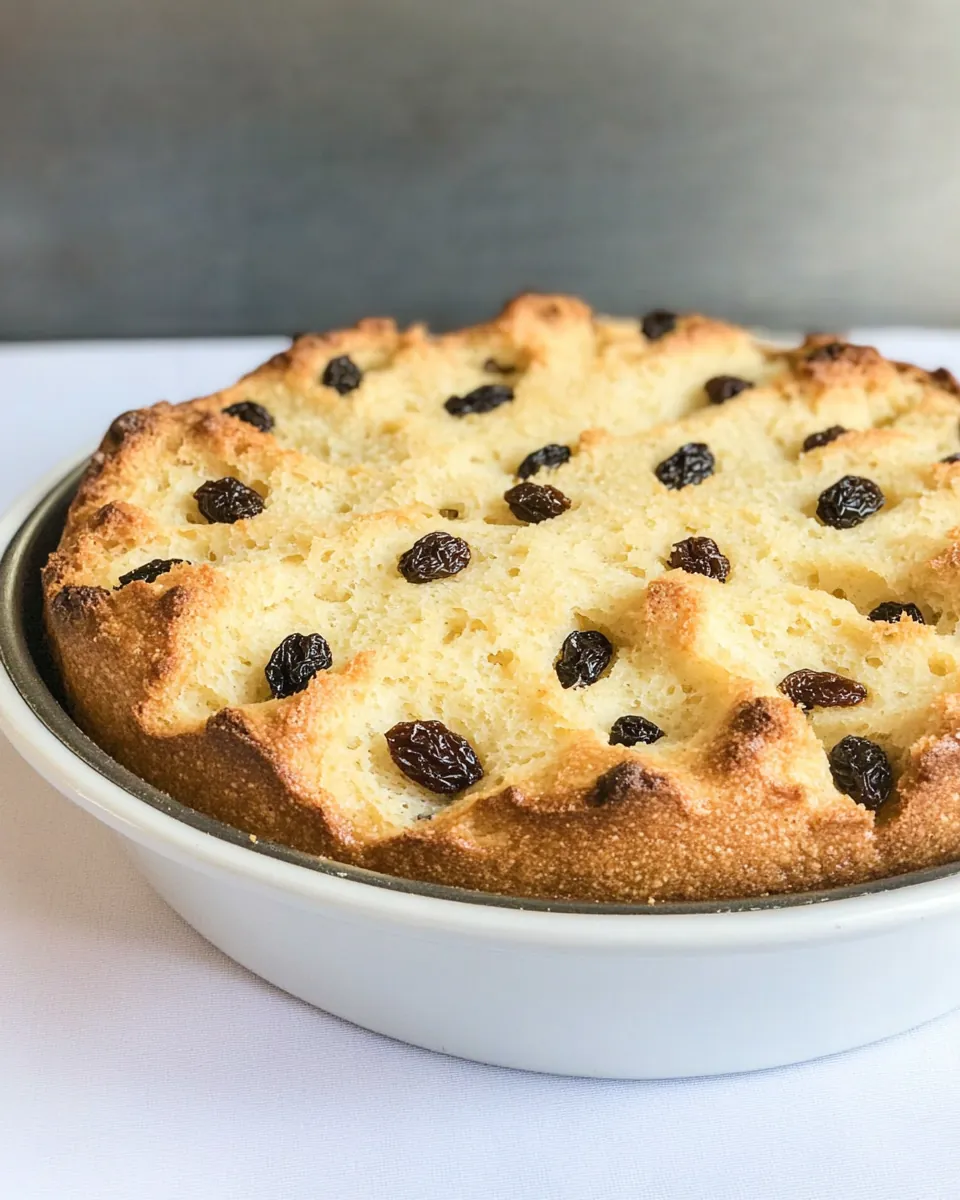
When it comes to baking, the right ingredients make all the difference. In this Irish Soda Bread, we embrace simple, wholesome components that complement each other beautifully. The key players are flour, buttermilk, and baking soda, which work together to create that wonderful rise and texture. Let’s take a closer look at what you’ll need.
- 5 cups Flour (regular, not self-rising or bread): A fundamental ingredient that provides structure to the bread.
- 1 cup Granulated White Sugar: Adds sweetness and helps with browning.
- 1 tablespoon Baking Powder: Gives the bread a little lift.
- 1.5 teaspoons Salt: Essential for flavor enhancement.
- 1 teaspoon Baking Soda: Works with the acidity of buttermilk to help the bread rise.
- 0.5 cup Unsalted Butter (cut into cubes, at room temperature): Adds richness and flavor to the bread.
- 2.5 cups Yellow Raisins: Infuse sweetness and texture.
- 3 tablespoons Caraway Seeds: Imparts a unique flavor that pairs wonderfully with the sweetness of the raisins.
- 2.5 cups Low-Fat Buttermilk: Reacts with baking soda for leavening and adds a tangy flavor.
- 1 large Egg: Binds the ingredients and adds richness.
Step by Step Instructions for Irish Soda Bread
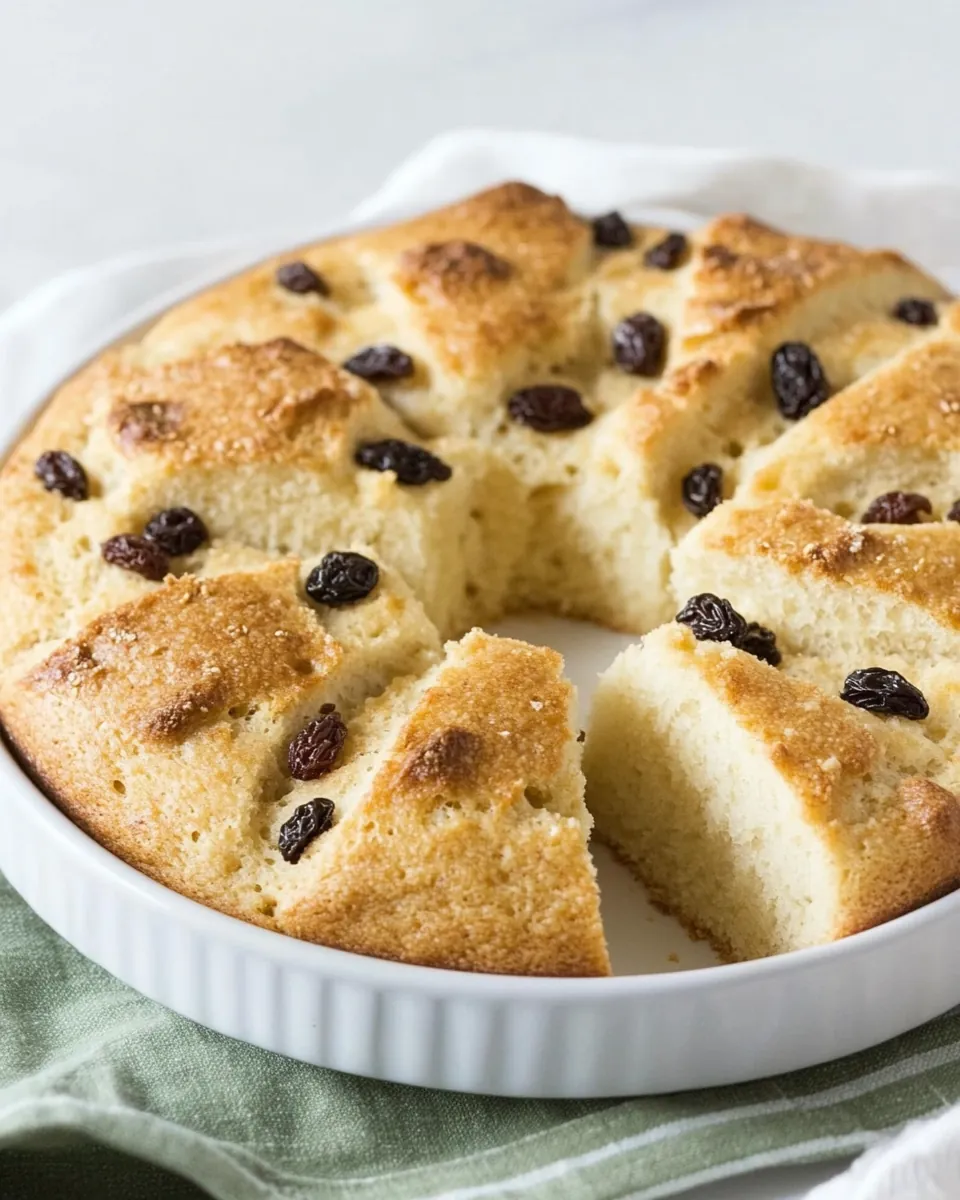
Embarking on the journey of making Irish Soda Bread is straightforward and enjoyable. Each step brings you closer to that delicious loaf, filling your kitchen with tantalizing aromas. Let’s break it down step by step.
First, preheat your oven to 350°F (175°C). This ensures your bread bakes evenly. While the oven is heating, prepare your skillet. Generously butter a 12-inch diameter cast iron skillet that’s at least 2 inches high. This will help prevent sticking and create a lovely crust.
In a large mixing bowl, combine the first five ingredients: flour, granulated sugar, baking powder, salt, and baking soda. Use a whisk to blend them thoroughly, ensuring even distribution. This step is crucial as it helps the bread rise uniformly.
Next, add the unsalted butter cubes to the dry mixture. Using a pastry cutter or your fingers, rub the butter into the mixture until it resembles coarse crumbs. This process creates a tender crumb structure in your bread.
Once the butter is incorporated, stir in the yellow raisins and caraway seeds. These additions will contribute to the flavor and texture, creating pockets of sweetness and a slight crunch.
In a separate medium bowl, whisk together the buttermilk and egg until well combined. The acidity of the buttermilk is essential for activating the baking soda, allowing your bread to rise beautifully.
Pour the buttermilk mixture into the dry ingredients, using a rubber spatula to fold everything together. Stir gently until just combined. Be careful not to overmix; the dough will be wet and sticky, which is exactly what you want!
Transfer the sticky dough into the prepared skillet. Use a spatula to smooth the top, making it slightly mounded in the center. This will help achieve an even bake while giving it that lovely rustic look.
Take a knife dipped in flour and make a criss-cross pattern that’s about one inch deep in the center of the dough. This traditional scoring technique helps the bread bake evenly and allows steam to escape.
Place the skillet in your preheated oven and bake for approximately 65 to 75 minutes. Keep an eye on it; when a toothpick inserted into the center comes out clean, it’s done. The crust should be golden brown and firm to the touch.
Once baked, remove the skillet from the oven and allow the bread to cool in the skillet for 15 minutes. After this, turn it out onto a wire rack to cool completely. This cooling period helps the texture set properly.
Things Worth Knowing
- Watch the Dough: The dough should be wet but manageable. If it feels too dry, a splash of extra buttermilk can help.
- Choosing the Right Skillet: A cast iron skillet works wonderfully for even heat distribution, but any oven-safe pan will do.
- Flavor Variations: Feel free to experiment with different dried fruits or seeds according to your preference.
- Storage Tips: To keep your bread fresh, wrap it tightly in foil or store it in a large ziplock bag at room temperature.
Helpful Notes about Irish Soda Bread
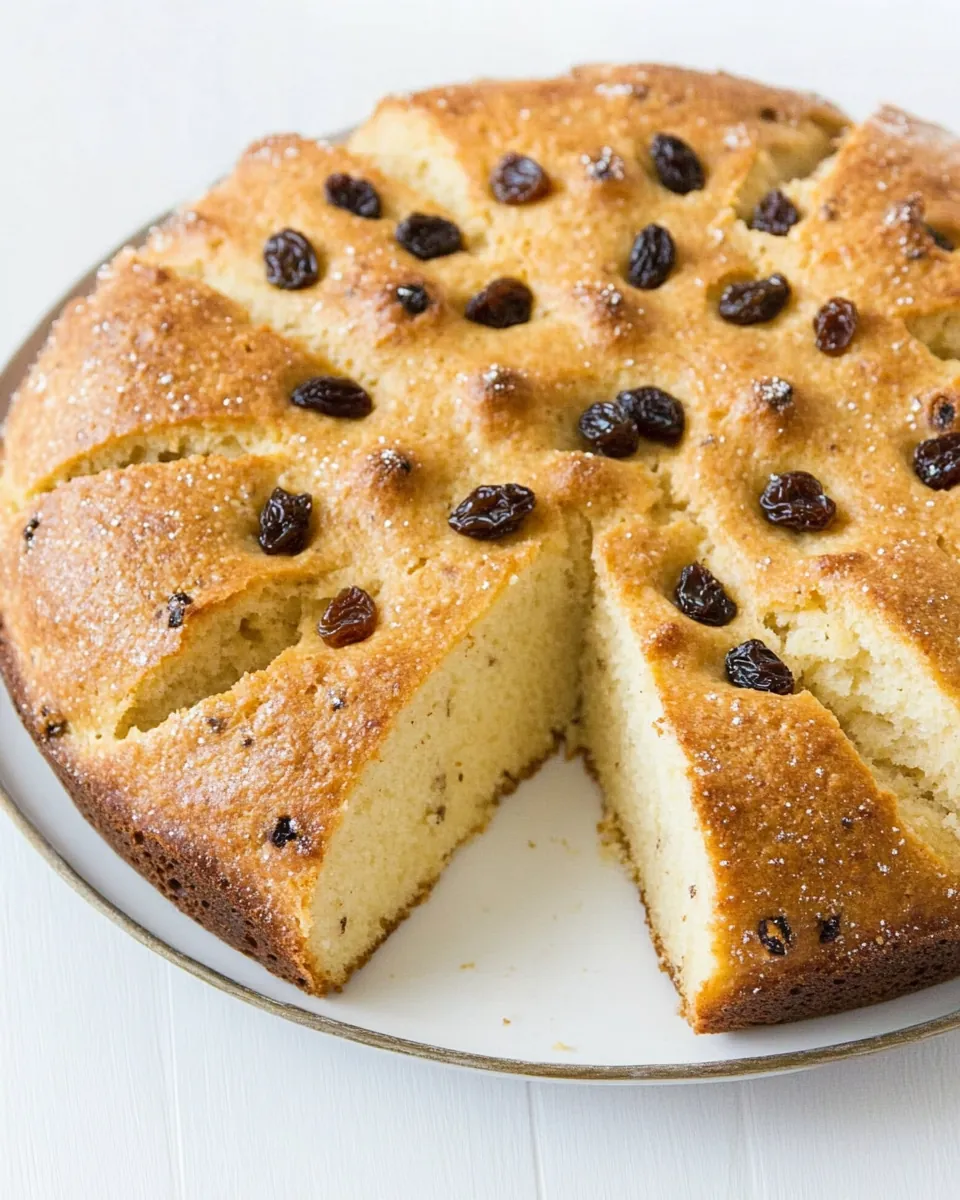
As you prepare to bake your own Irish Soda Bread, here are some helpful tips that can enhance your experience and the end result.
- Storage: If you have leftovers, store your bread wrapped tightly in foil or a ziplock bag. It will stay fresh at room temperature for a day or two.
- Freezing: You can freeze Irish Soda Bread for up to three months. Just slice it before freezing for easy access later!
- Pairing: This bread pairs wonderfully with soups, stews, or simply a spread of butter and jam for a delightful snack.
- Serving Suggestions: Consider serving your Irish Soda Bread at brunch with a selection of cheeses, or alongside your favorite winter soup.
- Experimenting with Flavors: Don’t hesitate to mix in nuts, different types of dried fruits, or spices to customize the flavor to your liking.
How to Serve Irish Soda Bread
When it comes to serving your homemade Irish Soda Bread, there are countless ways to enjoy this delicious loaf. Here are some of my favorite suggestions:
- Perfect for Breakfast: Slice the bread and serve it warm with butter and your choice of jam. It’s a delightful way to start your day!
- As a Side Dish: Pair slices of Irish Soda Bread with hearty soups or stews. It’s perfect for soaking up flavorful broths.
- For Afternoon Tea: Serve with a selection of cheeses and fruits for a charming afternoon tea spread.
- Holiday Gatherings: This bread makes a lovely centerpiece for holiday dinners. Guests will appreciate the homemade touch!
- Snack Time: Enjoy it as a snack throughout the day. It’s filling and satisfying on its own or with a cup of tea.
- Storage Tips: If you have leftovers, wrap the bread tightly to maintain its freshness. It also freezes well for future enjoyment.
FAQ
Conclusion
The beauty of Irish Soda Bread lies in its simplicity and the warmth it brings to any table. It’s not just about the ingredients; it’s about the memories made while baking and sharing it with loved ones. I encourage you to try making this easy and nostalgic loaf at home. You’ll find that each bite is filled with flavor and tradition, making it the perfect addition to your family recipes.
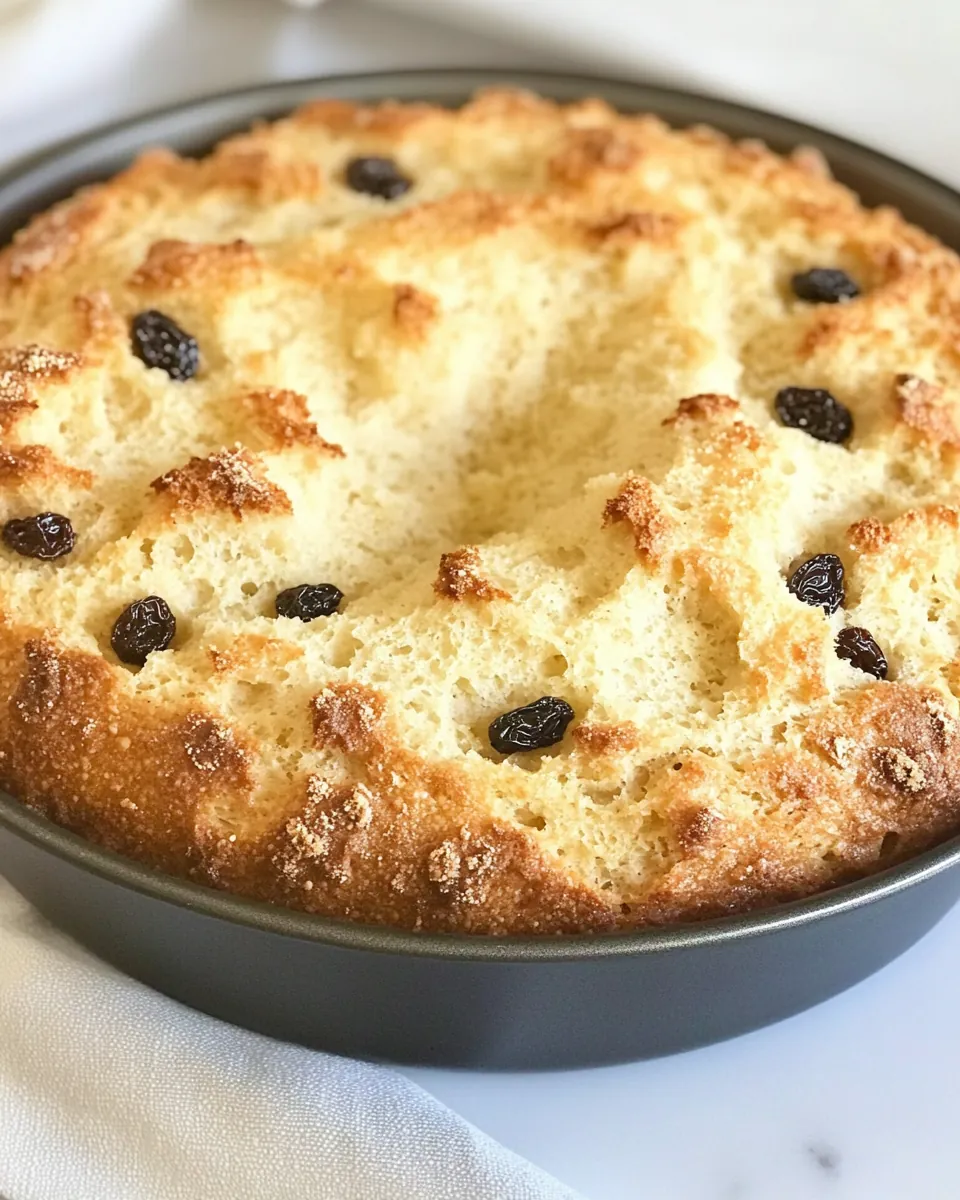
Irish Soda Bread
Ingredients
Equipment
Method
- First, preheat your oven to 350°F (175°C). This ensures your bread bakes evenly. While the oven is heating, prepare your skillet. Generously butter a 12-inch diameter cast iron skillet that’s at least 2 inches high. This will help prevent sticking and create a lovely crust.
- In a large mixing bowl, combine the first five ingredients: flour, granulated sugar, baking powder, salt, and baking soda. Use a whisk to blend them thoroughly, ensuring even distribution. This step is crucial as it helps the bread rise uniformly.
- Next, add the unsalted butter cubes to the dry mixture. Using a pastry cutter or your fingers, rub the butter into the mixture until it resembles coarse crumbs. This process creates a tender crumb structure in your bread.
- Once the butter is incorporated, stir in the yellow raisins and caraway seeds. These additions will contribute to the flavor and texture, creating pockets of sweetness and a slight crunch.
- In a separate medium bowl, whisk together the buttermilk and egg until well combined. The acidity of the buttermilk is essential for activating the baking soda, allowing your bread to rise beautifully.
- Pour the buttermilk mixture into the dry ingredients, using a rubber spatula to fold everything together. Stir gently until just combined. Be careful not to overmix; the dough will be wet and sticky, which is exactly what you want!
- Transfer the sticky dough into the prepared skillet. Use a spatula to smooth the top, making it slightly mounded in the center. This will help achieve an even bake while giving it that lovely rustic look.
- Take a knife dipped in flour and make a criss-cross pattern that’s about one inch deep in the center of the dough. This traditional scoring technique helps the bread bake evenly and allows steam to escape.
- Place the skillet in your preheated oven and bake for approximately 65 to 75 minutes. Keep an eye on it; when a toothpick inserted into the center comes out clean, it’s done. The crust should be golden brown and firm to the touch.
- Once baked, remove the skillet from the oven and allow the bread to cool in the skillet for 15 minutes. After this, turn it out onto a wire rack to cool completely. This cooling period helps the texture set properly.
Notes
- Tip 1: This bread may be prepared one day ahead. Wrap tightly in foil or an extra large ziploc; store at room temperature.