Natural Easter Egg Dye
There’s something magical about Easter, especially when it comes to decorating eggs with vibrant colors. In my family, the tradition of dyeing eggs has become a cherished moment during the spring season. This is where my love for Natural Easter Egg Dye truly shines. Every year, we gather around the kitchen table, armed with hard-boiled eggs and an array of natural dyes crafted from fruits and vegetables. The excitement in the air is palpable as we anticipate the creative possibilities ahead. Each color holds a story, from the deep blues made with red cabbage to the cheerful yellows from turmeric. It’s a colorful adventure that not only brings our family together but also nurtures our connection to nature, teaching us about the beauty of natural ingredients.
Recipe Snapshot
1 hr 30 mins
30 mins
60 mins
Medium
70 kcal
6 g
Paleo, Whole30, Vegan
4 g
Wooden Spoon, Food Processor, Mixing Bowl, Large Pot
The Beauty of This Natural Easter Egg Dye
Colorful Memories
What I love most about Natural Easter Egg Dye is the nostalgia it brings. Each spring, we revisit the excitement and creativity of our childhoods. Watching the eggs transform into a spectrum of colors right before our eyes is incredibly rewarding. Using natural ingredients rather than artificial dyes is not only healthier but also connects us to the earth.
Eco-Friendly Fun
In a world where sustainability is crucial, using natural dyes is an eco-friendly choice. It’s amazing how we can create beautiful colors from items we may already have in our pantry. It’s a gentle reminder to reduce waste and embrace what nature offers.
Safety First
Another reason I adore this method is that it’s safe for everyone, including kids. There are no harsh chemicals involved, making it a perfect activity for families. I feel good knowing that my children can enjoy this tradition without any worries about harmful substances.
Custom Creations
Each egg you dye can become a unique work of art. This adds a personal touch, as no two eggs will ever look the same. With different ingredients, you can experiment to find the shades that resonate with you. Your imagination is the only limit!
Perfect for All Occasions
While Easter is the highlight, you can use this dyeing method for any celebration. Whether it’s a spring gathering or simply a creative afternoon, Natural Easter Egg Dye can brighten any occasion and bring joy.
Family Bonding
Finally, this process fosters togetherness. It’s more than just dyeing eggs; it’s about creating memories and learning together. As we laugh, share stories, and watch the eggs transform, we strengthen our family bonds, making every Easter a cherished event.
Natural Easter Egg Dye Shopping List
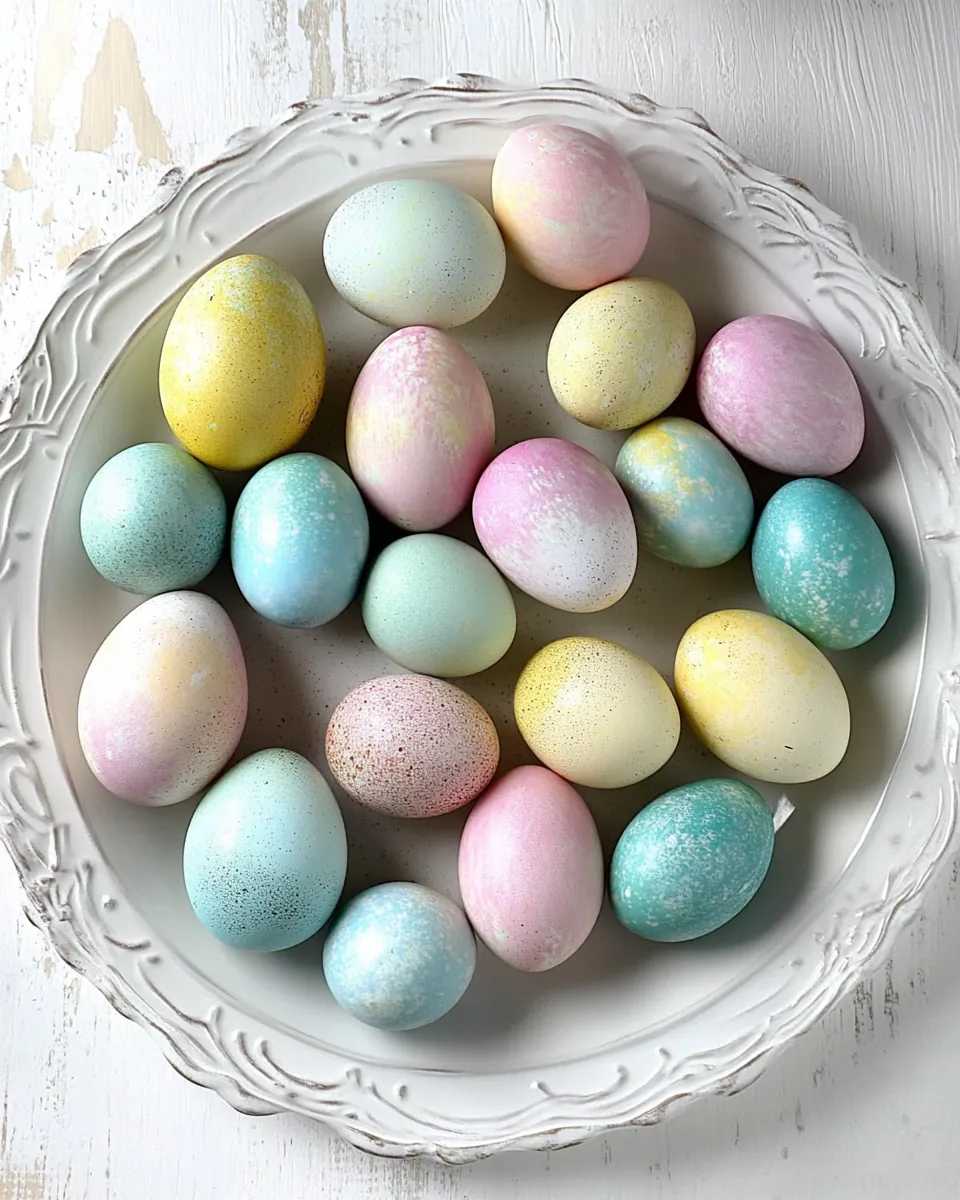
To create your own natural dyes, you’ll need simple, wholesome ingredients. These items work harmoniously to produce vibrant colors that are safe and fun to use. The star players in this delightful activity include fruits and vegetables, which not only impart color but add a touch of nature’s beauty to your creations.
- One dozen hard-boiled white eggs: The canvas for your colorful masterpieces.
- 1 teaspoon olive oil (optional): For adding a lovely sheen to your finished eggs.
- 1/2 head red cabbage (cut into 1/8ths, about 1 pound): Creates a stunning blue hue.
- 2 cups water: The essential medium for your dyes.
- 1 tablespoon white vinegar: Helps to set the colors and enhance the dye.
- 2 teaspoons ground turmeric: Yields a beautiful, sunny yellow.
- 1 medium beet (washed and quartered): For a vibrant pink shade.
Instructions for Natural Easter Egg Dye
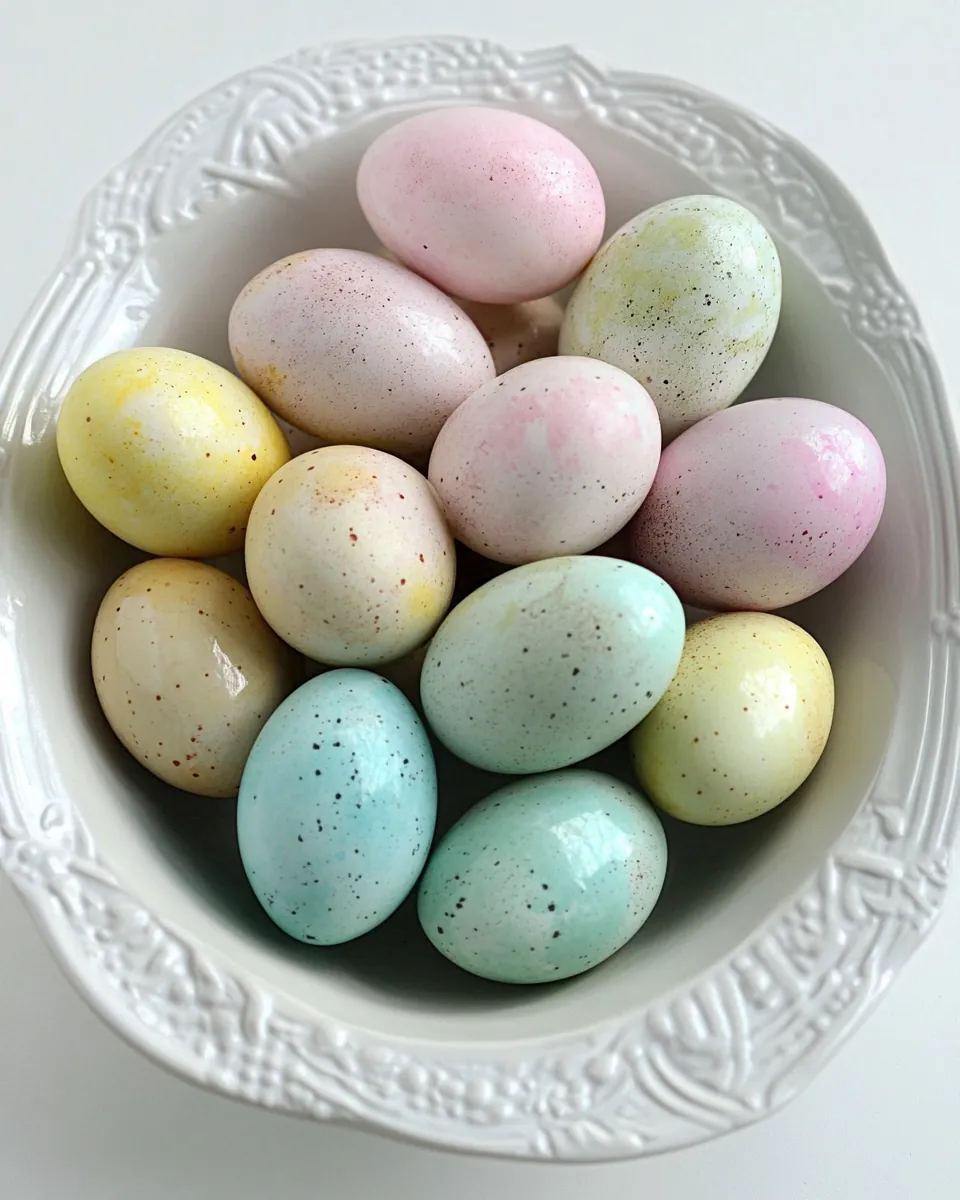
Now that you’ve gathered your ingredients, it’s time to dive into the fun of dyeing! Follow these simple steps to create beautiful, colorful eggs that will brighten up your Easter. Remember, the process is a joy in itself!
- Before starting the actual egg-dying process, I recommend preparing a safe area to handle these highly-staining dyes – they will mark everything from clothes to kitchen counters! So be sure to cover your table or counter with plastic, an old throw-away tablecloth, or lots of newspapers before beginning.
- Place cabbage and water in a medium-sized pot over high heat. Bring to a boil, then cover and remove from heat. Let sit for 1 hour. Pour mixture through a colander to remove cabbage; discard solids. Stir in vinegar. Your dye is ready to use.
- To dye, fill a narrow glass or mason jar about half full with dye, and gently lower in a hard-boiled egg. Let sit for about 20 minutes, turning occasionally. Note: the egg will appear lavender when you first remove it from the dye, but the shade should transform to a more blue-ish shade within a few minutes.
- Place turmeric and water in a medium-sized pot over high heat. Bring to a boil. Remove from heat and cover. Let sit until cool. Stir in vinegar. Your dye is ready to use.
- Fill a narrow glass or mason jar about half full with the dye, and gently lower in a hard-boiled egg. Let sit for about 30 minutes, turning occasionally, until you’ve reached the shade of pale yellow that you desire.
- Place beet and water in a medium-sized pot over high heat. Bring to a boil. Cover and remove from heat. Let sit for 60 minutes. Drain through a colander to remove beet pieces and discard solids. Stir in vinegar. Your dye is ready!
- To dye, fill a narrow glass or mason jar about half full with the dye, and gently lower in a hard-boiled egg. Let sit for about 2 minutes, turning occasionally, until you’ve reached the shade of pink that you desire.
- Using a slotted spoon, carefully remove the eggs from the dye and set them in a shallow bowl. Or if you have wire egg holders, now is a great time to use them! Turn the eggs occasionally to help them dry, which should take about 20 minutes or so. Once they’re mostly dry, wipe off any excess dye with a paper towel.
- If desired, gently rub a little olive oil onto each egg to add a bit of a pretty sheen.
- Keep your eggs in the refrigerator just as you would any hard-boiled eggs!
Things Worth Knowing
- Color Variations: Different fruits and vegetables will yield unique colors. Experiment with other ingredients like onion skins or spinach for more hues.
- Safety Precautions: These dyes are safe, but be sure to keep them away from clothes to avoid staining.
- Storage: Store dyed eggs in the fridge and consume within a week for the best flavor and safety.
- Natural vs. Synthetic: Natural dyes may not be as vibrant as synthetic ones, but the charm lies in their organic origins.
Variations to Try
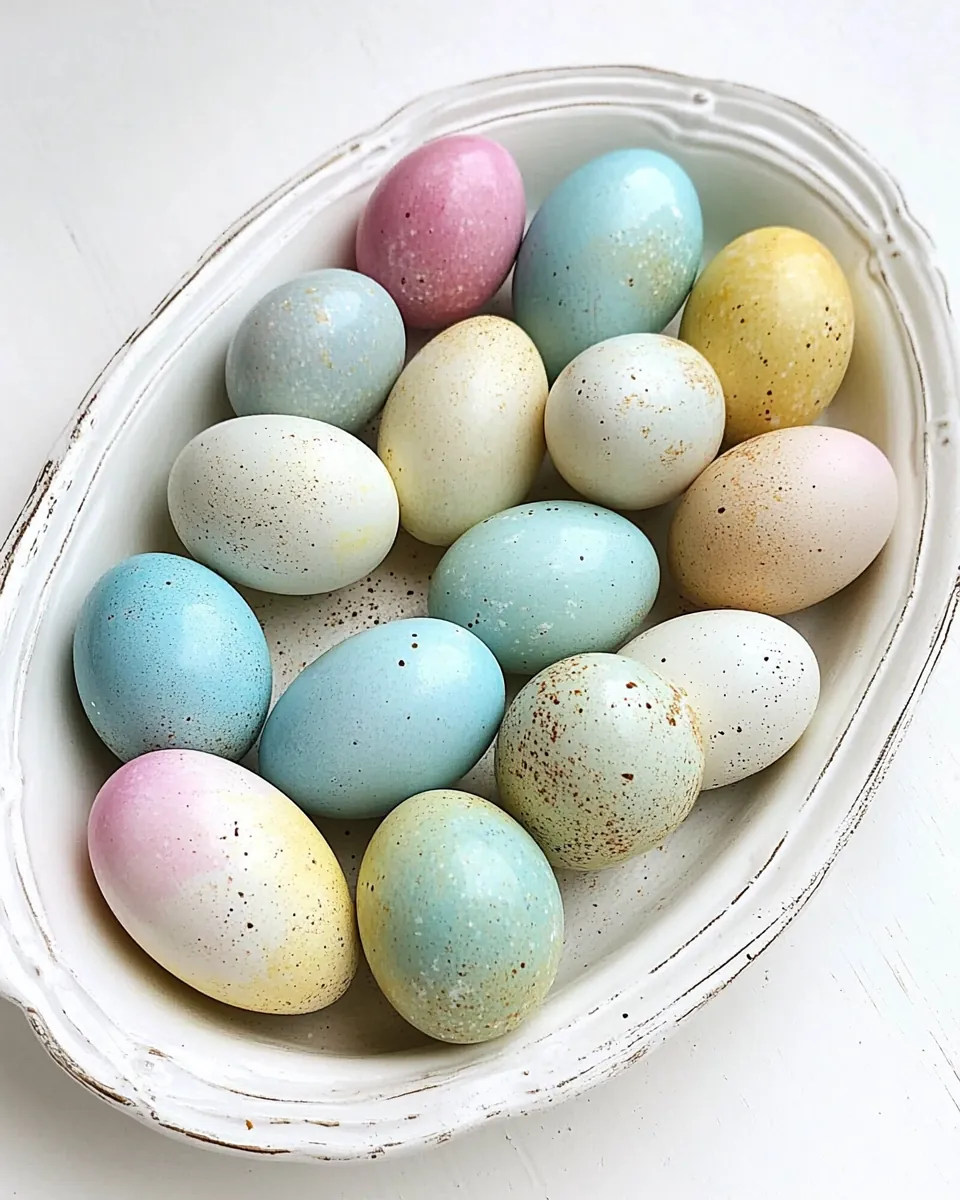
If you’re looking to switch things up with your Natural Easter Egg Dye experience, there are numerous variations you can explore. Here are some fun tips to inspire your creativity!
- Mixing Dyes: Combine different vegetable dyes for unique shades. For example, try blending turmeric with beet for a soft orange hue.
- Add Spices: Use spices like cinnamon or paprika to create warm tones and add a delightful scent.
- Pattern Play: Use rubber bands or stickers on the eggs before dyeing to create cool patterns once the dye is applied.
- Layering Colors: For a multi-colored effect, dye the eggs in one color, dry them, and then dip them in another color for a fun layered look.
- Natural Additions: Experiment with other natural materials like coffee grounds or tea for soft, earthy tones.
- Edible Decorations: Use edible markers to draw on your dyed eggs for personalized messages or designs.
- Theme Colors: Coordinate your dye colors with specific holidays like Easter pastels or autumn tones for fall celebrations.
Accompaniments for Natural Easter Egg Dye
To really bring your Natural Easter Egg Dye activity to life, consider some fun accompaniments that complement the colorful eggs you’ve created. Here are a few ideas:
- Spring Salads: Pair your dyed eggs with fresh spring salads loaded with greens and colorful vegetables.
- Brunch Buffets: Serve your beautifully dyed eggs at a festive brunch buffet, alongside pastries and fresh fruits.
- Picnic Treats: Include the dyed eggs in picnic baskets for a fun, interactive meal outdoors with family and friends.
- Decorative Displays: Create beautiful centerpieces with your dyed eggs for decorations during spring celebrations.
- Fun Egg Hunts: Organize an egg hunt where participants can search for your decorated creations, adding excitement to any gathering.
- Seasonal Treats: Complement the eggs with seasonal treats like carrot cake or lemon meringue pie for a full spring-themed feast.
- Storage Tips: Keep your dyed eggs in a cool place or the fridge to maintain their freshness. They should be eaten within a week!
FAQ
Conclusion
The beauty of Natural Easter Egg Dye lies not only in the vibrant colors it produces but also in the memories created during the process. I encourage you to try this method as it brings family and friends together while fostering creativity. Embrace the natural ingredients and enjoy the fun of decorating eggs, creating a meaningful tradition that everyone will cherish. So gather your eggs and start dyeing today!
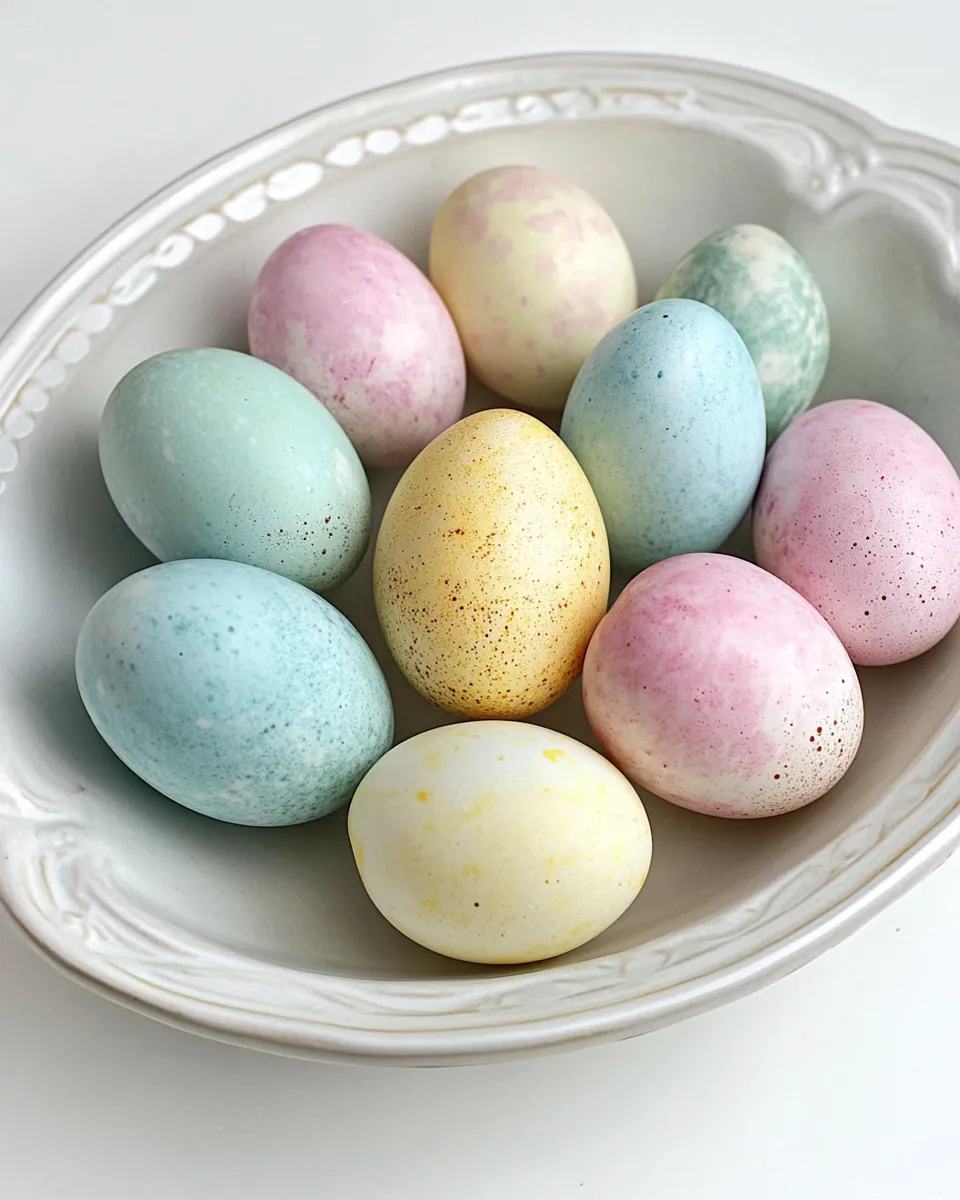
Natural Easter Egg Dye
Ingredients
Equipment
Method
- Before starting the actual egg-dying process, I recommend preparing a safe area to handle these highly-staining dyes – they will mark everything from clothes to kitchen counters! So be sure to cover your table or counter with plastic, an old throw-away tablecloth, or lots of newspapers before beginning.
- Place cabbage and water in a medium-sized pot over high heat. Bring to a boil, then cover and remove from heat. Let sit for 1 hour. Pour mixture through a colander to remove cabbage; discard solids. Stir in vinegar. Your dye is ready to use.
- To dye, fill a narrow glass or mason jar about half full with dye, and gently lower in a hard-boiled egg. Let sit for about 20 minutes, turning occasionally. Note: the egg will appear lavender when you first remove it from the dye, but the shade should transform to a more blue-ish shade within a few minutes.
- Place turmeric and water in a medium-sized pot over high heat. Bring to a boil. Remove from heat and cover. Let sit until cool. Stir in vinegar. Your dye is ready to use.
- Fill a narrow glass or mason jar about half full with the dye, and gently lower in a hard-boiled egg. Let sit for about 30 minutes, turning occasionally, until you’ve reached the shade of pale yellow that you desire.
- Place beet and water in a medium-sized pot over high heat. Bring to a boil. Cover and remove from heat. Let sit for 60 minutes. Drain through a colander to remove beet pieces and discard solids. Stir in vinegar. Your dye is ready!
- To dye, fill a narrow glass or mason jar about half full with the dye, and gently lower in a hard-boiled egg. Let sit for about 2 minutes, turning occasionally, until you’ve reached the shade of pink that you desire.
- Using a slotted spoon, carefully remove the eggs from the dye and set them in a shallow bowl. Or if you have wire egg holders, now is a great time to use them! Turn the eggs occasionally to help them dry, which should take about 20 minutes or so. Once they’re mostly dry, wipe off any excess dye with a paper towel.
- If desired, gently rub a little olive oil onto each egg to add a bit of a pretty sheen.
- Keep your eggs in the refrigerator just as you would any hard-boiled eggs!
Notes
- Storage: Store dyed eggs in the fridge and consume within a week for the best flavor and safety.
- Natural vs. Synthetic: Natural dyes may not be as vibrant as synthetic ones, but the charm lies in their organic origins.
- Safety Precautions: These dyes are safe, but be sure to keep them away from clothes to avoid staining.
- Color Variations: Different fruits and vegetables will yield unique colors. Experiment with other ingredients like onion skins or spinach for more hues.
- Fun Egg Hunts: Organize an egg hunt where participants can search for your decorated creations.