
Chicken Stock
There’s something incredibly comforting about homemade Chicken Stock. I remember the first time I made it. It was a chilly evening, and I had just returned from the market with fresh vegetables and a rotisserie chicken. As I pulled the last bits of meat from the bones, I realized I was creating something special. The aroma of simmering chicken, aromatic vegetables, and spices filled my kitchen, wrapping me in warmth and nostalgia. This wasn’t just a recipe; it was a ritual. Every sip of that rich, golden broth felt like a warm hug from the inside, reminding me of family gatherings and hearty meals. Whether it’s for a cozy soup or a base for sauces, making Chicken Stock is an essential skill that transforms everyday cooking into something extraordinary.
Recipe Snapshot
2 hr 15 mins
15 mins
120 mins
Hard
75 kcal
5 g
Keto, Paleo, Whole30
3 g
Fine Mesh Strainer, Large pot
What’s Great About This Chicken Stock
Why do I adore making Chicken Stock? Let me share some reasons that make this recipe truly special.
Rich Flavor
One of the primary reasons I love making Chicken Stock is the depth of flavor it brings to dishes. The combination of roasted chicken bones, vibrant veggies, and aromatic herbs creates a base that elevates any meal. It’s like liquid gold, enhancing soups, stews, and sauces.
Ultimate Comfort
Nothing feels more comforting than a warm bowl of soup made with homemade stock. It has a heartwarming quality, often associated with family dinners and gatherings. When I sip it, I can’t help but feel nostalgic and cared for.
Versatility
This Chicken Stock is incredibly versatile. You can use it in countless recipes, from risottos to sauces. It’s perfect for both complex dishes and simple weeknight meals. The possibilities are endless, making it a staple in my kitchen.
Health Benefits
Homemade Chicken Stock is not just delicious; it’s also packed with nutrients. The simmering process extracts minerals from the bones, and the vegetables add vitamins. It’s a wonderful way to boost your health while savoring something delightful.
Waste Not, Want Not
Using leftover chicken bones and vegetable scraps is a fantastic way to reduce waste. I love knowing that I’m utilizing every part of the ingredients I buy. It makes me feel like I’m cooking with purpose.
Simple Ingredients
With just a handful of ingredients, you can create something magical. Chicken bones, onions, carrots, and celery come together to create a rich and flavorful broth. It’s a reminder that great things often come from simplicity.
What Goes Into Chicken Stock

Creating the perfect Chicken Stock starts with understanding the ingredients. Each component plays a vital role in developing the flavor and richness of the stock. The key players here include tender rotisserie chicken, fresh vegetables, and fragrant herbs that harmonize beautifully.
- Rotisserie Chicken: The backbone of a great stock. Not only does it impart flavor, but it also provides nutrients. Be sure to use the bones and skin, which add depth to the broth.
- Celery: This aromatic vegetable adds a fresh, earthy flavor to the stock. It’s essential for that homey taste.
- Carrots: Sweet and colorful, carrots contribute a hint of sweetness that balances the stock.
- Onions: These provide a savory base that is fundamental in many dishes. Their flavor mellows beautifully when simmered.
- Bay Leaves: Bay leaves add a subtle, herbal flavor that rounds out the taste of the stock.
- Dried Rosemary: This adds a fragrant woodsy note, enhancing the overall aroma of the stock.
- Dried Thyme: Thyme introduces a slight earthiness, perfect for a comforting broth.
- Peppercorns: Whole peppercorns add warmth without overwhelming the stock with spiciness.
- Cold Water: The medium for extraction. Cold water helps to draw out the flavors as it heats, creating a rich stock.
- Better than Bouillon Chicken Paste: This concentrated paste enhances the flavors of your stock, making it richer and more satisfying.
Cooking Method for Chicken Stock

Making Chicken Stock is a simple yet rewarding process that fills your kitchen with delightful aromas. Gather your ingredients and let’s begin this comforting journey together!
- Start by taking your rotisserie chicken and remove the meat, leaving just the bones and skin. This is where the magic begins. Place the chicken bones into a large pot, ensuring that you get every bit of goodness.
- Next, chop your celery, carrots, and onions into chunks. Don’t worry about making them look perfect; they’ll be strained out later. Add these vibrant vegetables to the pot, layering them with the bones.
- Now, it’s time to season! Toss in the bay leaves, dried rosemary, dried thyme, and whole peppercorns. These herbs will infuse the stock with their aromatic qualities as it simmers.
- Pour in about eight cups of cold water, covering the ingredients. Cold water is crucial as it helps extract flavors more effectively.
- Place the pot on the stove over medium heat and slowly bring the mixture to a boil. As it heats, you’ll notice some foam rising to the surface. This is normal—just skim it off with a spoon. It helps keep your stock clear.
- Once boiling, reduce the heat to low, cover the pot, and let it simmer gently. The key here is patience; let it simmer for at least two hours, but longer if you can. This allows all those rich flavors to meld beautifully.
- After your stock has simmered to perfection, remove it from the heat. Allow it to cool slightly before straining.
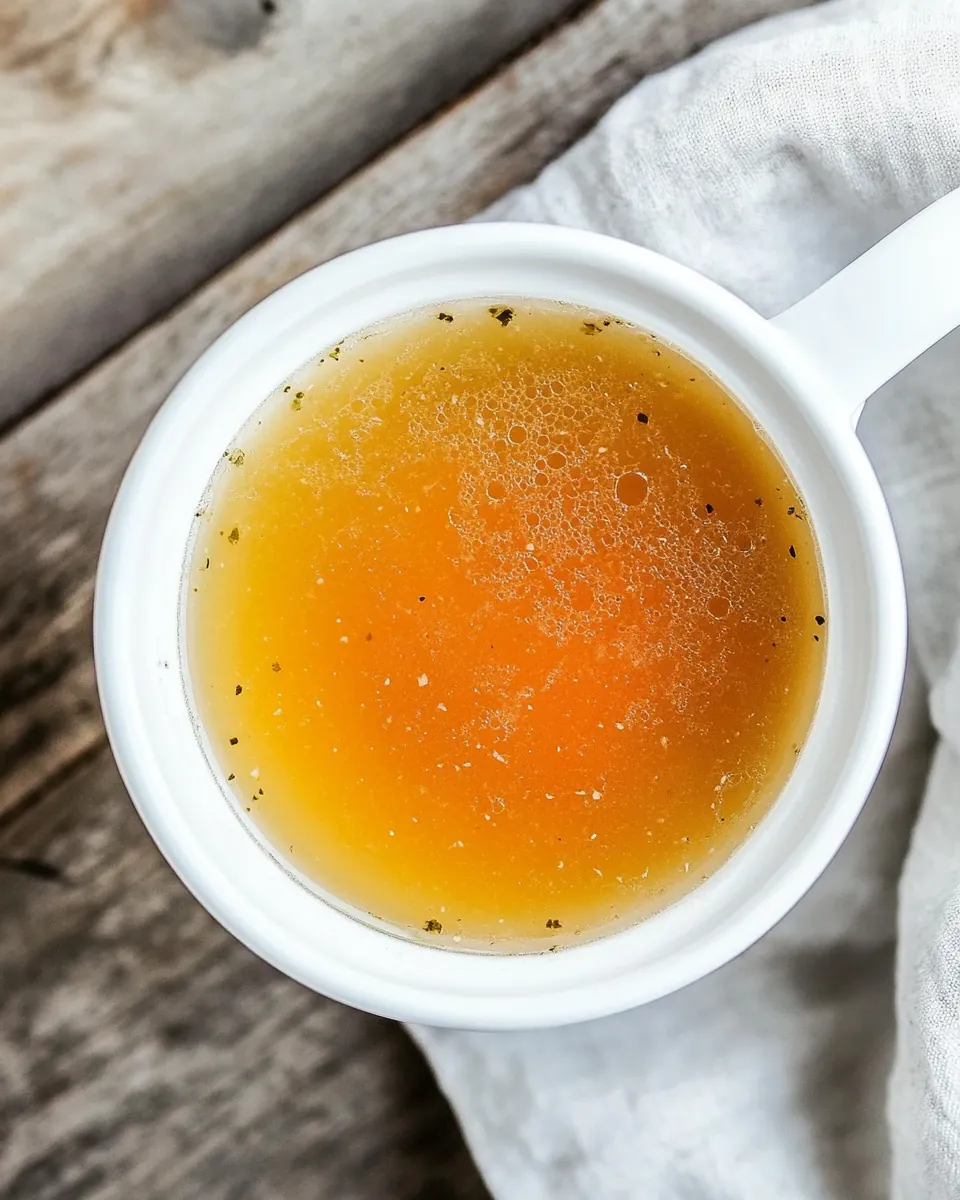
- Using a fine mesh strainer, carefully pour the stock through, discarding the solids. You should only have a lovely, golden liquid left. This is your homemade Chicken Stock.
- For an added depth of flavor, season your stock with the Better than Bouillon Chicken Paste. Taste and adjust as necessary.
- Store your freshly made stock in the refrigerator for up to three to four days. If you’re not using it right away, consider freezing it in batches for future use.
Things Worth Knowing
- Simmering Time: The longer you simmer your stock, the richer it becomes. If you have the time, let it go for six hours or more.
- Storage Tips: Always cool your stock before refrigerating it. This prevents bacterial growth and keeps it safe for consumption.
- Skimming Fat: After refrigerating, you can skim off the fat that rises to the top for a cleaner stock, or use it if you like the flavor it adds.
- Flavor Boosting: Feel free to adjust the herbs according to your preference. More thyme or a dash of parsley can change the profile entirely.
Substitutions and Tips
Here are some useful tips to ensure you get the best out of your Chicken Stock experience!
- Storage: Homemade stock can be stored in the fridge for up to four days. Make sure it’s in an airtight container to maintain freshness.
- Freezing: For longer storage, freeze your stock in freezer-safe bags or containers. Date them for easy tracking. They can last for up to three months.
- Pairing: Use your stock as a base for soups, risottos, or sauces. It’s a fantastic way to enhance flavor in many dishes.
- Ingredient Substitution: If you don’t have a specific herb, don’t worry! You can swap in others that you have on hand while keeping the core ingredients.
- Texture: Your stock might develop a gelatin-like texture when cooled, which is perfectly normal. It will liquefy once reheated.
Perfect Pairings for Chicken Stock
When it comes to serving your homemade Chicken Stock, there are countless delightful ways to enjoy it.
- Hearty Soups: Use your Chicken Stock as a base for comforting soups like chicken noodle or vegetable soup. It provides a rich, flavorful backdrop.
- Rices and Grains: Cook grains such as rice or quinoa in your stock instead of plain water for an extra layer of flavor.
- Sauces: This stock is perfect for deglazing pans after cooking meats. It enhances sauces beautifully.
- Seasonal Dishes: Use it for seasonal recipes like autumn pumpkin soup or spring vegetable stew, adapting the ingredients based on what’s fresh.
- Freezing for Future Meals: Batch-cook your stock and freeze it in smaller portions. This way, you always have some on hand for quick meals.
- Special Occasions: Serve your stock in a fancy bowl for holidays or family gatherings, offering your guests a taste of homemade goodness.
FAQ
Conclusion
Homemade Chicken Stock is truly a kitchen essential that adds depth and flavor to countless dishes. I encourage you to try making it from scratch and enjoy the warmth and comfort it brings to your cooking. Each batch is a lesson in flavor and a step toward elevating your culinary creations. Give it a go, and you’ll find yourself reaching for that homemade stock time and time again.

Chicken Stock
Ingredients
Equipment
Method
- Start by taking your rotisserie chicken and remove the meat, leaving just the bones and skin. This is where the magic begins. Place the chicken bones into a large pot, ensuring that you get every bit of goodness.
- Next, chop your celery, carrots, and onions into chunks. Don’t worry about making them look perfect; they’ll be strained out later. Add these vibrant vegetables to the pot, layering them with the bones.
- Now, it’s time to season! Toss in the bay leaves, dried rosemary, dried thyme, and whole peppercorns. These herbs will infuse the stock with their aromatic qualities as it simmers.
- Pour in about eight cups of cold water, covering the ingredients. Cold water is crucial as it helps extract flavors more effectively.
- Place the pot on the stove over medium heat and slowly bring the mixture to a boil. As it heats, you’ll notice some foam rising to the surface. This is normal—just skim it off with a spoon. It helps keep your stock clear.
- Once boiling, reduce the heat to low, cover the pot, and let it simmer gently. The key here is patience; let it simmer for at least two hours, but longer if you can. This allows all those rich flavors to meld beautifully.
- After your stock has simmered to perfection, remove it from the heat. Allow it to cool slightly before straining.
- Using a fine mesh strainer, carefully pour the stock through, discarding the solids. You should only have a lovely, golden liquid left. This is your homemade Chicken Stock.
- For an added depth of flavor, season your stock with the Better than Bouillon Chicken Paste. Taste and adjust as necessary.
- Store your freshly made stock in the refrigerator for up to three to four days. If you’re not using it right away, consider freezing it in batches for future use.
Notes
- Storage: Homemade stock can be stored in the fridge for up to four days. Make sure it’s in an airtight container to maintain freshness.
- Freezing: For longer storage, freeze your stock in freezer-safe bags or containers. Date them for easy tracking. They can last for up to three months.
- Pairing: Use your stock as a base for soups, risottos, or sauces. It’s a fantastic way to enhance flavor in many dishes.
- Ingredient Substitution: If you don’t have a specific herb, don’t worry! You can swap in others that you have on hand while keeping the core ingredients.
- Texture: Your stock might develop a gelatin-like texture when cooled, which is perfectly normal. It will liquefy once reheated.