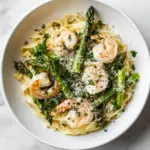
Herb Oil
When I first discovered the magic of Herb Oil, it was a game changer in my kitchen. I was experimenting with different flavors and textures, trying to elevate my simple dishes, when I stumbled upon this vibrant green concoction. The idea of infusing the essence of fresh herbs into oil not only intrigued me but also opened up a whole new world of culinary possibilities. Imagine drizzling this aromatic oil on roasted vegetables, dipping fresh bread into it, or using it as a dressing for salads. It’s like capturing the essence of a garden, and I knew I had to share my newfound passion with you!
As the seasons change, so do the herbs available to us. This recipe is perfect to make year-round, allowing you to experiment with whatever fresh herbs are on hand. Whether you’re using fragrant parsley, crisp cilantro, or aromatic basil, the result is always delightful. Making Herb Oil has become a ritual for me—one that fills my kitchen with incredible scents and makes my dishes pop with flavor.
What I love most about Herb Oil is its versatility. You can control the intensity of the flavor by adjusting the type and amount of herbs you use. It’s also a fantastic way to use up leftover herbs that might otherwise go to waste. Plus, it’s incredibly easy to make! All you need is a bit of time, and the result is a beautiful, homemade oil that you’ll want to share with everyone.
So let’s dive into this flavorful adventure together! I promise you won’t regret it.
Recipe Snapshot
4 hr 1 mins
240 mins
1 mins
Hard
120 kcal
0 g
Keto, Paleo, Whole30
14 g
Wooden Spoon, Mixing Bowl, Blender, Large Pot
The Beauty of This Herb Oil
Enhances Any Dish
One of the best parts about Herb Oil is its ability to enhance virtually any dish. Whether you’re drizzling it over grilled vegetables, using it as a marinade, or adding it to a fresh salad, it brings a burst of flavor that elevates the entire meal.
Perfect for Gift Giving
Homemade Herb Oil makes for a thoughtful and personal gift! Bottling this bright green oil in a decorative jar, perhaps with a sprig of the herbs used, is a beautiful way to show you care. Friends and family will appreciate the effort, and you’ll love sharing your culinary creations.
Preserves Fresh Herbs
This recipe is a brilliant way to preserve fresh herbs that might be nearing their expiration. Instead of letting them wilt in the fridge, transforming them into an infused oil can extend their life and flavor, allowing you to enjoy them long after they’ve been harvested.
Customizable to Your Taste
With Herb Oil, you have full control over the flavors. Experiment with different combinations of herbs to create your signature blend. You might find that a mix of tarragon, chives, and mint creates a refreshing oil perfect for summer dishes!
Easy to Make
Don’t worry if you’re short on cooking skills; making Herb Oil is quick and simple. With just a few easy steps, you’ll have a vibrant oil ready in no time. It’s a perfect beginner recipe that delivers big on flavor.
Great for Infusions
If you love experimenting with flavors, Herb Oil serves as a wonderful base for further infusions. You can add spices, garlic, or even citrus zest to create an aromatic blend that truly reflects your taste preferences.
What to Gather for Herb Oil
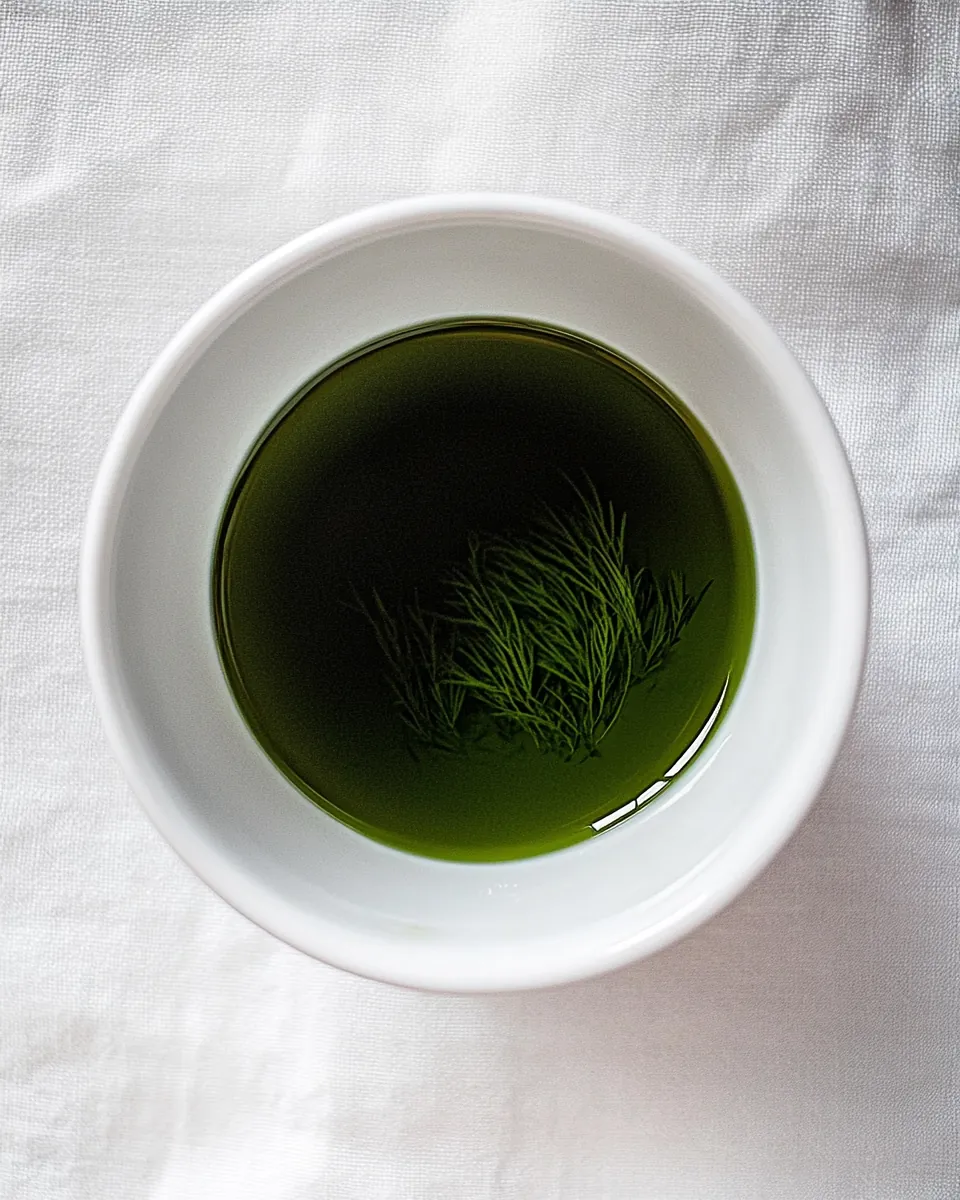
Gathering the right ingredients for Herb Oil is essential to achieving that vibrant flavor. Each ingredient plays a pivotal role in the final product, and understanding their purpose makes the process all the more rewarding. The key players in this recipe are the fresh herbs and high-quality olive oil. Together, they create a harmonious blend that captures the essence of freshness and enhances your dishes.
- Slightly Packed Soft Herbs: You can use a variety of herbs for this recipe. Some favorites include parsley, cilantro, basil, dill, lovage, chives, mint, and tarragon. These herbs contribute fresh, vibrant flavors that infuse beautifully into the oil.
- Good Olive Oil: A high-quality olive oil (or neutral oil like sunflower) is crucial in making Herb Oil. The oil serves as the base, carrying the flavors of the herbs. Choosing a reputable brand ensures a delicious outcome.
- Salt: While salt isn’t directly infused into the oil, it’s used in the blanching process of the herbs. It helps maintain the bright green color and enhances the overall flavor of the finished oil.
The Process for Making Herb Oil
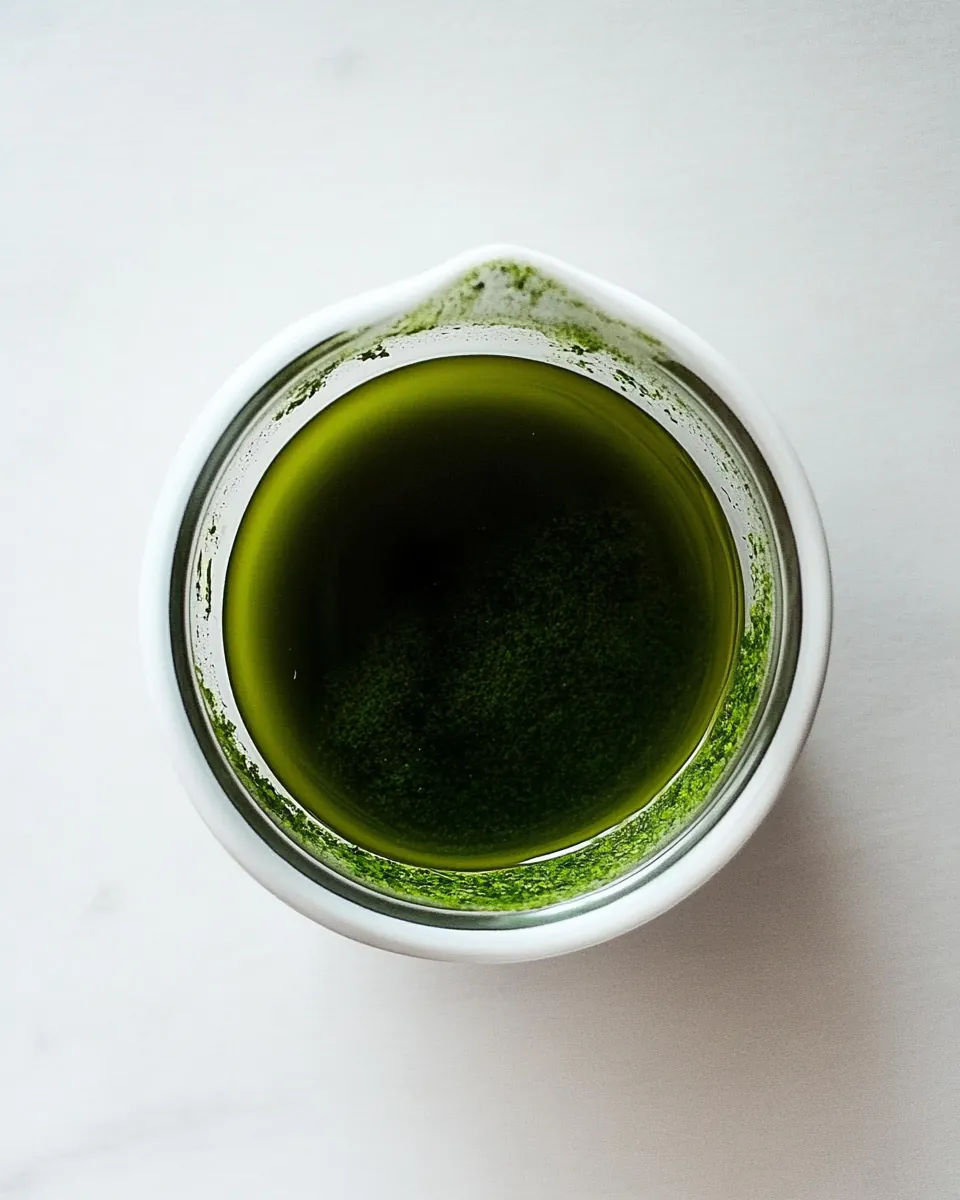
Making Herb Oil is a straightforward yet rewarding process. Follow these simple steps and enjoy the aromatic results. Remember, you’ll want to keep an eye on the herbs as they cook to ensure the best flavor!
- Start by bringing a pot of salted water to a boil. This is essential for blanching the herbs, which keeps their vibrant green color. It’s also a great way to infuse the water with a bit of flavor.
- Prepare an ice bath in a bowl filled with cold water and ice cubes. Once the water is boiling, you’ll be ready to quickly transfer the herbs to this ice bath to stop the cooking process.
- Once the water is boiling, add your chosen herbs (like parsley and basil) and cook them for about 10 to 15 seconds. You’re aiming for a bright green color; don’t overcook them, or you’ll lose their vibrant flavor!
- Using a slotted spoon, transfer the herbs to the ice bath immediately. Let them sit for about 5 minutes to cool completely. This step is crucial as it locks in the bright green color and fresh flavor.
- After they’ve cooled down, take the herbs out and transfer them to a dry tea towel. Wrap the herbs and pat them dry gently. It’s important to get rid of excess moisture since this could affect the oil’s texture later.
- Now, place the dried herbs into a high-speed blender and add about 1/2 to 3/4 cup of good olive oil. The oil will liquefy the herbs, creating a beautiful blend. If the mixture seems too thick, you can add a bit more oil to help with blending.
- Blend the mixture until it’s as smooth as possible. You may need to stop and scrape down the sides to ensure everything is well incorporated. This will result in a rich green paste.
- Next, line a sieve with cheesecloth or a coffee filter (I recommend using a Chemex filter for this step). Carefully pour the blended herbs and oil mixture into the sieve. This is where the magic happens as the oil passes through, leaving behind any solid bits of herbs.
- Let the oil sit in the sieve for a few hours, stirring occasionally. It’s important not to press down on the mixture as this can lead to a cloudy oil.
- Once the oil has dripped through completely, transfer it into a clean bottle. Remember to store your Herb Oil in the refrigerator. It typically lasts for up to a week but can sometimes last a bit longer if you keep an eye on it!
Things Worth Knowing
- Watch the Timing: Herbs blanched too long can lose their flavor. Pay attention to the color changes during cooking.
- Choose Quality Oil: The type of oil you use can greatly affect the flavor profile of your Herb Oil. Opt for a high-quality oil that you enjoy.
- Experiment with Herbs: Don’t hesitate to mix different herbs to create unique flavor profiles. The options are endless!
- Storage Matters: Always store your Herb Oil in a cool, dark place. Refrigeration helps prolong its shelf life.
Make It Your Own
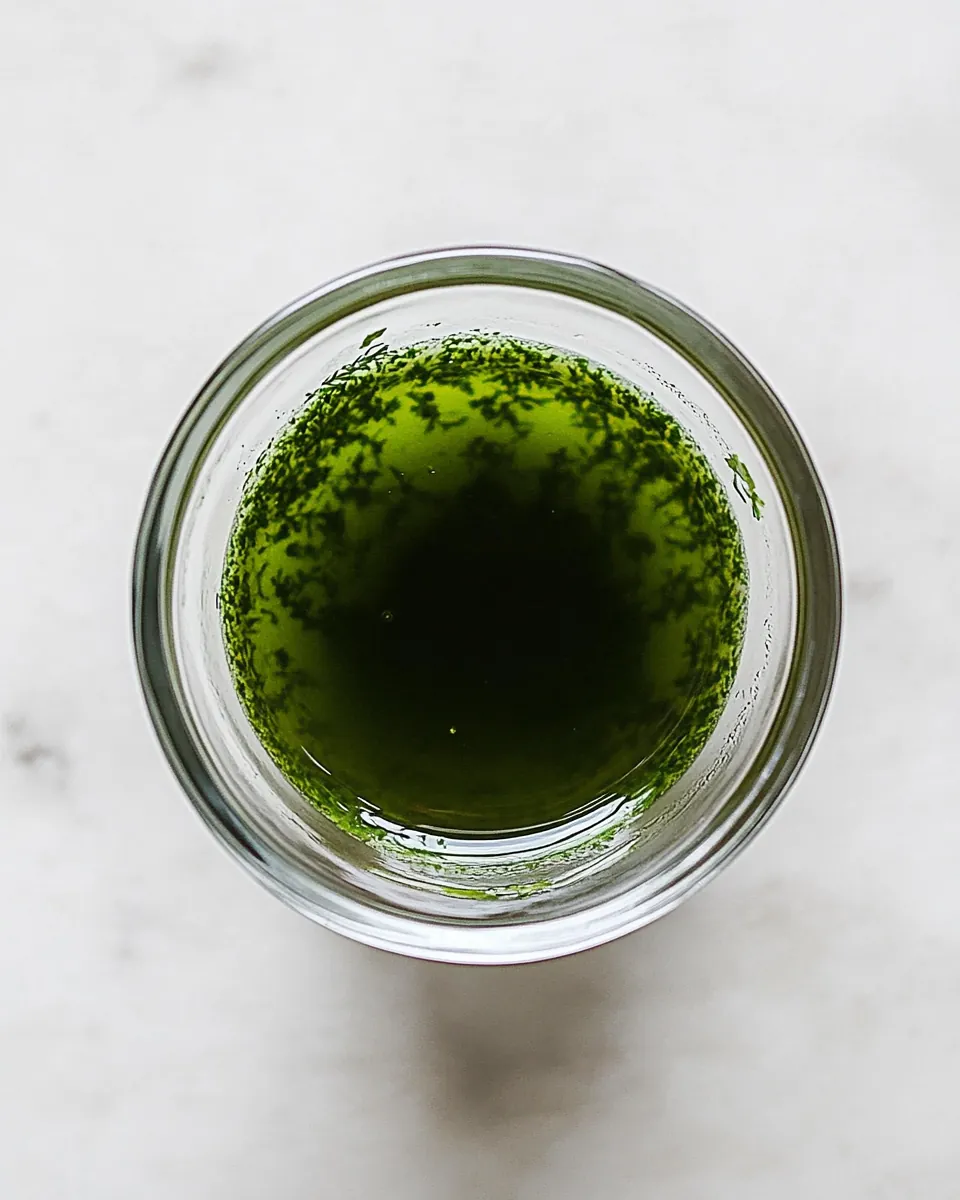
Creating Herb Oil is a fantastic opportunity to express your culinary creativity. Here are some tips to make this recipe uniquely yours:
- Storage: Store your Herb Oil in a glass bottle with a tight lid. Make sure to label it with the date so you can keep track of its freshness.
- Freezing: You can freeze Herb Oil in ice cube trays for easy portioning. Just pop out a cube whenever you need some flavor boost!
- Pairing: This oil is amazing drizzled over grilled vegetables or used as a dipping oil for bread. It can elevate simple dishes to gourmet levels.
- Infuse More Flavors: Consider adding spices or citrus zest when blending to create a more complex flavor profile.
- Use Fresh Herbs: Fresh herbs yield the best results. If your herbs start to wilt, blend them right away for a fresh batch of oil.
- Make it a Gift: Consider bottling your Herb Oil as a gift for friends or family, especially during the holidays. It’s both thoughtful and delicious!
Perfect Pairings for Herb Oil
Herb Oil is incredibly versatile, making it the perfect companion for a variety of dishes. Here are some ideas for serving:
- Drizzle Over Salads: Use Herb Oil as a dressing for mixed greens or grain salads. It adds a lovely depth of flavor.
- Pair with Grilled Foods: Brush this oil over grilled chicken or vegetables for an extra flavor kick that enhances the smoky notes.
- Serve with Bread: Offer Herb Oil as a dip for crusty bread at your next dinner party. It’s a delightful starter!
- Enhance Pasta Dishes: A splash of Herb Oil can elevate a simple pasta dish, making it feel more gourmet.
- Perfect for Marinades: Use Herb Oil in marinades for meats or tofu to infuse them with flavor ahead of cooking.
- Ideal for Roasted Vegetables: Drizzle over vegetables before roasting to impart a delicious herbaceous flavor.
FAQ
Conclusion
Homemade Herb Oil is a simple yet transformative recipe that can elevate your everyday cooking. With fresh herbs and high-quality oil, you can create a flavorful addition to your meals that’s both vibrant and versatile. I encourage you to try making Herb Oil for yourself and explore the endless culinary possibilities it brings to your kitchen. Once you do, I’m sure you’ll want to keep a bottle handy at all times!
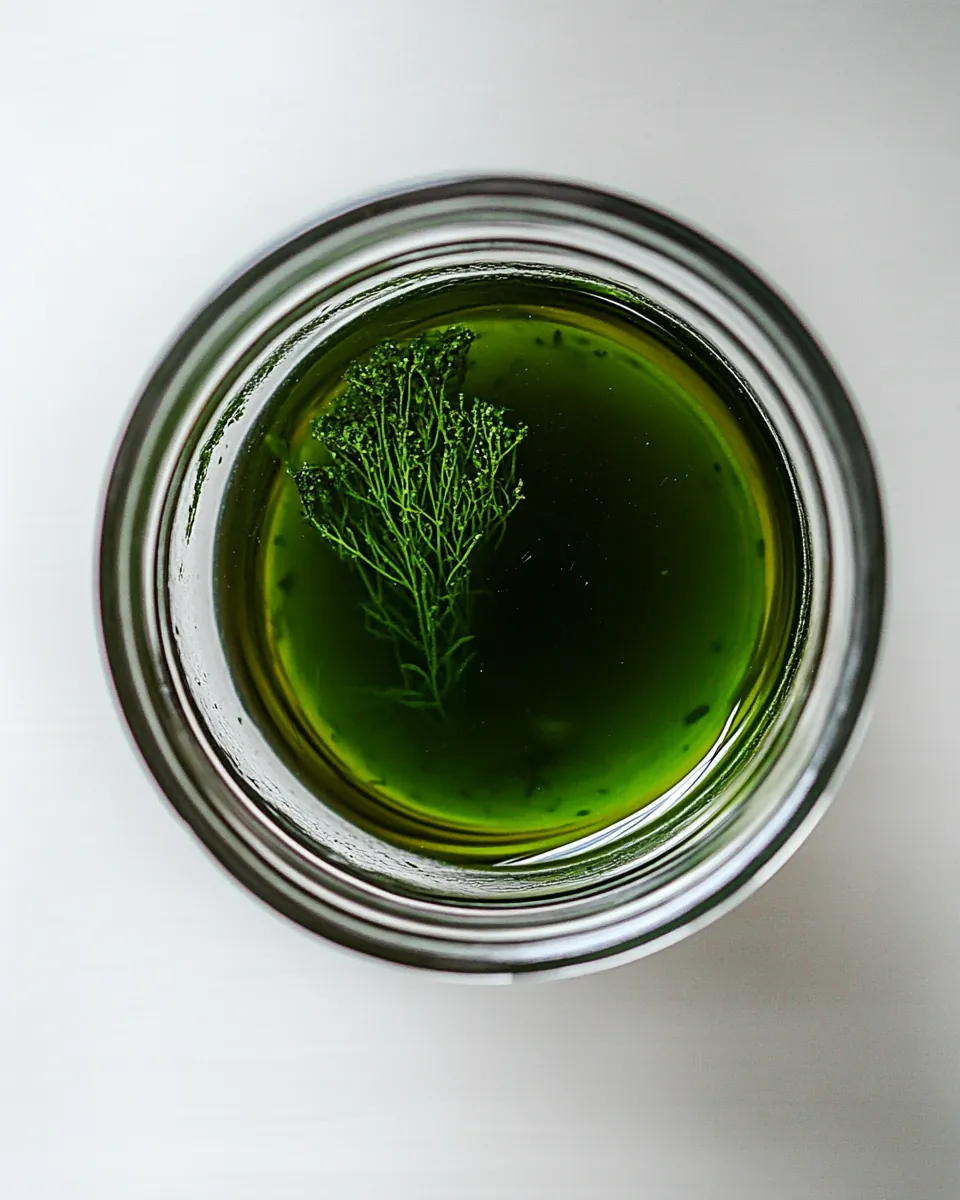
Herb Oil
Ingredients
Equipment
Method
- Bring a pot of salted water to a boil and prepare an ice bath.
- Once the water is boiling, add the herbs and cook for about 10 to 15 seconds; just until the herbs/stems are bright green.
- Using a slotted spoon, quickly transfer to the ice bath and let sit for 5 minutes to completely cool.
- Transfer the herbs to a dry tea towel and wrap/dry. The goal is to get as much moisture out of the herbs.
- Transfer the herbs to a high-speed blender and add the oil. Puree until as smooth as can be. This can work with a regular blender, but it’s not quite as effective.
- If the mixture feels too thick to blend, add a bit more oil.
- Line a sieve with cheesecloth (layered three times) or a coffee filter. Pour the oil into the sieve and let sit for a few hours, stirring occasionally. Do not press the oil through.
- Once done, transfer to a bottle and store in the refrigerator for up to a week (sometimes a little longer- keep an eye on it!).
Notes
- Watch the timing: Herbs blanch very quickly. Over blanching results in flavor loss.
- Use quality oil: A good olive oil enhances the flavor of the herbs.
- Experiment: Feel free to combine different herbs for unique blends!
- Storage: Keep this oil in a cool, dark place and refrigerate.
- Gift it: Bottle Herb Oil as a thoughtful gift for friends and family.